Optimal Fertilizer for Growing Black bat flower: What You Need to Know
1
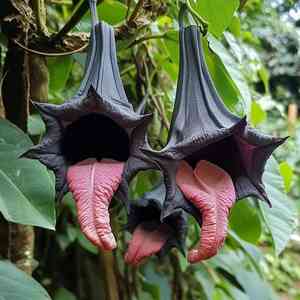
Black bat flowers thrive with organic nutrients during their flowering period.
2
Maintain a soil pH of 6.0 to 7.0 for Black bat flowers to ensure peak nutrient uptake.
3
Apply fertilizer to your Black bat flower in summer for superior development.
Grasping the Nutritional Requirements of Black bat flower
Which Nutrients Are Indispensable?
The Black bat flower flourishes with a balanced intake of nitrogen (N), phosphorus (P), and potassium (K). These primary nutrients are vital for its vigorous development and impressive blossoms. Nitrogen promotes abundant foliage, phosphorus aids root growth and flower production, while potassium assists in overall plant health and disease resistance. Trace elements like magnesium, calcium, and iron are also essential for maintaining the plantâs general well-being.
How Nutritional Needs Shift Seasonally
Just as our dietary needs vary with the seasons, so do the nutrient demands of the Black bat flower. During its active growth phase in warmer months, the plant requires more nitrogen to support its lush leaves and stems. As the plant moves into flowering, phosphorus becomes crucial for producing robust blooms. During off-seasons, such as winter, reduced nutrient intake is necessary as the plant enters a dormant state.
Indicators of Nutrient Deficiency in Black bat flower
Detecting nutrient deficiencies in your Black bat flower early can prevent significant health problems. Yellowing leaves often signal a lack of nitrogen, while poor flowering might suggest insufficient phosphorus. Wilting or discolored leaves could indicate inadequate potassium. Observing these signs and providing appropriate supplements can help maintain your plantâs vitality.
Selecting the Appropriate Fertilizer for Black bat flower
Fertilizer Types Suitable for Black bat flower
Choosing the correct fertilizer is paramount for the health of your Black bat flower. Balanced fertilizers with an equal N-P-K ratio, such as 10-10-10, offer a comprehensive nutrient supply. Slow-release fertilizers are excellent as they provide a gradual nutrient delivery, preventing sudden nutrient surges. Liquid fertilizers, easily absorbed, can be mixed with water for consistent feeding.
Organic Versus Synthetic Fertilizers
The choice between organic and synthetic fertilizers largely depends on your gardening philosophy and the specific requirements of the Black bat flower. Organic fertilizers, like compost or worm castings, are environmentally friendly and enhance soil structure. Synthetic fertilizers offer precision and are readily available but can lead to salt accumulation in the soil. Often, a combination of both is beneficial for optimal outcomes.
Application Frequency and Dosage Guidelines
For the Black bat flower, applying fertilizer every 4-6 weeks during the active growing period is generally advised. In summer, use a balanced formula according to package directionsâtypically about 1 tablespoon per 3.8 liters (1 gallon) of water. Reduce frequency during the off-season to avoid nutrient excess.
A Step-by-Step Guide to Fertilizing Black bat flower
Preparing the Plant and Growing Medium
Before fertilizing, ensure the soil is moist, as dry roots can be harmed by fertilizer salts. Water the plant thoroughly the day prior. Itâs also vital to check the soil pH, keeping it between 6.0 and 7.0 for optimal nutrient absorption.
Application Methods
Begin by diluting the fertilizer as per the instructions. Apply the solution uniformly around the plant's base, avoiding direct contact with the foliage to prevent burns. For slow-release fertilizers, gently incorporate them into the top 2-3 centimeters (about 1 inch) of soil. Always water the plant afterward to help the fertilizer reach the root zone.
Post-Fertilization Care
After fertilizing, observe the plant for any indications of over-fertilization, such as leaf scorching or yellowing. Regularly check soil moisture and adjust watering practices to ensure the plant isnât waterlogged, as this can impede nutrient uptake. Pruning any dead or damaged leaves also helps the plant direct its energy towards new growth.
Common Errors to Avoid When Fertilizing Black bat flower
Risks of Excessive Fertilization
Over-fertilizing can cause salt buildup in the soil, leading to root burn and hindering the plantâs ability to absorb water. It's crucial to adhere to recommended dosages and monitor the plantâs reaction, reducing application if necessary.
Choosing the Incorrect Time to Fertilize
Timing is paramount. Fertilizing during the dormancy period or off-season can shock the plant and induce stress. Summer is the ideal time to fertilize Black bat flowers, aligning with their natural growth cycle.
Disregarding Soil pH and Moisture Levels
Ignoring the soil pH can prevent nutrient absorption, regardless of fertilizer quality. Regularly test soil pH and maintain it between 6.0 and 7.0. Similarly, moisture levels are criticalâavoid waterlogged soil, as it can suffocate roots and impede nutrient uptake.



