Optimal Fertilizer for Growing Common lilac: What You Need to Know
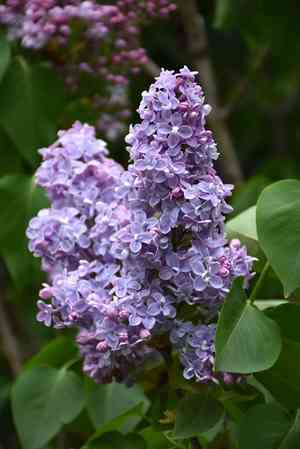
1
Common lilac thrives in somewhat alkaline soil, ideally with a pH ranging from 6.5 to 7.0.
2
Apply fertilizer to your Common lilac in early spring, prior to the emergence of new foliage, for optimal nutrient uptake.
3
Adequate watering and mulching can assist in preserving soil moisture and decreasing the necessity for frequent feeding.
Understanding the Nutritional Needs of Common lilac
Essential Nutrients for Healthy Growth
To cultivate a thriving Common lilac, it's essential to understand its nutrient requirements. This plant thrives on a well-balanced diet of macronutrients and micronutrients. Nitrogen (N) is vital for leafy growth, phosphorus (P) supports strong root development and blooming, while potassium (K) enhances overall plant health and disease resistance. Additionally, micronutrients like iron, manganese, and magnesium are crucial for avoiding deficiencies and promoting vibrant blooms. Understanding these basics ensures your Common lilac gets the nourishment it needs to flourish.
Signs of Nutritional Deficiencies in Common lilac
Detecting nutrient deficiencies in your Common lilac early can save your plant from severe damage. Yellowing leaves often indicate a lack of nitrogen, while poor blooming and weak root growth can be signs of phosphorus deficiency. If the edges of the leaves appear scorched or brown, it's likely due to a potassium deficiency. Additionally, leaf discoloration, stunted growth, or poor flowering can be due to micronutrient inadequacies. By regularly monitoring your plant for these symptoms, you can adjust your fertilization strategy accordingly and ensure your Common lilac grows healthily and blooms beautifully.
Choosing the Right Fertilizer for Common lilac
Types of Fertilizers: Which One Is Best?
Selecting the right fertilizer for your Common lilac can significantly impact its growth and blooming. Fertilizers come in various forms, including granular, liquid, slow-release, and water-soluble options. Granular fertilizers are easy to apply and provide a steady release of nutrients, while liquid fertilizers offer quick nutrient uptake. Slow-release fertilizers are ideal for long-term feeding, and water-soluble fertilizers are perfect for immediate results. The choice depends on your plantâs immediate needs and your gardening preferences.
Organic vs. Chemical Fertilizers: Pros and Cons
When choosing between organic and chemical fertilizers, it's essential to weigh their pros and cons. Organic fertilizers, derived from natural sources like compost and manure, enrich the soil structure, support microbial activity, and provide slow, steady nutrient release. However, they can be less nutrient-dense and sometimes slower to show results. Chemical fertilizers, on the other hand, offer quick, precise nutrient delivery and can be more cost-effective. The downside is their potential to cause nutrient runoff, soil degradation, and harm to beneficial organisms if overused. Your choice should align with your gardening goals and practices.
How and When to Fertilize Common lilac
Best Time of Year for Fertilization
Common lilac benefits most from fertilization in the early spring, just as new growth begins. This timing ensures that the plant has access to essential nutrients during its most active period of growth. Avoid fertilizing in late summer or fall, as this can encourage new growth that may not harden off before winter, leading to damage from frost. Consistent early spring fertilization supports vigorous blooming and healthy development year after year.
Step-by-Step Guide to Fertilizing Common lilac
Fertilizing your Common lilac is a straightforward process when done correctly. Follow these steps for optimal results:Water the plant thoroughly a day before applying fertilizer to prevent root burn.Choose a balanced fertilizer with an N-P-K ratio of around 10-10-10.Spread the fertilizer evenly around the base of the plant, extending out to the drip line.Lightly rake the fertilizer into the soil to ensure good contact.Water the area again to help the fertilizer penetrate the soil. This method provides your Common lilac with the nutrients it needs for robust growth and beautiful blooms.
Maintaining Soil Health for Common lilac
Adjusting Soil pH for Optimal Absorption
Maintaining the correct soil pH is crucial for nutrient absorption in Common lilac. This plant prefers slightly alkaline soil, with a pH between 6.5 and 7.0. If your soil is too acidic, you can raise the pH by adding garden lime or wood ash. Conversely, if the soil is too alkaline, incorporating sulfur or composted pine needles can help lower the pH. Regular soil testing will help you keep the pH levels in check, ensuring your plant can absorb the nutrients it needs effectively.
The Importance of Aerating Soil Around Common lilac
Aerating the soil around your Common lilac is essential for maintaining healthy roots and aiding nutrient uptake. Compacted soil can restrict root growth and reduce oxygen availability. To aerate the soil, use a garden fork or aerator tool to create small holes around the base of the plant. This practice improves water infiltration, reduces compaction, and enhances nutrient absorption. Regular aeration, combined with mulching and proper watering, keeps the soil environment healthy and conducive to robust lilac growth.



