Optimal Fertilizer for Growing Late Lilac: What You Need to Know
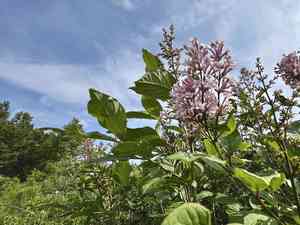
1
Late Lilac thrives with a balanced plant food containing equivalent amounts of nitrogen, phosphorus, and potassium.
2
Ensure to irrigate the plant right after fertilizing to aid nutrient absorption by the roots.
3
The best period to feed Late Lilac is in spring, promoting its abundant flowering season.
Grasping the Nutritional Requirements of Late Lilac
Crucial Nutrients for Robust Development
For the Late Lilac's vibrant flowers, providing appropriate nutrients is essential. Key elements include nitrogen, which promotes foliage growth; phosphorus, supporting strong root formation and flower production; and potassium, aiding overall plant health and disease resistance. Supplying your Late Lilac with a balanced amount of these nutrients will ensure its optimal development.
Soil Acidity and Nutrient Uptake
The soil's pH level significantly impacts nutrient absorption for Late Lilac. Ideally, the soil should be slightly acidic to neutral (pH 6.0 to 7.0). If the pH deviates from this range, the plant may struggle to absorb vital nutrients even if present. Regular soil testing and pH adjustments can help maintain a healthy environment for nutrient assimilation.
Selecting the Appropriate Fertilizer for Late Lilac
Man-made vs. Natural Fertilizers
When fertilizing your Late Lilac, you have two main choices: synthetic and organic fertilizers. Synthetic fertilizers offer quick nutrient release and are easy to measure and apply. However, excessive application can sometimes cause nutrient burn. Organic fertilizers, like compost or manure, release nutrients more slowly and enhance soil structure over time. They are generally safer for both the plant and the environment. Your gardening preferences and the plant's needs will determine your choice.
Specific Fertilizers for Blooming Shrubs
For Late Lilac, a balanced fertilizer (such as 10-10-10, representing the percentage of nitrogen, phosphorus, and potassium) is perfect. This type of fertilizer supports both growth and flowering. Additionally, fertilizers specifically formulated for flowering shrubs can provide the extra boost needed for abundant blooms. Look for fertilizers labeled for shrubs and perennials to ensure you're supplying the correct nutrients.
Optimal Fertilization Schedule for Late Lilac
Best Times to Fertilize Throughout the Year
The ideal time to fertilize Late Lilac is in early spring, as new growth commences. This timing ensures the plant has the necessary nutrients for the upcoming blooming season. A second, lighter application can be made in mid-summer, especially if the plant shows signs of nutrient deficiency. Avoid fertilizing in late fall, as this can stimulate new growth that may not harden off before winter.
Indications Your Late Lilac Requires Fertilizing
Signs that your Late Lilac may need nutrients include stunted growth, pale or yellowing leaves, and reduced flowering. Observing these indicators in your plant can help you adjust your fertilizing routine. Regularly monitoring your plant's health can help you determine if an additional feeding is necessary.
Proper Fertilizer Application for Late Lilac
Step-by-Step Fertilizing Method
Follow these steps to fertilize your Late Lilac: 1. Measure the correct amount of fertilizer according to package instructions. 2. Distribute the fertilizer evenly around the plant's base, extending to the drip line (the outer edge of the plant's canopy). 3. Gently work the fertilizer into the top few centimeters (inches) of soil. 4. Water thoroughly immediately after application to help dissolve the fertilizer and deliver nutrients to the roots.
Safety Measures and Best Practices
When applying fertilizer, it's crucial to follow safety guidelines to protect both the plant and yourself. Wear gloves and eye protection to avoid contact with the fertilizer. Avoid over-fertilizing, as too much can lead to nutrient burn and damage the plant. Always read and adhere to the manufacturer's instructions on the fertilizer packaging.



