Optimal Fertilizer for Growing Common comfrey: What You Need to Know
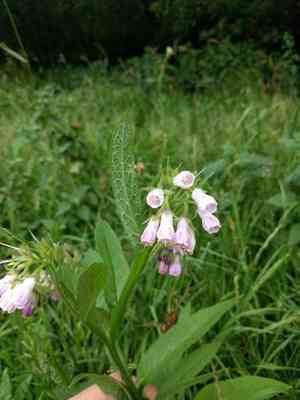
1
Spring offers the best time to feed your Common comfrey for strong development.
2
Common comfrey thrives with a balanced NPK blend like 10-10-10 or one slightly higher in nitrogen.
3
Observe yellowing foliage and slowed development as indicators of nutrient lack in your Common comfrey.
Grasping Common comfrey's Nutritional Requirements
Essential Nutrients for Common comfrey Vitality
To cultivate a flourishing Common comfrey specimen, it's vital to comprehend the primary nutrients necessary for its well-being. Common comfrey thrives on a plentiful supply of nitrogen, phosphorus, and potassium. Nitrogen is crucial for leaf development, phosphorus aids in root formation and bloom production, and potassium assists with overall plant health and disease resistance. Furthermore, Common comfrey benefits from trace elements like calcium, magnesium, and iron, which contribute to cell wall integrity, chlorophyll synthesis, and general vigor.
Indicators of Nutrient Deficiency in Common comfrey
Identifying nutrient deficiencies early can prevent your Common comfrey from stress and stunted development. Key indicators include yellowing or browning of foliage, often signaling a lack of nitrogen. Restricted growth and small or malformed leaves can point to phosphorus deficiency, while the edges of older leaves turning brown might suggest a potassium shortage. Iron deficiencies typically manifest as chlorosis, where young leaves become yellow between their veins. Promptly addressing these symptoms by adjusting fertilization can help restore your plant's health.
Selecting the Appropriate Fertilizer for Common comfrey
Organic vs. Synthetic Fertilizers
Regarding fertilizing Common comfrey, both organic and synthetic fertilizers can be effective. Organic fertilizers, such as compost, worm castings, and manure, release nutrients gradually, enhancing soil structure and microbial activity over time. Conversely, synthetic fertilizers offer a rapid, precise nutrient delivery, which may be necessary if your plant exhibits severe deficiency symptoms. However, they can sometimes cause nutrient burn if over-applied or lead to nutrient imbalances in the soil. Considering your plant's immediate needs and long-term soil health is crucial in deciding which to use.
Recommended NPK Ratio for Common comfrey
For Common comfrey, a balanced NPK ratio of 10-10-10 is generally advised, as it provides an even distribution of vital nutrients. Alternatively, a fertilizer slightly richer in nitrogen (e.g., 12-10-10) can also be advantageous, particularly in the initial growth phases to encourage lush, green foliage. Ensure you're not utilizing an excessively nitrogen-heavy formula, as this can hinder root and flower development. Always adhere to the instructions on the fertilizer packaging and adjust based on your plant's observed requirements.
Optimal Time to Fertilize Common comfrey
Seasonal Fertilization Schedules
Spring is the ideal period to fertilize your Common comfrey. As the plants emerge from their winter dormancy, a nutrient boost supports vigorous new growth. A second, smaller application in mid-summer can sustain blooming and foliage health. During autumn, refrain from fertilizing as the plant prepares for dormancy, and excessive nutrients may stimulate undesirable late growth vulnerable to winter frost.
Understanding the Growth Cycle of Common comfrey
Common comfrey possesses a distinct growth cycle that includes a phase of intense growth in early spring, peak flowering from late spring to early summer, and slower growth as autumn approaches. Comprehending this cycle can assist in timing your fertilization efforts effectively. By aligning your fertilizer application with these growth stages, you ensure the plant receives the necessary nutrients precisely when it needs them most, supporting robust growth and flowering.
How to Apply Fertilizer to Common comfrey
Step-by-Step Fertilization Method
Applying fertilizer to your Common comfrey involves straightforward yet critical steps to ensure nutrient absorption and prevent plant harm:Select the Right Moment:Fertilize in early spring, just as the plant begins to show new growth.Prepare the Soil:Loosen the top 2-3 cm (1 inch) of soil around the plant's base to promote fertilizer uptake.Measure the Fertilizer:Follow package directions for the correct quantity. Typically, 60-90 grams (2-3 ounces) per square meter (10 square feet) is sufficient for granular fertilizers.Distribute Evenly:Scatter the fertilizer around the plant uniformly, avoiding direct contact with the stems and leaves.Water Thoroughly:Water the area well to help dissolve and disperse the nutrients into the soil.
Safety Precautions When Fertilizing Common comfrey
Safety is paramount when applying fertilizers. Wear gloves to shield your hands from potential irritants. If using synthetic fertilizers, a dust mask can prevent inhalation of fine particles. Store all fertilizers in a cool, dry location away from children and pets. Avoid applying fertilizers on windy days to prevent drift onto other plants or areas. Be mindful of runoff, ensuring fertilizers do not contaminate nearby water sources. Adhering to these precautions safeguards both your well-being and the environment.



