Optimal Fertilizer for Growing Bird of paradise: What You Need to Know
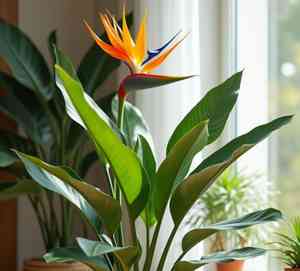
1
Bird of paradise plants flourish with a balanced feed, having equal nitrogen, phosphorus, and potassium.
2
Always irrigate your Bird of paradise prior to fertilizing to avoid root damage.
3
Feed your Bird of paradise bi-weekly throughout its primary growth period, usually in summer.
Understanding Nutrient Requirements for Bird of Paradise
The Significance of Nutrients for Enhanced Growth and Blooms
Nutrient application is vital for the health and development of your Bird of Paradise. Appropriate nourishment boosts the vivid foliage and striking blossoms this plant is known for. Like all plants, the Bird of Paradise needs particular nutrients to flourish – primarily nitrogen (N) for leaf development, phosphorus (P) for root and flower formation, and potassium (K) for overall plant vitality. A well-fed Bird of Paradise will display lush, green leaves and abundant, colorful flowers, greatly increasing its decorative appeal.
Detecting Indicators of Nutrient Deficiency
Early recognition of nutrient deficiency symptoms can prevent significant stress for your Bird of Paradise. Yellowing foliage, stunted development, and poor blooming are key signs that your plant may lack essential nutrients. Leaf discoloration often points to specific deficiencies; for instance, yellow leaves with green veins suggest iron deficiency, while purplish stems can indicate a phosphorus shortage. Observing these signs helps you modify your feeding regimen accordingly.
Selecting the Appropriate Fertilizer for Bird of Paradise
Comparing Natural Versus Synthetic Fertilizers
When choosing a fertilizer for your Bird of Paradise, you have two primary choices: organic or synthetic. Organic fertilizers, such as compost or aged manure, improve soil structure and offer a gradual release of nutrients. However, they might not yield immediate results. Conversely, synthetic fertilizers provide a quicker nutrient release, making them suitable if you observe deficiency symptoms. Yet, they can sometimes lead to salt accumulation in the soil if overused. A balanced approach using both types often produces the best outcomes.
Key Nutrients: N-P-K Ratio Explained
Understanding the N-P-K ratio on fertilizer packaging is crucial for selecting the correct product. The Bird of Paradise benefits from a balanced fertilizer with an equal proportion of nitrogen (N), phosphorus (P), and potassium (K) – such as a 10-10-10 blend. This balanced approach supports all aspects of the plant's well-being – from vibrant leaves to robust root and flower development. Checking the N-P-K ratio ensures your plant receives the customized nutrients it requires throughout its growth cycle.
How to Fertilize Bird of Paradise: A Step-by-Step Guide
Preparing the Plant and Soil for Nutrient Application
Before beginning the fertilization process, ensure your Bird of Paradise is adequately watered. Pre-watering helps prevent root burn by ensuring roots are hydrated and can absorb nutrients effectively. Additionally, try loosening the top layer of soil to allow the fertilizer to reach the roots more efficiently.
Application Methods and Tips for Optimal Results
For optimal results, follow these application methods: distribute the fertilizer evenly around the plant's base, avoiding direct contact with the stems. Use a rake or your hands to gently mix the fertilizer into the top 2-3 inches (5-7.5 cm) of soil. After application, water the plant thoroughly to help the nutrients penetrate the root zone.
How Frequently Should You Fertilize?
During the active growing season in summer, fertilize your Bird of Paradise every two weeks. This frequency ensures a consistent supply of nutrients to support its vigorous growth and blooming. During the dormant period, reduce the frequency to once a month or cease fertilization entirely, depending on the plant’s requirements and any regional environmental conditions.
Common Errors When Fertilizing Bird of Paradise
Excessive Fertilization: Indicators and Solutions
It's easy to assume that more fertilizer will lead to faster growth, but over-fertilization can harm your Bird of Paradise. Common signs of over-fertilizing include yellowing leaves and scorched leaf tips. To remedy this, decrease the frequency of fertilization and flush the soil by watering deeply to help remove surplus salts.
Using Inappropriate Fertilizer Varieties
Employing the wrong type of fertilizer can also hinder the plant's development. Avoid high-nitrogen fertilizers intended for lawns, as they may cause excessive leaf growth at the expense of flowers. Stick to a balanced or bloom-focused fertilizer to ensure your Bird of Paradise receives the correct nutrients.
Monitoring Bird of Paradise After Fertilization
Observing Plant Response and Adjusting Care
After fertilizing, observe your Bird of Paradise for changes in growth and appearance. If the plant isn't responding well, consider modifying the type or frequency of fertilization. Look for signs like improved leaf color, increased flowering, and overall vigorous growth to assess success.
Ensuring Sufficient Watering and Light Post-Fertilization
To support the newly added nutrients, ensure your Bird of Paradise receives adequate water and light. Watering should be consistent but not excessive, and the plant should be placed in a location where it receives at least 4-6 hours of sunlight daily. Proper aftercare will help your plant utilize the nutrients efficiently and thrive.



