Optimal Fertilizer for Growing White meadowsweet: What You Need to Know
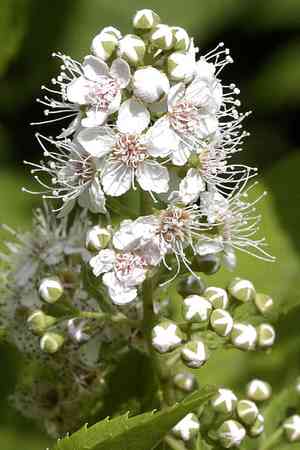
1
Periodically check the soil's pH level to optimize nutrient absorption for White meadowsweet.
2
White meadowsweet flourishes with an even 10-10-10 N-P-K nutrient blend for best flowering.
3
Fertilize White meadowsweet in the spring for robust development and abundant blossoms.
Grasping Fertilization Requirements for White meadowsweet
The Function of Nutrients in Aiding Development
Fertilizers are vital for supplying crucial nutrients that promote the vigorous development of White meadowsweet. These elements, including nitrogen, phosphorus, and potassium, aid in fostering robust roots, vibrant foliage, and abundant blossoms. By enriching the soil with suitable fertilizers, you guarantee your White meadowsweet obtains the necessary components for flourishing, particularly in soils lacking nutrients.
Recognizing Nutritional Deficiencies in White meadowsweet
Identifying nutrient deficiencies is essential for maintaining your White meadowsweet's well-being. Yellowing leaves often signal a lack of nitrogen, while pale or small blooms may point to insufficient phosphorus. Curled leaf edges could suggest potassium shortages. Early assessment of these signs allows for prompt and proper fertilization to correct deficiencies, ensuring your plant remains strong and healthy.
Seasonal Nutrient Demands
Spring is the perfect time to begin feeding White meadowsweet as it marks the start of the plant's active growth period. Applying nutrients during spring supports new growth and prepares the plant for the upcoming flowering season. Establishing a consistent feeding regimen during this time is crucial to strengthen the plant's nutritional base, setting the stage for lush growth throughout the year.
Selecting the Appropriate Fertilizer for White meadowsweet
Organic vs. Synthetic Fertilizers: Advantages and Disadvantages
When deciding between organic and synthetic fertilizers, weigh the benefits and drawbacks of each. Organic fertilizers, derived from natural sources, enhance soil quality and deliver slow-release nutrients, which are less prone to washing away. However, they might be pricier and less immediately effective. Conversely, synthetic fertilizers offer precise nutrient compositions and quick results but can cause nutrient runoff and long-term soil degradation. Evaluating your plant's specific needs and environmental concerns will guide your choice.
Recommended Nutrient Blends
For White meadowsweet, balanced nutrient formulations are advised. A 10-10-10 N-P-K ratio ensures the plant receives equal amounts of nitrogen, phosphorus, and potassium. This equilibrium supports overall plant health, encouraging lush leaves, strong root systems, and vivid flowers. Seek out fertilizers with these formulations, designed for flowering shrubs, to guarantee your plant gets the correct blend of nutrients for optimal growth.
Understanding N-P-K Ratios for Peak Flowering
N-P-K ratios on fertilizer packaging indicate the percentages of nitrogen (N), phosphorus (P), and potassium (K). For White meadowsweet, an ideal ratio helps achieve desired growth and blooming. Nitrogen promotes leaf development, phosphorus encourages root and flower formation, and potassium boosts overall plant vitality. Adjusting the ratio based on specific requirements, such as increasing phosphorus to enhance flowering, can improve the plant's performance throughout the growing season.
How to Administer Fertilizer to White meadowsweet
Step-by-Step Guide to Nutrient Application
Applying fertilizer to White meadowsweet involves a few simple steps. First, measure the correct amount of fertilizer according to the product instructions. Distribute the fertilizer evenly around the plant's base, avoiding direct contact with the stem to prevent burning. Gently work the fertilizer into the top 2-3 centimeters (1 inch) of soil and water thoroughly to aid nutrient absorption. Repeat this process according to your feeding schedule, typically every 6-8 weeks during the growing season.
Frequency of Fertilization
White meadowsweet benefits from a consistent fertilization schedule, usually every 6-8 weeks during the active growth period in spring and early summer. Adjusting the frequency to match the plant's growth rate and soil conditions ensures continuous nutrient availability. Be careful not to over-fertilize, as excessive nutrients can lead to nutrient burn and imbalance, negatively impacting plant health.
Common Errors to Avoid in Fertilizing
When fertilizing White meadowsweet, avoiding common errors ensures optimal plant health. Key mistakes include over-fertilizing, which can cause nutrient burn and soil imbalance; under-fertilizing, leading to insufficient nutrient availability; and applying fertilizer too close to the plant stem, which can harm roots. Also, neglecting to water after fertilizing can prevent nutrients from properly reaching the plant roots. Following best practices helps maximize the benefits of your fertilization efforts.



