Optimal Fertilizer for Growing African tulip tree: What You Need to Know
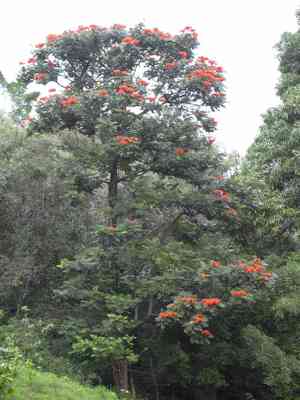
1
Nourish your African tulip tree in early Spring for optimal nutrient uptake.
2
A 10-10-10 NPK balance is good for supporting the tree's general well-being.
3
Natural fertilizers enhance soil quality, whereas synthetic ones offer rapid nutrient delivery.
Understanding African Tulip Tree's Nutritional Requirements
The Significance of Nitrogen, Phosphorus, and Potassium
Nitrogen (N), phosphorus (P), and potassium (K) are the three main nutrients essential for your African tulip tree. Nitrogen promotes abundant, green foliage, phosphorus aids root development and blooming, and potassium enhances the tree's overall resilience. A balanced intake of these nutrients ensures vigorous and healthy growth.
Indicators of Nutrient Deficiencies
Early detection of nutrient deficiencies can prevent irreversible harm to your African tulip tree. Common indicators include yellowing leaves, stunted growth, and less vibrant blooms. Yellowing often points to a nitrogen shortage, while a lack of phosphorus might lead to poor root growth and flowering issues. If your tree shows general weakness or disease susceptibility, a potassium deficiency could be the cause.
Seasonal Nutritional Demands
The African tulip tree's nutrient requirements fluctuate throughout the year. Spring is the ideal time for fertilization as the tree prepares for its most active growth phase. During this period, ensure a well-rounded supply of macro and micronutrients to stimulate robust development. In other seasons, minimal fertilization is needed. Fall requires very little to no fertilization, as excess nutrients can encourage new growth vulnerable to frost damage.
Choosing the Appropriate Fertilizer for Your African Tulip Tree
Fertilizer Types: Advantages and Disadvantages
Selecting the correct fertilizer type can greatly influence your tree's health. Granular fertilizers are easy to apply and release nutrients slowly. Liquid fertilizers offer rapid nutrient absorption but may necessitate more frequent applications. Tree spikes are convenient but can result in uneven nutrient distribution. Evaluating the pros and cons of each type will help you make an informed choice.
Organic vs. Synthetic Fertilizers
Organic fertilizers, such as compost or manure, are excellent for long-term soil health as they improve soil structure and microbial activity. However, they release nutrients gradually. Synthetic fertilizers provide immediate nutrient availability, which can be beneficial during peak growth periods, but overuse can lead to soil degradation. A combination of both often yields the best outcomes.
Interpreting Fertilizer Labels
Understanding fertilizer labels is vital for proper application. These labels typically display the N-P-K ratio, indicating the percentage of nitrogen, phosphorus, and potassium. For instance, a 10-10-10 label means the fertilizer contains 10% of each nutrient. Look for other crucial nutrients like calcium or magnesium and ensure you follow the manufacturer's application rate guidelines.
Applying Fertilizer to Your African Tulip Tree
When and How Often to Fertilize
Spring is the optimal period to fertilize your African tulip tree. Apply a balanced fertilizer at the start of the season to encourage vigorous growth and blooming. Typically, a single application in the spring is sufficient, but for trees in less fertile soil, a mid-summer boost can be beneficial. Avoid fertilizing in late fall to prevent new growth susceptible to winter frost.
Methods of Fertilizer Application
There are several effective ways to fertilize your African tulip tree. Broadcasting involves spreading granular fertilizer evenly around the tree's drip line. Deep root feeding delivers nutrients directly to the root zone using spikes or liquid injections. Another method is foliar feeding, where a liquid fertilizer is sprayed onto the leaves. Each method has distinct advantages, so choose based on your tree's needs and soil conditions.
Monitoring the Tree's Response to Fertilization
After fertilizing, it's crucial to observe your tree's reaction. Look for signs of improved leaf color, increased growth, and more vibrant flowers. Regularly check for any indications of over-fertilization, such as leaf burn or a sudden halt in growth. Adjust your fertilization practices based on these observations to meet your tree's evolving needs.
Common Fertilization Errors to Avoid for African Tulip Trees
Over-Fertilization and Its Repercussions
One of the most significant errors is over-fertilizing, which can be harmful to your African tulip tree. Excessive nutrients can cause root damage, leaf scorch, and make the tree more vulnerable to pests. It's essential to adhere to recommended application rates and avoid the 'more is better' mindset.
Neglecting Soil Analysis
Skipping soil testing can result in incorrect fertilization. Soil tests provide vital information about pH levels and existing nutrient content. Without this data, you might inadvertently add unnecessary nutrients or overlook deficiencies. Annual soil testing ensures you provide your tree with the right nutrients in the correct amounts.



