Optimal Fertilizer for Growing Snow flower: What You Need to Know
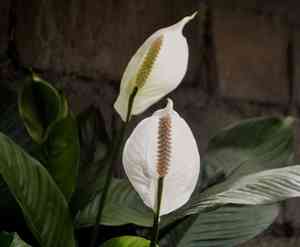
1
Snow flower thrives with a 20-20-20 balanced plant food for peak development.
2
Always moisten your Snow flower's soil prior to fertilizing to prevent root damage.
3
The ideal period to feed your Snow flower is in early summer during its peak activity.
Grasping Snow flower's Nutrient Requirements
The Significance of Nutrients for Snow flower
Similar to all plants, the Snow flower needs various nutrients to flourish. Key elements like nitrogen, phosphorus, and potassium bolster overall plant health, leaf development, and flowering. Nitrogen aids in leafy growth, phosphorus is vital for robust root systems and bloom production, and potassium assists in general plant vitality and disease resistance.
Indicators of Nutrient Deficiencies in Snow flower
Spotting nutrient deficiencies early can prevent plant stress. Symptoms include yellowing foliage, stunted development, poor flowering, and weak stems. For example, a nitrogen shortage typically appears as pale or yellowing leaves, while a lack of phosphorus can lead to inadequate root growth and sparse blooms.
Selecting the Appropriate Fertilizer for Snow flower
Fertilizer Types: Advantages and Disadvantages
When fertilizing your Snow flower, you can choose between organic and synthetic options. Organic fertilizers such as compost and fish emulsion enrich the soil and enhance its structure over time but release nutrients more slowly. Synthetic fertilizers offer immediate nutrient availability, quickly correcting deficiencies but may cause nutrient runoff if applied improperly.
How to Determine the Optimal Fertilizer for Your Plant
To pick the best fertilizer, consider your plant's current state and needs. A balanced 20-20-20 fertilizer is excellent for routine upkeep. If your plant shows specific deficiencies, targeted fertilizers can be more effective. Always check the fertilizer label and align it with the plantâs nutrient demands to ensure peak growth.
How Frequently Should You Fertilize a Snow flower?
Fertilizing During Periods of Active Growth
Your Snow flower is most active during summer, making it the perfect season for fertilization. Apply fertilizer every 4-6 weeks during this period. This will provide a consistent nutrient supply to support its rapid growth and blooming phase.
Adjusting Fertilization Schedules Based on Plant Feedback
Observe your Snow flower for any signs of excessive or insufficient fertilization. Modify the frequency based on the plantâs reaction. If growth is vigorous and leaves are a healthy green, maintain your fertilizing routine. However, if leaves yellow or growth slows excessively, re-evaluate the amount and frequency of fertilization.
Correct Application Methods for Fertilizing Snow flower
A Step-by-Step Guide to Applying Fertilizer
1. Choose the suitable fertilizer. 2. Dilute the fertilizer with water as per package directions. 3. Water your Snow flower thoroughly before applying the diluted fertilizer. 4. Apply the fertilizer evenly at the plant's base, avoiding direct contact with leaves. 5. Water the plant again lightly to aid nutrient absorption.
Common Errors to Avoid During Fertilization
Steer clear of over-fertilizing, as it can cause nutrient burn and harm the plant. Never apply fertilizer to dry soil, which can lead to root burn. Also, avoid applying fertilizer directly onto leaves, which can result in leaf scorching.
Monitoring Snow flower Post-Fertilization
Indicators of Sufficient Nutrient Uptake
A thriving Snow flower will exhibit vibrant green leaves, sturdy stems, and consistent blooming. You might also notice improved plant vigor and overall robustness, signaling that your fertilizing regimen is effective.
Actions to Take If Over-fertilization Occurs
If you suspect over-fertilization, first flush the soil with ample water to remove excess fertilizer salts. Reduce the frequency and quantity of fertilizer in subsequent applications and regularly observe the plantâs condition to prevent further issues.



