Optimal Fertilizer for Growing Spanish broom: What You Need to Know
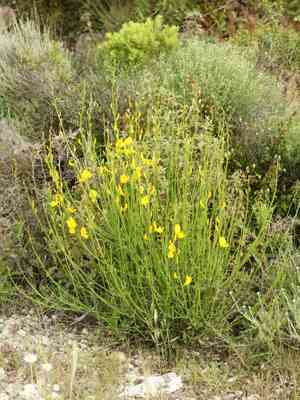
1
Spanish broom flourishes in soil that drains well and tolerates infertile ground, making it adaptable to diverse garden environments.
2
Fertilizing Spanish broom is best done in the Spring, coinciding with its period of vigorous growth.
3
Refrain from using high-nitrogen fertilizers on Spanish broom, as too much nitrogen promotes leaf growth over flower production.
Understanding Nutrient Requirements of Spanish broom
Essential Nutrients for Healthy Growth
For your Spanish broom to thrive, comprehending its nutrient needs is crucial. Key nutrients include nitrogen (N), phosphorus (P), and potassium (K). Nitrogen supports leaf and stem development, phosphorus aids strong root formation, and potassium boosts overall plant resilience. While Spanish broom is generally low-maintenance, an annual balanced fertilizer application can enhance its growth and flowering.
How Nutrient Needs Change with Seasons
Spanish broom's nutrient demands vary seasonally. In spring, as the plant emerges and begins its growth phase, nutrient requirements are high. This is the ideal time for fertilization, ensuring ample resources for new leaves and blooms. During summer, growth slows, and nutrient demand decreases. By autumn, fertilization is usually unnecessary as the plant prepares for dormancy. Understanding these seasonal shifts helps tailor your feeding schedule effectively.
Choosing the Right Fertilizer for Spanish broom
Types of Fertilizers: Pros and Cons
When selecting a fertilizer for your Spanish broom, several options exist, each with benefits and drawbacks. Granular fertilizers are easy to apply and release nutrients slowly, but distribution can be uneven. Liquid fertilizers offer rapid nutrient uptake and uniform application but require more frequent use. Slow-release fertilizers provide a consistent nutrient supply over months, though they can be pricier. The best choice depends on your gardening preferences and the specific needs of your Spanish broom.
Organic vs. Synthetic: What's Best for Spanish broom?
The debate between organic and synthetic fertilizers is ongoing among gardeners. Organic options, like compost or manure, improve soil health and are eco-friendly. They release nutrients gradually, reducing over-fertilization risk. However, they may be less nutrient-dense and slower to show results. Synthetic fertilizers, conversely, provide an immediate nutrient boost and are easy to measure precisely. Yet, excessive use can degrade soil over time. For Spanish broom, a balanced approach might be best, using organic matter to enrich soil and a synthetic fertilizer for a seasonal spring boost.
The Best Time to Fertilize Spanish broom
Growing Season Considerations
The optimal time to fertilize Spanish broom is during its active growth period in spring. This timing aligns with the plant's natural cycle, ensuring it has the necessary nutrients for new growth and flowering. Spring fertilization supports the plant as it expends energy to produce vibrant blooms and healthy foliage. Waiting until summer or fall can lead to less efficient nutrient absorption and may not yield desired growth benefits.
Key Signs Your Spanish broom Needs Fertilizing
Several indicators suggest your Spanish broom might require fertilization. Yellowing leaves can point to a nitrogen deficiency, while a lack of blooms may signal a need for phosphorus. If the plant shows stunted growth or poor overall health, it could be lacking essential nutrients. Regular inspection of your Spanish broom will help you detect these signs early and apply the appropriate fertilizer to resolve the issue.
Step-by-Step Guide to Fertilizing Spanish broom
Preparing the Soil for Fertilization
Before applying fertilizer to your Spanish broom, proper soil preparation is crucial. Start by clearing any weeds or debris from the soil surface. Loosen the topsoil layer with a garden fork to enhance aeration and water absorption. This aids in even fertilizer distribution. If using organic fertilizers, such as compost, mix them into the soil to enrich its structure and nutrient content.
Applying Fertilizer Correctly
To apply fertilizer, determine the correct amount based on the plant's size and the product instructions. Spread granular fertilizers uniformly around the plant's base, avoiding direct contact with stems and leaves to prevent burning. If using liquid fertilizer, mix it with water as directed and apply it to the soil around the plant. Ensure thorough coverage, and water the area well after application to help the fertilizer absorb into the soil.
Post-Fertilization Care Tips
After fertilizing your Spanish broom, continued proper care is important. Water the plant regularly, especially during dry spells, to aid effective nutrient absorption. Monitor the plant for signs of nutrient deficiency or over-fertilization, such as yellowing leaves or leaf burn. Prune dead or damaged branches to encourage healthy growth and airflow. Regularly check for pests and diseases, and address any issues promptly to maintain the plant's overall health.
Common Mistakes to Avoid When Fertilizing Spanish broom
Over-Fertilizing Issues and Their Impact
Excessive fertilization of Spanish broom can negatively affect its health. Too much fertilizer, especially nitrogen, can lead to abundant leaf growth at the expense of flowers. It can also cause nutrient imbalances in the soil, resulting in leaf burn and root damage. To prevent over-fertilizing, always adhere to recommended application rates and avoid extra doses between scheduled fertilization periods.
Incorrect Timing and Its Effects on Plant Health
Fertilizing Spanish broom at the wrong time can also impact its health. Applying fertilizer in late autumn or winter, during dormancy, can lead to nutrient leaching and waste. Fertilizing during hot summer months can stress the plant, as it may struggle to absorb nutrients in the heat. Adhering to a spring fertilization schedule ensures nutrients are available when the plant needs them most, promoting optimal growth and blooming.



