Optimal Fertilizer for Growing Early goldenrod: What You Need to Know
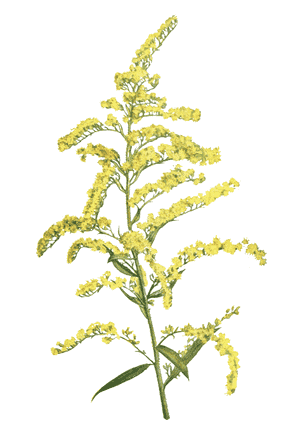
1
Early goldenrod thrives in sunny locations with good soil drainage.
2
Fertilizing Early goldenrod in spring promotes strong growth.
3
Monitor leaf coloration to assess the plant's vitality and nutritional requirements.
Grasping the Nutritional Requirements of Early Goldenrod
What Are the Essential Nutrients for Early Goldenrod?
To ensure your Early goldenrod (Solidago juncea) flourishes, it's vital to comprehend its primary nutrient demands. Nitrogen (N), phosphorus (P), and potassium (K) are the main elements Early goldenrod needs. Nitrogen promotes lush, green leaves; phosphorus aids in root growth and flower production; and potassium boosts overall plant health and disease resistance. Maintaining a balance of these nutrients is crucial for optimal growth and blooming.
The Significance of Soil Quality in Nutrient Uptake
Soil quality plays a pivotal role in how effectively your Early goldenrod absorbs these nutrients. Well-drained, loamy soil with a pH between 6.0 and 7.5 is ideal. Poor soil conditions can impede nutrient availability and absorption. Performing a soil test can help you determine its current nutrient levels and pH, enabling you to amend the soil as necessary. Incorporating organic matter like compost can greatly enhance soil texture and fertility, ensuring your Early goldenrod receives the required nutrients.
Selecting the Appropriate Fertilizer for Early Goldenrod
Organic vs. Synthetic Fertilizers: Which is Preferable?
When it comes to nourishing your Early goldenrod, you have a choice between organic and synthetic fertilizers. Organic fertilizers, such as compost and well-rotted manure, offer a gradual release of nutrients and improve soil health over time. They are eco-friendly and encourage beneficial soil microorganisms. Conversely, synthetic fertilizers provide a rapid nutrient boost but can sometimes result in nutrient runoff and soil degradation. For a sustainable approach, organic fertilizers are generally advised, but a balanced strategy using both types can also be effective.
How to Determine the Correct Fertilizer Ratio
Determining the appropriate fertilizer ratio for Early goldenrod involves understanding its developmental stage and specific requirements. A balanced fertilizer with an N-P-K ratio of 10-10-10 or 14-14-14 is a good starting point. For mature plants, slightly reducing the nitrogen content during the flowering phase can enhance bloom production. Always adhere to the manufacturer's guidelines and avoid excessive fertilization, which can lead to nutrient imbalances and plant stress.
Applying Fertilizer to Early Goldenrod: Methods and Timing
The Optimal Time to Fertilize Early Goldenrod
Timing is crucial when fertilizing Early goldenrod. Spring is the best season for fertilization as it aligns with the plant's active growth period. Applying fertilizer in early spring, just as new growth emerges, provides the plant with a nutrient boost to support robust development. Avoid fertilizing late in the season, as this can encourage tender growth that may not withstand colder temperatures.
Application Techniques for Ensuring Uniform Distribution
For even fertilizer distribution, use a broadcast spreader for granular fertilizers or a watering can for liquid fertilizers. When using granular fertilizers, lightly rake the soil to incorporate the nutrients. For liquid fertilizers, apply them directly to the base of the plants, avoiding contact with foliage to prevent burning. Water the area thoroughly after application to help the nutrients penetrate the soil. Consistent, uniform application ensures that all parts of the plant receive the nourishment they need.
Observing the Effects of Fertilization on Early Goldenrod
Indicators of Sufficient Fertilization in Early Goldenrod
After fertilizing, there are several signs to indicate that your Early goldenrod is receiving adequate nutrients. Healthy, vibrant green foliage and robust stem growth are positive indicators. Regular blooming with abundant flowers also signifies sufficient nourishment. Monitor the plant's overall vigor and growth patterns to ensure it's thriving post-fertilization.
Common Problems and How to Resolve Them
Despite best efforts, you may encounter some issues after fertilization. Yellowing leaves can indicate nitrogen deficiency, while poor blooming might suggest a lack of phosphorus. Over-fertilization can lead to burnt leaf edges or excessive foliage with few flowers. Address these issues by adjusting fertilizer type and application rates. Conducting periodic soil tests can help you fine-tune your fertilization strategy to better meet your Early goldenrod's needs.



