Optimal Fertilizer for Growing Cup plant: What You Need to Know
1
Cup plants flourish optimally with fertilization in early spring.
2
Select a balanced fertilizer, such as a 10-10-10 N-P-K blend, to promote robust development.
3
Observe for yellow foliage and inhibited growth, which indicate a lack of essential nutrients.
Understanding the Nutritional Needs of Cup plant
The Basic Nutrient Requirements for Cup plant
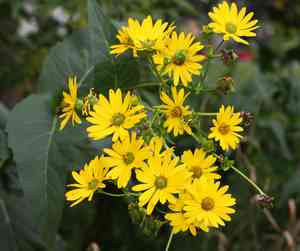
The Cup plant (Silphium perfoliatum) is a robust species, often cultivated for its impressive height and vibrant yellow blossoms. Like all plants, the Cup plant requires specific nutrients to flourish. Key nutrients include nitrogen (N), which supports vigorous leaf and stem development; phosphorus (P), vital for root formation and blooming; and potassium (K), which enhances overall plant health and disease resistance. A balanced nutrient blend providing these elements in suitable quantities is crucial for optimal development.
Signs of Nutrient Deficiency in Cup plant
It's crucial to identify indicators of nutrient deficiency in your Cup plant to address them promptly. Common symptoms include yellowing foliage, often signaling a lack of nitrogen. Restricted growth and poor flowering can point to phosphorus deficiency, while potassium deficiencies might manifest as browning leaf edges and weakened stalks. Remaining attentive to these signs will help you modify fertilization practices before significant harm occurs.
Choosing the Right Fertilizer for Cup plant
Analyzing Fertilizer Types: Organic vs Synthetic Options
When selecting fertilizers, gardeners frequently weigh organic against synthetic choices. Organic fertilizers, such as compost and manure, release nutrients gradually and enhance soil structure over time. They are excellent for fostering long-term soil vitality and sustainability. Conversely, synthetic fertilizers offer immediate nutrient availability, which can be advantageous for rapid growth spurts. However, they can also lead to nutrient runoff and soil degradation if not applied carefully. For the Cup plant, a balanced approach incorporating both types can provide the best outcomes.
Recommended Fertilizer Ratios for Cup plant
For thriving and healthy Cup plants, it's advisable to use a balanced fertilizer with an N-P-K ratio of 10-10-10. This indicates the fertilizer contains equal proportions of nitrogen, phosphorus, and potassium. For an organic alternative, aged compost or well-rotted manure can be incorporated into the soil to supply nutrients slowly over time. Applying a slow-release granular fertilizer in early Spring, as new growth commences, can prepare the plant for a season of vigorous development.
Proper Application of Fertilizer to Cup plant
Best Times to Fertilize Cup plant Throughout the Year
The ideal period to fertilize your Cup plant is in early Spring, at the beginning of the active growing season. This timing ensures the plant has access to vital nutrients as it emerges from dormancy and initiates new growth. An additional feeding can be considered in mid-summer if growth appears slow or if the plant exhibits signs of nutrient deficiency. Avoid fertilizing in late fall and winter, as the plant enters dormancy and does not actively absorb nutrients during this period.
Step-by-Step Guide to Fertilizing Cup plant
Effectively fertilizing your Cup plant involves a few straightforward steps:Prepare the soil:Loosen the soil around the base of the Cup plant to about 2 inches (5 cm) deep.Measure the fertilizer:Follow the instructions on the fertilizer package to prevent over-application. For granular fertilizers, typically, a handful (around 50 grams) per plant is sufficient.Apply the fertilizer:Evenly distribute the fertilizer around the base, being careful to keep it a few inches away from the stem to avoid burn.Water thoroughly:Water the area well to help the fertilizer penetrate the soil and reach the roots.Monitor growth:Observe your Cup plant over the next few weeks for signs of improvement and adjust fertilization as needed.



