Optimal Fertilizer for Growing Chayote: What You Need to Know
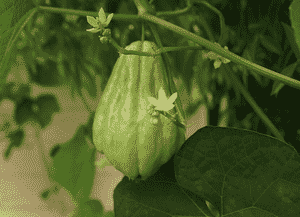
1
The best times to nourish Chayote for robust development are during spring and summer.
2
Chayote thrives with an even N-P-K blend of 10-10-10 to support its general well-being.
3
Analyzing the soil prior to feeding aids in customizing the nutrient blend for peak performance.
Understanding Chayote's Nutritional Needs
Nutrient Requirements: What Does Chayote Need?
For successful Chayote cultivation, comprehending its nutrient demands is crucial. This plant thrives on a balanced blend of vital nutrients, primarily Nitrogen (N), Phosphorus (P), and Potassium (K). Nitrogen promotes foliage growth, Phosphorus is key for root development, and Potassium boosts overall plant vigor and disease resistance. Additionally, Chayote can benefit from micronutrients like Magnesium, Iron, and Zinc.
Soil Testing: The Initial Step in Fertilization Strategy
Prior to applying any fertilizer, it is highly advisable to conduct a soil analysis. Soil testing provides a clear understanding of the soil's nutrient content and pH level. This data aids in tailoring the fertilization plan to meet the specific requirements of your Chayote plants. Soil tests can be performed with home kits or through professional laboratories.
The Role of Organic Matter in Enhancing Soil Quality
Incorporating organic materials such as compost or well-aged manure significantly benefits Chayote plants. Organic matter improves soil structure, enhances nutrient retention, and encourages beneficial microbial activity. It also gradually releases nutrients, lessening the need for frequent fertilization.
Selecting the Appropriate Fertilizer for Chayote
Synthetic vs. Organic Fertilizers: Advantages and Disadvantages
Choosing between synthetic and organic fertilizers depends on your gardening objectives and preferences. Synthetic fertilizers offer a rapid nutrient boost and are simple to apply, but they can lead to soil degradation over time. Organic fertilizers, conversely, release nutrients slowly and improve soil health but may require more effort to prepare and apply. For Chayote, a combination of both might be ideal to balance immediate and long-term nutrient needs.
Recommended N-P-K Ratio for Chayote
A balanced N-P-K ratio of 10-10-10 is frequently suggested for Chayote. This ratio ensures the plant receives equal parts of nitrogen, phosphorus, and potassium, supporting all aspects of its development. However, based on soil test results, you might need to adjust these ratios to correct any nutrient deficiencies.
Timing and Frequency: When and How Often to Fertilize?
For Chayote, the optimal time to begin fertilizing is in the spring as the plant starts its growth. Continue fertilization throughout the summer to support its rapid growth phase. Typically, fertilizing once every 4-6 weeks during these seasons is sufficient. Always adhere to the specific instructions on your fertilizer packaging to prevent over-fertilization.
Applying Fertilizer to Chayote: Best Practices
How to Apply Fertilizers Correctly
When applying fertilizers, ensure even distribution around the base of the Chayote plant. Water the soil thoroughly after applying granular fertilizer to help dissolve and distribute the nutrients. If using liquid fertilizer, follow the recommended dilution rates and apply directly to the soil around the plant. Avoid splashing fertilizer on the leaves as it can cause burns.
Avoiding Common Fertilizer Mistakes
Common errors include over-fertilizing, which can harm the plant and cause nutrient runoff, and under-fertilizing, which can impede plant growth. Another mistake is neglecting the soil pH level, which can affect nutrient availability. Regular monitoring and soil testing can help prevent these issues.
Monitoring Plant Response and Adjusting Care
After fertilizing, observe your Chayote plants for signs of nutrient deficiencies or excesses. Yellowing leaves may indicate a nitrogen deficiency, while burnt leaf edges could signal over-fertilization. Adjust your fertilization approach based on these observations and ensure consistent watering practices to support nutrient uptake.
Environmental Considerations and Impact
Eco-Friendly Fertilization Techniques
To minimize environmental impact, consider utilizing eco-friendly fertilizers. Compost, manure, and other organic substances reduce the risk of chemical runoff and enhance soil health. Implementing practices like mulching can also help conserve moisture and reduce the need for chemical fertilizers.
Impact of Over-Fertilization on Ecosystems
Excessive fertilization can lead to nutrient runoff into nearby water bodies, causing algal blooms and water pollution. It also negatively affects soil health by disrupting the natural microbial balance. Adopting a responsible fertilization strategy with careful monitoring ensures that your Chayote gets the necessary nutrients without harming the environment.



