Optimal Fertilizer for Growing Satin pothos: What You Need to Know
1
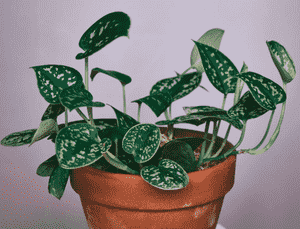
Satin pothos flourishes when given a half-strength, balanced liquid plant food throughout its active growth period.
2
Excessive fertilization may cause nutrient burn, appearing as browned or scorched leaf edges.
3
Tailor your feeding schedule to the plant's growth pace, particularly when light levels are lower.
Deciphering the Dietary Needs of Satin Pothos
The Value of Sufficient Nourishment
Adequate nutrition is vital for the overall well-being and development of your Satin Pothos. Like all living things, plants require essential elements to carry out crucial functions. These nutrients assist in fostering lush foliage, robust root systems, and heightened resistance to pests and diseases. When a plant receives the appropriate nutrients in the correct quantities, it flourishes and becomes a vibrant enhancement to your indoor garden.
Essential Nutrients for Satin Pothos
Your Satin Pothos needs several key nutrients for optimal growth. The primary macronutrients include Nitrogen (N), Phosphorus (P), and Potassium (K). Nitrogen is critical for leaf development and maintaining the plant's green hue. Phosphorus aids root growth and flower production, while Potassium fortifies the plant's immunity. Additionally, micronutrients such as Magnesium, Calcium, and Iron play supportive roles in ensuring your plant remains healthy and vibrant.
Selecting the Appropriate Fertilizer for Satin Pothos
Available Fertilizer Varieties
Regarding fertilizers, you have a range of options to choose from. The most common types are granular, liquid, and slow-release fertilizers. Granular fertilizers are spread on the soil surface and watered in, while liquid fertilizers are mixed with water and applied during irrigation. Slow-release fertilizers gradually release nutrients over time, reducing the need for frequent applications. Each type has its advantages, and your choice may depend on convenience and personal preference.
Natural Versus Chemical Fertilizers
Organic fertilizers are derived from natural sources such as compost, manure, and bone meal. They enhance soil health and deliver nutrients in a slow, consistent manner. Synthetic fertilizers, conversely, are formulated from chemical compounds and provide nutrients rapidly. While chemical fertilizers can offer immediate results, they may increase the risk of over-fertilization if not used carefully. Organic fertilizers are a safer choice for those who prefer a more natural gardening approach.
Fertilization Frequency for Satin Pothos
Feeding During the Active Growth Phase
During the active growth season, typically from spring to late summer, your Satin Pothos is in its most vigorous development phase. This is the ideal time to fertilize. Use a balanced liquid fertilizer, diluted to half strength, and apply it every 4-6 weeks. This consistent feeding schedule supports robust growth and ensures your plant receives the essential nutrients it requires during this period of heightened metabolic activity.
Adjusting Feeding During Rest Periods
As days shorten and temperatures decrease, your Satin Pothos enters a resting phase. During the fall and winter months, reduce the frequency of fertilization to once every 8-10 weeks, or even abstain entirely if the plant's growth significantly slows. Excessive fertilization during dormancy can lead to nutrient accumulation in the soil, which can harm the plant. Adjusting your fertilization routine according to the plant's growth cycle helps maintain its health year-round.
Methods for Fertilizing Satin Pothos
Proper Fertilizer Application Techniques
Correctly applying fertilizer is crucial to prevent damage to your Satin Pothos. If using liquid fertilizer, mix it thoroughly with water according to package directions, then pour it evenly over the soil until it begins to drain from the bottom. For granular fertilizers, sprinkle the recommended amount on the soil surface and gently mix it in without disturbing the roots. Ensure the soil is damp before application to prevent root burn.
Errors to Avoid During Application
A common error many plant owners make is over-fertilizing, which can cause root burn and lead to leaf discoloration or plant death. Always adhere to the recommended dosage and avoid fertilizing more often than suggested. Another mistake is applying fertilizer to dry soil, which can cause nutrients to concentrate and damage roots. Always water your plant thoroughly before each fertilization.
Observing Your Satin Pothos Post-Fertilization
Indicators of Adequate Feeding
After fertilizing your Satin Pothos, observe it for signs of healthy development. Look for vibrant, new foliage, consistent growth rates, and overall plant vigor. The leaves should display a rich, green hue, and the plant should appear robust and thriving. Regular observation helps you determine if your fertilization regimen is effective or requires modifications.
Recognizing Symptoms of Excessive Fertilization
Over-fertilization can be harmful to your Satin Pothos. Signs of over-fertilization include brown or scorched leaf tips, yellowing leaves, and stunted development. The soil may also develop a white crust due to salt accumulation from surplus nutrients. If you notice these symptoms, flush the soil with plenty of water to wash out the excess fertilizer and refrain from further feeding until the plant recovers.



