Optimal Fertilizer for Growing Dwarf umbrella tree: What You Need to Know
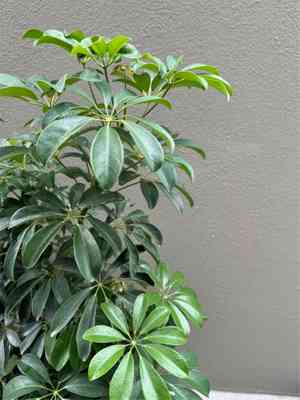
1
Always make sure your Dwarf umbrella tree is adequately hydrated prior to fertilizer application to avoid damage to the roots.
2
For peak summer growth, apply a balanced 20-20-20 liquid feed at half its recommended concentration.
3
To support vibrant foliage, fertilize your Dwarf umbrella tree every one to one and a half months throughout its active growth period.
Deciphering the Nutritional Requirements of Dwarf umbrella tree
Essential Nutrients for Robust Development
The Dwarf umbrella tree thrives on a balanced intake of nitrogen (N), phosphorus (P), and potassium (K), often referred to as N-P-K. Nitrogen is vital for promoting rich green leaves and general foliage expansion. Phosphorus supports vigorous root growth and aids in blooming, though the Dwarf umbrella tree is not primarily cultivated for its flowers. Potassium contributes to the plant's overall well-being, enhancing its resistance to diseases and resilience against various environmental pressures.
Indicators of Nutritional Deficiencies
Spotting early indicators of nutrient insufficiency can prevent the decline of your Dwarf umbrella tree. Typical signs include yellowing of leaves, particularly near the tips and edges, stunted development, and weak stems. A lack of nitrogen generally results in leaves turning yellow and shedding prematurely, while insufficient phosphorus might cause dark green or purplish foliage. If potassium is deficient, the leaf edges could appear scorched or burnt.
Selecting the Appropriate Fertilizer for Dwarf umbrella tree
Available Fertilizer Varieties
Several fertilizer types are suitable for the Dwarf umbrella tree, including liquid, granular, and controlled-release formulations. Liquid fertilizers are excellent for rapid nutrient absorption and are frequently used for indoor plants. Granular fertilizers provide a steady release of nutrients and are well-suited for outdoor plants. Slow-release fertilizers offer convenience for those preferring less frequent feeding, as they gradually break down and supply nutrients over an extended period.
Organic Versus Synthetic Fertilizers
When choosing between organic and synthetic fertilizers, it's crucial to weigh their advantages and drawbacks. Organic fertilizers, sourced from natural materials like compost, bone meal, and fish emulsion, enrich the soil and foster microbial activity. They typically release nutrients slowly and improve soil structure. Synthetic fertilizers, conversely, are man-made and deliver nutrients quickly. They are usually more concentrated and can provide precise nutrient ratios as indicated by their N-P-K values.
Fertilization Frequency for Dwarf umbrella tree
Feeding During Active Growth Phases
Summer represents the primary growth period for the Dwarf umbrella tree. During this phase, the plant undergoes rapid development and consequently requires consistent feeding. It's advisable to fertilize your Dwarf umbrella tree every 4-6 weeks using a balanced liquid fertilizer diluted to half strength. This schedule ensures a continuous supply of essential nutrients to support its lush, vibrant foliage.
Adjusting Fertilization During Inactive Periods
During its dormant phase, typically spanning fall and winter, the Dwarf umbrella tree's growth substantially diminishes. Excessive fertilization at this time can lead to a build-up of nutrients in the soil, potentially harming the plant. It's recommended to reduce the fertilization frequency to once every 8-10 weeks or even cease it entirely if the plant shows no signs of active growth.
A Step-by-Step Guide to Fertilizing Dwarf umbrella tree
Preparing Your Plant and Area
Before fertilizing, ensure your Dwarf umbrella tree is adequately hydrated. Dry soil can cause roots to absorb a higher concentration of fertilizer, potentially leading to root burn. Clear your work area and gather your supplies—fertilizer, measuring implements, and a watering can.
Applying the Fertilizer
Dilute your chosen liquid fertilizer to half strength, as full-strength solutions can be overly potent for potted plants. Pour the mixture around the base of the plant, being careful to avoid direct contact with the leaves. Distribute the fertilizer evenly to ensure all roots receive nutrients.
Post-Fertilization Care
After fertilizing, water the plant thoroughly to aid in the distribution of nutrients throughout the soil. Monitor the plant over the subsequent days for any indications of stress or over-fertilization, such as discolored leaves or wilting. Adjust future fertilization based on the plant's reaction.
Common Errors to Avoid When Fertilizing Dwarf umbrella tree
Over-fertilization and its Repercussions
One of the most frequent mistakes in fertilizing Dwarf umbrella tree is applying too much. This can cause an accumulation of salts in the soil, leading to root burn and ultimately damaging your plant. Symptoms include yellowing and wilting leaves, stunted growth, and brown leaf tips. If you suspect over-fertilization, flush the soil with ample water to remove excess nutrients.
Disregarding Plant Distress Signals
Failing to recognize signs of plant stress can worsen existing problems. Always observe your Dwarf umbrella tree for changes in leaf color, growth habits, and overall health. Stress can stem from either too much or too little fertilizer. Adjust your care regimen accordingly, ensuring the plant isn't suffering from other issues like pests, diseases, or inadequate light conditions.



