Optimal Fertilizer for Growing Octopus tree: What You Need to Know
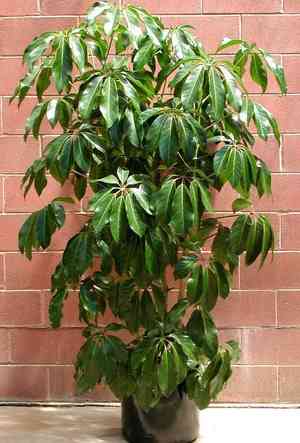
1
To achieve the strongest development, feed your Octopus tree during the summer months when it can optimally absorb the nourishment.
2
Observe for indications of nutrient shortages, like foliage turning yellow or growth being inhibited; these may signal your plant requires additional sustenance.
3
Always irrigate the soil following fertilization to aid the nutrients in reaching the root system more efficiently.
Understanding the Nutritional Requirements of Octopus tree
Key Nutrients for Vigorous Development
The Octopus tree flourishes with a balanced intake of vital nutrients. Nitrogen, phosphorus, and potassium are the main elements required for strong growth. Nitrogen supports foliage development, phosphorus is essential for root formation, and potassium enhances overall plant health and disease resistance. During peak growth, especially in summer, providing these nutrients significantly boosts the plant's vitality and leafiness.
Indicators of Nutrient Deficiencies
Nutrient shortages in your Octopus tree can be identified by various symptoms. Yellowing leaves typically indicate a nitrogen deficiency, while poor root growth suggests insufficient phosphorus. If your plant displays reduced growth rates or weak stems, it might lack potassium. Addressing these signs promptly by adjusting your fertilization strategy can lead to healthier plant development and prevent lasting damage.
Choosing the Appropriate Fertilizer for Octopus tree
Fertilizer Types: Advantages and Disadvantages
Selecting the correct fertilizer is crucial for your Octopus tree's health and growth. Available options include liquid, granular, and slow-release fertilizers. Liquid fertilizers act quickly and are easy to apply but may need frequent reapplication. Granular fertilizers are simple to use and release nutrients gradually. Slow-release fertilizers are convenient, providing nutrients over an extended period, but can be pricier. Understanding each type's pros and cons helps you choose the best option.
Organic vs. Synthetic: What's Optimal for Your Plant?
When deciding between organic and synthetic fertilizers, consider your Octopus tree's specific needs. Organic fertilizers, from natural sources, enrich the soil and promote long-term health, though they tend to work slower. Synthetic fertilizers, conversely, offer rapid nutrient availability and precise ratios. For eco-conscious gardeners, organic is preferred. Those seeking immediate results might choose synthetic. Ultimately, your decision depends on your gardening philosophy and the plant's requirements.
Proper Fertilizer Application for Octopus tree
Fertilization Schedule and Frequency
The ideal time to fertilize your Octopus tree is during the summer months when it's actively growing. Fertilizing every 4-6 weeks during this period ensures a steady nutrient supply. Be cautious not to over-fertilize, as this can cause nutrient burn, harming the plant's roots and leaves. Monitoring growth and adjusting frequency can maximize benefits.
Step-by-Step Fertilizing Procedure
Fertilizing your Octopus tree involves a few simple steps. First, gently loosen the topsoil around the plant's base. Next, evenly distribute the fertilizer according to package directionsâtypically about 1 ounce (30 grams) per gallon (3.8 liters) of water for liquid types. For granular, sprinkle around the tree's base. Water thoroughly immediately after application to ensure nutrients reach the root zone effectively, minimizing fertilizer burn risk.
Safety Precautions During Fertilization
Safety is paramount when applying fertilizers. Always wear gloves and eye protection to prevent skin and eye irritation. Ensure good ventilation, especially with synthetic fertilizers. Follow recommended dosages to avoid over-fertilization, which can harm your plant and the environment. Safe handling protects you and promotes a healthier gardening experience.
Observing Fertilization Outcomes
Evaluating Plant Health After Fertilization
After applying fertilizer, observe your Octopus tree's response. Look for improvements like new growth, vibrant leaf color, and increased vigor, indicating nutrient benefits. Conversely, if you notice yellowing leaves, leaf drop, or stunted growth, it might signal over-fertilization or a nutrient imbalance.
Adjusting Care Based on Plant's Reaction
Based on observations, you may need to modify your care routine. If the plant responds positively, maintain the current fertilization schedule. If problems persist, reduce the fertilizer dose or extend the time between applications. Sometimes, flushing the soil with water can alleviate over-fertilization effects. Adapting your approach to your plant's reaction ensures its continued health and thriving throughout the growing season.



