Optimal Fertilizer for Growing African blood lily: What You Need to Know
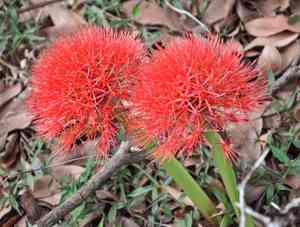
1
African blood lilies thrive in soil that drains effectively, aiding in nutrient uptake.
2
Apply a balanced plant food, such as one with a 10-10-10 N-P-K ratio, for best development.
3
Watering the plant post-fertilization is crucial for uniform nutrient distribution.
Understanding Nutrient Requirements for African blood lily
The Function of Nutrients in African blood lily Vitality
Nutrients are essential for the African blood lily's health and vigor. Key elements like nitrogen, phosphorus, and potassium (N-P-K) aid in the development of leaves, roots, and flowers. Nitrogen supports robust foliage, phosphorus strengthens root systems, and potassium boosts overall plant resilience and bloom production. Without a proper balance of these vital nutrients, the African blood lily will not flourish.
Recognizing Deficiency Symptoms in African blood lily
Identifying nutrient deficiencies in your African blood lily is crucial for prompt action. Typical indicators include yellowing leaves, often signaling a nitrogen shortage. Poor root development and weak stems can point to phosphorus deficiency, while discolored flower spikes might suggest insufficient potassium. Paying close attention to these signs allows you to quickly adjust your feeding strategy, ensuring your lily maintains its vibrant health.
Selecting the Appropriate Fertilizer for African blood lily
Organic vs. Synthetic: Which is Preferable?
The choice between organic and synthetic fertilizers depends on your gardening philosophy and specific plant needs. Organic fertilizers, derived from natural sources, release nutrients gradually and enhance soil health over time. They are environmentally friendly but may take longer to show results. Synthetic fertilizers, conversely, provide a quick nutrient boost and are formulated to address particular deficiencies. However, they do not improve soil structure. Both types can benefit African blood lily, but many gardeners prefer a balanced approach, using organic fertilizers for long-term soil health and synthetic options for immediate nutrient requirements.
Key Nutrients in Fertilizers for African blood lily
For the African blood lily, a balanced fertilizer with an N-P-K ratio of approximately 10-10-10 is optimal. This ensures it receives an equal proportion of nitrogen, phosphorus, and potassium. Additionally, seek out fertilizers containing micronutrients such as magnesium, calcium, and iron, which support overall plant health and intensify bloom coloration. Avoid fertilizers with high nitrogen content, as this can lead to abundant foliage at the expense of flowers.
When and How to Feed African blood lily
Optimal Time of Year for Fertilizing African blood lily
The best time to fertilize the African blood lily is during the summer when the plant is actively growing. Fertilizing at this stage ensures the plant has the necessary nutrients to support vigorous growth and flower production. Refrain from fertilizing in winter when the plant is dormant, as this can lead to nutrient accumulation and potential root damage.
Step-by-Step Guide to Fertilizing African blood lily
Fertilizing your African blood lily is straightforward. Follow these steps for optimal results:Select a balanced fertilizer with an N-P-K ratio of 10-10-10.Measure the recommended amount of fertilizer based on your plant's size and pot.Apply the fertilizer evenly around the plant's base.Gently work the fertilizer into the top layer of soil.Water the plant thoroughly to help nutrients reach the root zone.Repeat this process every 4-6 weeks during the growing season.Adhering to these steps ensures your African blood lily receives the nutrients it needs for healthy growth and vibrant blooms.
Common Errors in Fertilizing African blood lily
Excessive Fertilization and Its Consequences
Over-fertilizing is a frequent error that can negatively impact the African blood lily. Too much fertilizer can cause nutrient burn, appearing as brown or scorched leaf tips and edges. It can also disrupt soil pH balance, affecting nutrient absorption. To prevent over-fertilization, always adhere to the recommended dosage instructions on your fertilizer package and resist the urge to add extra 'just in case.'
How to Rectify Fertilization Issues
If you've over-fertilized or suspect nutrient lockout, take these steps to correct the problem:Flush the soil with ample water to wash out excess fertilizer.Reduce or cease fertilization until the plant shows signs of recovery.Closely monitor the plant for any persistent symptoms or new problems.Adjust your fertilization routine to a lower dose or less frequent applications.Making these changes can help restore soil balance and ensure your African blood lily regains its health.



