Optimal Fertilizer for Growing Autumn sage: What You Need to Know
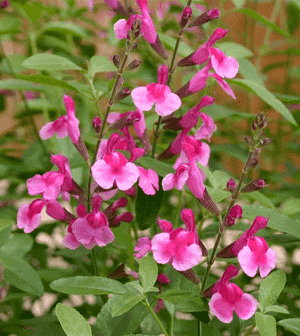
1
Nourish your Autumn sage in early spring to encourage vigorous development during its active period.
2
Select a balanced NPK blend, such as 10-10-10, to supply vital nutrients without overfeeding the plant.
3
Always moisten the soil prior to fertilizer application to prevent damage to the roots.
Understanding Autumn Sage's Feeding Requirements
What Essential Nutrients Does Autumn Sage Need?
For Autumn sage to flourish, it needs a consistent supply of three main macronutrients: nitrogen (N), phosphorus (P), and potassium (K). Nitrogen promotes foliage development, phosphorus aids root growth and bloom production, and potassium helps the plant resist stress and disease. Together, these elements ensure your plant stays healthy and vibrant.
The Impact of Soil Quality on Nutrient Uptake
Soil condition significantly affects how Autumn sage absorbs nutrients. Well-draining soil rich in organic matter ensures nutrients are available to the plant's roots. If the soil is too dense, water and nutrients may not reach the roots effectively, leading to poor plant health. Regular soil enrichment with compost or other organic materials can greatly improve nutrient absorption.
Selecting the Appropriate Fertilizer for Autumn Sage
Organic vs. Synthetic Fertilizers: Which Option is Better?
When choosing between organic and synthetic fertilizers, each offers distinct benefits. Organic options, such as compost and manure, release nutrients gradually and enhance soil structure. They also stimulate beneficial microbial activity in the soil. Conversely, synthetic fertilizers provide nutrients in an immediately usable form, which can be useful for quick nutrient corrections. However, they don't improve long-term soil health. Consider using a combination of both to gain their respective advantages.
Recommended NPK Ratio for Autumn Sage
Autumn sage thrives with a balanced NPK fertilizer ratio of 10-10-10. This indicates the fertilizer contains equal amounts of nitrogen, phosphorus, and potassium. Such a balanced mix ensures all vital nutrients are supplied without overwhelming the plant with too much of any single nutrient. Choose slow-release formulations to prevent nutrient runoff and encourage steady growth.
A Step-by-Step Guide to Fertilizing Autumn Sage
Optimal Timing for Fertilizing Autumn Sage
The ideal time to fertilize your Autumn sage is in early spring. This timing aligns with the plant's active growth period, allowing it to utilize the nutrients most efficiently. Spring fertilization supports vigorous growth and abundant blooms throughout the growing season. Avoid fertilizing late in the season, as this can encourage tender new growth that may not survive winter conditions.
How to Apply Fertilizer to Autumn Sage
Before applying fertilizer, lightly moisten the soil to prevent root damage. Distribute the fertilizer evenly around the plant's base, ensuring it does not directly touch the stems. Use a rake to gently work the fertilizer into the top few centimeters (inches) of soil. Water again after application to help dissolve the nutrients and move them into the root zone.
Monitoring Your Plant After Fertilization
Following fertilization, closely observe your Autumn sage to assess its reaction. Look for signs of healthy new growth and blooming as indicators that the plant is benefiting from the feeding. If you notice yellowing leaves or stunted development, it might signal a nutrient imbalance. Make any necessary adjustments by testing the soil and reapplying the appropriate fertilizer.
Common Fertilization Errors to Avoid with Autumn Sage
Over-fertilizing and Its Impact on Autumn Sage
One of the most frequent errors is excessive fertilization. This can lead to nutrient burn, appearing as brown leaf tips and edges, or overly rapid, weak growth. Over-fertilization also disrupts the soil's pH balance, causing nutrient lockout where plants cannot absorb nutrients. Always adhere to recommended dosages and opt for slow-release fertilizers to minimize these risks.
Indicators of Nutrient Deficiency and Toxicity
Nutrient deficiencies in Autumn sage are shown by yellowing foliage, poor development, and weak stems. Conversely, nutrient toxicity symptoms include leaf scorching, darkened roots, and abnormal growth patterns. Regularly inspect your plant for these signs and adjust your fertilization regimen accordingly. Soil testing kits are valuable for diagnosing nutrient imbalances and ensuring your Autumn sage receives proper care.



