Optimal Fertilizer for Growing Black willow: What You Need to Know
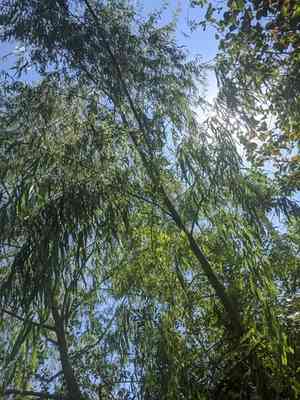
1
Black willow trees flourish best with an even 10-10-10 NPK nutrient blend for peak vitality.
2
Nourish Black willow in early spring to align with the start of its active growth period.
3
Applying mulch around the Black willow's base aids in moisture retention and soil improvement, boosting fertilizer efficacy.
Understanding the Nutritional Needs of Black willow
Key Nutrients Essential for Black willow
For your Black willow to flourish, grasping its core nutritional requirements is vital. These trees primarily need nitrogen (N), phosphorus (P), and potassium (K). Nitrogen supports strong leaf and stem development, phosphorus is crucial for root growth and blooming, and potassium enhances the tree's resilience against diseases and stress. Beyond these main elements, trace minerals like magnesium, iron, and manganese are also beneficial.
Symptoms of Nutrient Deficiencies in Black willow
Early detection of nutrient deficiencies can prevent lasting harm to your Black willow. Common indicators include yellowing foliage, stunted development, and poor leaf formation. A lack of nitrogen might cause older leaves to yellow and perish. Phosphorus deficiency often leads to dark green leaves with a purplish tint, especially in the veins. Potassium deficiency can appear as brown leaf margins. Recognizing these signs promptly allows for timely adjustments to your feeding regimen.
Choosing the Right Fertilizer for Black willow
Organic vs. Chemical Fertilizers: Which is Best?
Selecting the appropriate fertilizer type is crucial for robust Black willow growth. Organic fertilizers, such as compost or aged manure, release nutrients gradually and enhance soil structure and microbial activity. Chemical fertilizers, conversely, deliver nutrients more rapidly but can degrade soil over time if overused. For a balanced approach, many gardeners prefer slow-release formulas that combine both organic and chemical components.
Recommended NPK Ratio for Black willow
For optimal growth, a balanced NPK ratio of 10-10-10 is often suggested for Black willow trees. This ratio ensures an even distribution of vital nutrients. Depending on soil conditions and specific growth needs, a 20-10-10 ratio can also be used to boost nitrogen for leaf and shoot development during the early stages of the growing season. Regular soil analysis can help fine-tune these recommendations for your specific environment.
Best Time to Fertilize Black willow
Seasonal Fertilization Guidelines
Timing your fertilization efforts is critical for your Black willow's health and development. Fertilize in early spring, just as the tree begins its active growth phase. This timing ensures the tree has ample nutrients available during its most crucial growth period. Avoid fertilizing in late summer or fall, as this can stimulate new growth that may not harden off before winter, making it susceptible to cold damage.
Understanding the Growth Cycle of Black willow
Black willow trees exhibit a distinct growth cycle, with active growth commencing in spring and continuing through summer. During this period, the tree utilizes nutrients most efficiently. Understanding this growth cycle aids in planning your fertilization schedule. By aligning fertilization with the tree's natural growth stages, you ensure that nutrients are available when they are needed most, promoting robust health and development.
How to Apply Fertilizer to Black willow
Step-by-Step Fertilization Techniques
Correct fertilizer application ensures your Black willow receives maximum benefit. Follow these steps for effective fertilization:Measure the Area: Determine the area around the tree's base to know how much fertilizer is needed.Spread Evenly: Apply the fertilizer uniformly around the tree's drip line, which is the imaginary circle on the ground where the tree's branches end.Water Thoroughly: Water the area deeply after fertilization to help nutrients penetrate the soil and reach the roots. Avoid applying fertilizer directly against the trunk.
Safety Measures When Fertilizing
Fertilizer application requires certain safety precautions to safeguard both the plant and the gardener. Wear gloves and protective eyewear to prevent skin and eye irritation from chemical fertilizers. Adhere to the manufacturer's instructions for the correct dosage to avoid over-fertilization, which can harm the tree and leach into nearby water sources. Additionally, keep fertilizers out of reach of children and pets to prevent accidental ingestion.
Monitoring the Health of Black willow Post-Fertilization
Signs of Successful Fertilization
After fertilizing, observe your Black willow for indications of improved health and growth. Positive signs include vibrant leaf color, increased new growth, and overall vigor. Leaves should appear green and lush, and the tree should show steady growth in branches and height. Regularly check for these signs to confirm your fertilization routine is effective.
Adjusting Fertilization Practices Based on Plant Response
Each Black willow may react differently to fertilization depending on soil conditions, climate, and other factors. If you notice signs of over-fertilization, such as yellowing leaf edges or wilting, reduce the frequency or amount of fertilizer. Regular soil testing can provide valuable insights into nutrient levels and help you adjust your fertilization practices for optimal tree health. Adjustments should be made gradually to avoid shocking the tree and disrupting its growth cycle.



