Optimal Fertilizer for Growing Pussy willow: What You Need to Know
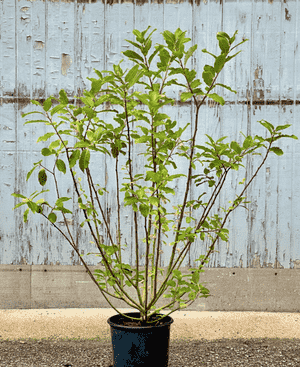
1
Pussy willow flourishes optimally with fertilization in early spring, prior to the emergence of new shoots.
2
Excessive fertilization may result in feeble development and heightened vulnerability to pests. Moderation is crucial!
3
Composted material and well-rotted manure serve as superb natural fertilizer choices for Pussy willow.
Grasping the Nutritional Requirements of Pussy Willow
Key Nutrients for Pussy Willow Development
Plants, much like humans, require a balanced diet to flourish. Pussy willow, with its distinctive fluffy catkins, is no exception. Its primary nutrient needs include nitrogen (N), phosphorus (P), and potassium (K), collectively known as NPK. Nitrogen supports foliage growth, phosphorus aids root and bloom formation, and potassium is vital for overall plant vigor and disease resistance. Supplying these nutrients will help your Pussy willow grow strong and vibrant.
Indicators of Nutrient Deficiencies in Pussy Willow
Early detection of nutrient deficiencies can prevent serious health issues for your Pussy willow. Common indicators include yellowing foliage, stunted development, poor blooming, and weak branches. Yellow leaves often signal a nitrogen deficit, while sparse flowering might suggest a phosphorus shortage. Wilting or fragile branches can sometimes point to a potassium deficiency. Observing these signs helps you customize your feeding strategy to meet specific nutritional demands.
Selecting the Appropriate Fertilizer for Pussy Willow
Fertilizer Types Suitable for Pussy Willow
For fertilizing Pussy willow, a balanced, slow-release fertilizer is optimal. These products gradually supply nutrients over time, minimizing the risk of over-fertilization. Seek out a fertilizer with an NPK ratio such as 10-10-10 or 20-20-20. Liquid fertilizers can also be effective, especially if you observe deficiency symptoms and need a quick remedy.
Organic vs. Synthetic Fertilizers for Pussy Willow
Both organic and synthetic fertilizers possess advantages and disadvantages. Organic options, like compost or aged manure, enhance soil structure and offer a gradual nutrient release. They are eco-friendly and promote beneficial soil microbes. Synthetic fertilizers, conversely, provide faster nutrient availability and are simple to apply with precise measurements. However, overuse can sometimes harm beneficial soil organisms. Your choice between organic and synthetic depends on your immediate needs and long-term soil health objectives.
Methods and Timing for Fertilizing Pussy Willow
Optimal Time of Year to Fertilize Pussy Willow
Timing is critical for effective fertilization. For Pussy willow, the best period to apply fertilizer is early spring. This is when the plant begins to emerge from dormancy and initiates its new growth cycle. Fertilizing at this time ensures the plant has all necessary nutrients for vigorous growth and blooming.
Detailed Guide to Fertilizing Pussy Willow
Fertilizing your Pussy willow is a straightforward process. Here’s a step-by-step guide:Select the Correct Fertilizer:Opt for a balanced, slow-release product.Measure the Fertilizer:Adhere to the product instructions to determine the proper quantity.Prepare the Soil:Loosen the soil around the plant's base for better absorption.Apply the Fertilizer:Distribute the measured fertilizer evenly around the base, avoiding direct stem contact.Water Thoroughly:Ensure the fertilizer dissolves and penetrates the soil by watering the plant generously afterward.Mulch (Optional):Adding a layer of mulch can help retain moisture and improve nutrient uptake.
Monitoring Pussy Willow After Fertilization
Assessing Plant Health Post-Fertilization
After fertilizing your Pussy willow, it's crucial to observe its health. Look for improvements such as greener foliage, new growth, and more abundant blooms. These changes indicate successful nutrient absorption. Conversely, watch for signs of over-fertilization, like leaf burn or excessively rapid growth, which can weaken the plant and make it susceptible to pests.
Adjusting Fertilization Practices Based on Plant's Reaction
Plants can be quite communicative if you pay attention. If your Pussy willow responds well and appears healthy, your current fertilization regimen is likely sufficient. However, if the plant exhibits signs of stress (yellowing, drooping), re-evaluate your fertilization amount and frequency. Sometimes, switching from synthetic to organic options or reducing the quantity can make a significant difference. Always remember, it's better to slightly under-fertilize than to overdo it.



