Optimal Fertilizer for Growing Goat willow: What You Need to Know
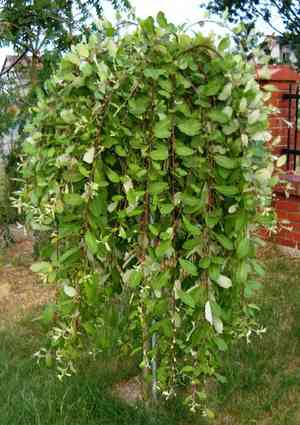
1
Goat willow thrives with a 10-10-10 balanced fertilizer during its vigorous growth period.
2
Checking your soil's pH prior to fertilization can conserve effort and promote peak plant vitality.
3
Refrain from excessive fertilization of Goat willowâprudence is vital to avert nutrient disparities.
Understanding Fertilization Needs of Goat willow
What Nutrients Does Goat willow Need?
Goat willow trees, known for their hardiness and adaptability, flourish when given a balanced mix of vital nutrients. The tree primarily needs nitrogen (N), phosphorus (P), and potassium (K)âoften called NPK. Nitrogen is key for leaf growth and overall development, phosphorus aids root and flower formation, and potassium helps with stress resistance and general plant well-being. Beyond these major nutrients, trace elements like iron, magnesium, and calcium are also beneficial for its development.
Assessing Soil for Nutrient Deficiencies
Before choosing the type and quantity of fertilizer, it's crucial to evaluate your soil's nutrient levels. You can conduct a soil test using a home kit or by sending a sample to a local agricultural extension. This test will reveal the current levels of essential nutrients and pH balance, guiding you to correct any shortages. Ensuring your soil is slightly acidic to neutral (pH 6.0-7.0) is optimal for Goat willow.
Ideal Fertilizer Types for Goat willow
Goat willow benefits from a balanced fertilizer, typically a 10-10-10 or 20-20-20 NPK ratio. Organic options such as compost or aged manure not only add nutrients but also enhance soil structure. If you choose chemical fertilizers, slow-release granular types are preferred as they provide a consistent supply of nutrients.
When to Fertilize Goat willow?
Best Times of Year for Fertilizing Goat willow
The best time to fertilize Goat willow is in spring, just as the tree begins its active growth period. This timing allows the tree to fully utilize the added nutrients during its growing season. A second, lighter application in mid-summer can also be helpful, but avoid late-season fertilizing as it can promote new growth that might not harden off before winter.
Signs It's Time to Fertilize Your Goat willow
Several indicators suggest it's time to fertilize your Goat willow: slow development, yellowing foliage, small leaf size, and a generally dull appearance. Checking these signs along with soil test results can confirm whether your tree is suffering from nutrient deficiencies.
How to Apply Fertilizer to Goat willow
Step-by-Step Fertilization Process
Measure the recommended amount of fertilizer based on the size of your Goat willow.Apply the fertilizer evenly around the tree's drip line, avoiding direct contact with the trunk.Gently rake the fertilizer into the top layer of soil to promote absorption.Water the area thoroughly to help dissolve the fertilizer and carry it to the roots.
Dos and Don'ts when Fertilizing
Do:Follow recommended dosage instructions.Water after fertilizing to help nutrients reach the roots.Use organic fertilizers if possible for a long-term health boost.Don't:Over-fertilize, which can lead to nutrient burn or imbalances.Apply fertilizer too close to the tree trunk.Fertilize during dormant seasons.
Adjusting Fertilization Strategies Based on Plant Health
Healthy Goat willows may require less frequent fertilization compared to those showing signs of stress. Monitor the tree's growth regularly and adjust fertilization practices accordingly. For instance, if you notice leaf discoloration or slowed growth, it may indicate an imbalance requiring specific nutrient adjustments.
Maintaining Goat willow After Fertilization
Watering Practices Post-Fertilization
Watering is crucial after fertilizing to ensure the nutrients are well-absorbed by the roots. Aim to water deeply and infrequently rather than shallow and often. This practice encourages deeper root growth and more effective nutrient uptake.
Monitoring Growth and Health Post-Fertilization
After fertilizing, keep an eye on your Goat willow for signs of improvement. Look for more vigorous growth, greener leaves, and overall vitality. Regularly checking the tree's health can help you spot any issues early and address them promptly, ensuring your Goat willow remains robust and healthy.



