Optimal Fertilizer for Growing Weeping willow: What You Need to Know
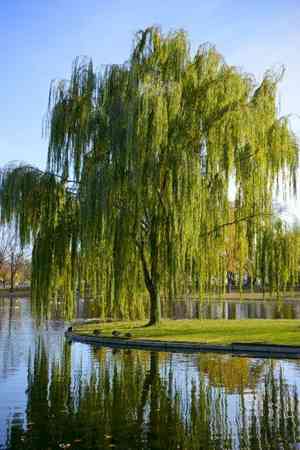
1
Weeping willows flourish optimally with a well-proportioned fertilizer having equivalent amounts of nitrogen, phosphorus, and potassium.
2
Regular spring fertilization promotes vigorous development in Weeping willow trees.
3
Natural fertilizers enhance soil quality, whereas synthetic fertilizers provide rapid nutrient uptake.
Grasping the Nutritional Requirements of Weeping Willow
Crucial Nutrients for Robust Development
Weeping willows are rapidly growing trees that demand a consistent supply of nutrients to achieve their full potential. Key elements include nitrogen (N), which fosters lush, green foliage; phosphorus (P), vital for root formation; and potassium (K), essential for overall plant wellness and disease resistance. Ensuring a balanced provision of these nutrients will aid Weeping willow trees in thriving.
Indicators of Nutrient Deficiencies
Recognizing symptoms of nutrient shortages can help you resolve issues before they impede your tree's development. Common signs include yellowing leaves, stunted growth, or fragile branches. Furthermore, a lack of phosphorus might lead to poor root growth, while potassium deficiency can render the tree more vulnerable to illnesses. Observing these indicators ensures your Weeping willow receives the necessary nutrients.
Selecting the Appropriate Fertilizer for Weeping Willow
Fertilizer Varieties Suitable for Willows
Several fertilizer types are appropriate for Weeping willow trees. Balanced fertilizers with an equal N-P-K ratio (e.g., 10-10-10) are excellent for general development. Slow-release fertilizers are also beneficial as they deliver a steady nutrient supply over time. For an environmentally friendly option, consider organic fertilizers like compost or manure, which enrich soil structure while providing vital nutrients.
Organic vs. Synthetic Fertilizers: Advantages and Disadvantages
Each fertilizer type possesses its benefits and drawbacks. Organic fertilizers, such as compost and bone meal, enhance soil health and promote long-term growth. However, they may take longer to show effects. Chemical fertilizers, conversely, offer immediate nutrients that plants can quickly absorb, leading to faster growth spurts. The downside is they can sometimes harm beneficial soil microorganisms and may result in nutrient runoff.
Applying Fertilizer to Weeping Willow
Determining the Optimal Fertilization Period
The best time to fertilize your Weeping willow is in early spring. This timing ensures the tree has access to essential nutrients as it enters its peak growth phase. Fertilizing in spring helps boost leaf production, root development, and overall vigor. Avoid fertilizing in late summer or autumn, as this can stimulate new growth that may not harden off before winter.
Application Methods for Effective Nutrient Uptake
Distribute fertilizer evenly around the tree's drip lineâthe area beneath the outermost tree branches. This ensures nutrients reach the entire root system effectively. Use a garden fork to gently work the fertilizer into the topsoil, which helps prevent runoff and ensures better absorption. Water the area thoroughly after applying fertilizer to help dissolve and distribute the nutrients.
Monitoring and Adjusting Fertilization Practices
Tracking Growth and Health After Fertilization
Following fertilization, observe your Weeping willow for indications of improved health and growth. Healthy willows should display vibrant green leaves, strong branches, and significant annual development. Regularly inspect the tree for any unusual signs such as discolored foliage or weak growth patterns, which could suggest the need for additional fertilization or other interventions.
When to Modify Fertilization Schedules
Adjust your fertilization schedule based on the tree's growth and health. If the willow shows signs of nutrient deficiencies or stunted growth, you might need to increase the frequency or amount of fertilizer. Conversely, if the tree exhibits excessive, rapid growth, reduce fertilization to prevent potential structural weaknesses. Always customize your approach based on the tree's performance throughout the growing season.



