Optimal Fertilizer for Growing Redvein dock: What You Need to Know
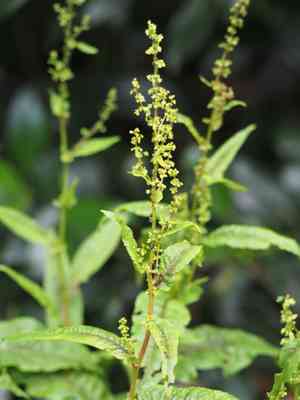
1
Redvein dock flourishes optimally in soil having a pH range of 6.0 to 7.0.
2
Excessive fertilization may cause nutrient leaching, negatively impacting adjacent flora and aquatic environments.
3
The ideal periods for fertilizing Redvein dock, encouraging vigorous development, are spring and summer.
Understanding the Nutritional Needs of Redvein dock
Essential Nutrients for Healthy Growth
For your Redvein dock to flourish, comprehending its dietary requirements is vital. This plant thrives on a balanced intake of key nutrients, primarily nitrogen (N), phosphorus (P), and potassium (K). Nitrogen promotes lush, green foliage; phosphorus is crucial for root development and flowering; and potassium enhances the plant's overall vigor and disease resistance. Trace elements like magnesium, calcium, and iron also play a significant role in maintaining the vibrant red veins on the leaves. Ensuring these nutrients are present in the soil will help your Redvein dock thrive.
Signs of Nutrient Deficiencies in Redvein dock
Identifying nutrient deficiency symptoms in your Redvein dock can prevent severe health issues. Watch for pale or yellow leaves, often indicating a nitrogen shortage. Phosphorus deficiency might appear as stunted growth and dark green or purplish foliage. Yellowing leaf margins suggest a lack of potassium. Micronutrient deficiencies can cause discoloration, spotting, or malformed leaves. Regular plant inspection and observing these indicators can help you take prompt corrective action, ensuring your Redvein dock stays healthy.
Choosing the Right Fertilizer for Redvein dock
Types of Fertilizers: Organic vs. Synthetic
When fertilizing your Redvein dock, you have two main choices: organic or synthetic fertilizers. Organic options, such as compost, manure, and bone meal, release nutrients slowly and improve soil structure, fostering long-term soil health. Conversely, synthetic fertilizers offer a rapid nutrient boost and are formulated with precise nutrient ratios, simplifying the correction of specific deficiencies. However, overuse can lead to nutrient imbalances. Balancing these choices based on your plant's immediate needs and long-term soil health is crucial for optimal Redvein dock care.
Best Fertilizers for Redvein dock Growth
For optimal Redvein dock growth, consider a balanced fertilizer with a 10-10-10 N-P-K ratio. This provides an equal proportion of essential nutrients. If soil tests reveal specific deficiencies, select a fertilizer that addresses those needs. For instance, a high-nitrogen fertilizer can be beneficial during early growth, while a phosphorus-rich one supports root development. Organic choices like well-rotted compost or worm castings are excellent for maintaining soil health while supplying consistent nutrients. Always follow manufacturer instructions to prevent over-fertilization.
Optimal Fertilizing Techniques for Redvein dock
When to Fertilize Your Redvein dock
Timing is critical for fertilizing Redvein dock. The best seasons for nutrient application are spring and summer. This is when the plant is actively growing and can best utilize the nutrients. Begin fertilizing in early spring as the plant emerges from dormancy to encourage new growth. Continue feeding throughout the summer, but decrease frequency as autumn approaches to allow the plant to prepare for its dormant winter period. By adhering to this seasonal schedule, you ensure your Redvein dock receives nutrients when most needed.
How to Apply Fertilizer Effectively
Effective fertilizer application ensures your Redvein dock absorbs maximum nutrients with minimal waste. Follow these steps:Water the plant thoroughly the day before fertilizing to prevent root burn.Apply the fertilizer evenly around the base, avoiding direct contact with stems and leaves.For granular fertilizers, gently rake them into the soil and water again to activate nutrients.For liquid fertilizers, follow dilution instructions carefully and apply during cooler parts of the day to reduce evaporation.Monitor your plant's response and adjust frequency and amount based on its growth and health.
Maintaining Soil Health for Redvein dock
Methods to Enhance Soil Fertility
Sustaining soil fertility is vital for the continuous health of your Redvein dock. Begin by regularly incorporating organic matter like compost or aged manure to improve soil structure and nutrient content. Practicing crop rotation and integrating cover crops can also help replenish nutrients naturally. Mulching is another effective method, aiding in moisture retention, weed suppression, and gradually adding organic matter as it breaks down. Periodic soil tests can offer insights into specific nutrient requirements and help customize your fertilization approach for optimal plant health.
Monitoring Soil Conditions Over Time
Regularly assessing soil conditions is essential for maintaining a healthy growing environment for your Redvein dock. Conduct annual soil tests to check pH levels and nutrient content. Aim for a soil pH between 6.0 and 7.0. Observe soil texture and drainage; both compacted soil and waterlogged conditions can be detrimental. Adjust your watering and fertilization practices based on seasonal changes and plant needs. Continuous observation and timely intervention are key to ensuring your Redvein dock has a fertile and supportive soil environment throughout its growth cycle.



