Optimal Fertilizer for Growing Cutleaf coneflower: What You Need to Know
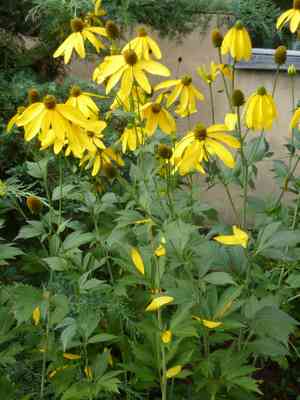
1
Following fertilization, always thoroughly irrigate Cutleaf coneflower to aid nutrient absorption by the roots.
2
Employing a slow-acting fertilizer can decrease application frequency and ensure more steady nutrient supply.
3
Incorporating compost into the soil not only supplies nourishment but also enhances soil composition and moisture retention.
Understanding the Nutritional Needs of Cutleaf coneflower
Essential Nutrients for Healthy Growth
The Cutleaf coneflower, a vibrant and resilient perennial, thrives when provided with a balanced diet of essential nutrients. The main nutrients required include nitrogen (N), phosphorus (P), and potassium (K). Nitrogen promotes healthy leaf and stem growth, phosphorus supports strong root development, while potassium enhances overall plant vigor and disease resistance. Additionally, trace minerals, such as magnesium, calcium, and sulfur, are vital for various physiological processes within the plant. Ensuring your Cutleaf coneflower receives these nutrients will lead to stunning blooms and lush foliage.
Signs of Nutritional Deficiencies
Identifying nutritional deficiencies early can save your Cutleaf coneflower from stunted growth or poor blooming. One tell-tale sign of nitrogen deficiency is yellowing leaves, starting with the older ones. Phosphorus shortages can result in dark green or purple-tinged leaves and diminished root growth. Potassium deficiency often manifests as browning or yellowing leaf edges. By keeping an eye out for these symptoms, you can swiftly address issues and get your plant back to health.
Choosing the Right Fertilizer for Cutleaf coneflower
Organic vs. Synthetic Fertilizers
Both organic and synthetic fertilizers have their benefits and can be used effectively to nourish your Cutleaf coneflower. Organic fertilizers, such as compost, manure, and bone meal, provide nutrients slowly over time and improve soil structure. They also encourage beneficial microbial activity in the soil. Synthetic fertilizers, on the other hand, offer quick and precise nutrient delivery, allowing for more immediate results. Choose the type that best fits your gardening style and the specific needs of your plants.
Recommended NPK Ratios
For optimal growth of your Cutleaf coneflower, look for a fertilizer with a balanced or slightly higher phosphorus content, such as a 10-10-10 or 5-10-5 NPK ratio. The balanced ratio ensures that all essential nutrients are adequately supplied to support leaf, stem, and root growth. When selecting a fertilizer, always read the label to ensure it meets the specific nutrient requirements of your plant.
Best Practices for Fertilizing Cutleaf coneflower
When to Fertilize for Optimal Results
The best time to fertilize your Cutleaf coneflower is in the early spring, just as new growth begins to emerge. Fertilizing in the spring ensures that the plant has access to essential nutrients throughout the growing season, leading to vigorous growth and abundant blooms. Avoid fertilizing late in the growing season, as this can stimulate new growth that may not harden off before winter, making the plant more susceptible to frost damage.
How Often to Apply Fertilizer
Generally, fertilizing your Cutleaf coneflower once or twice a year is sufficient. A single application in the spring, using a slow-release fertilizer, can provide nutrients over several months. If using a liquid fertilizer, you may need to reapply every 4 to 6 weeks during the growing season. Always follow the instructions on the fertilizer label to avoid over-fertilization, which can harm the plant.
Application Techniques to Maximize Effectiveness
To ensure your Cutleaf coneflower gets the most benefit from fertilization, apply the fertilizer evenly around the base of the plant, keeping it at least 1-2 inches (2.5-5 cm) from the stem to avoid burning. Gently work the fertilizer into the topsoil and water thoroughly to help the nutrients penetrate the root zone. For liquid fertilizers, follow the recommended dilution rates and apply directly to the soil, avoiding foliage contact.
Environmental Considerations When Fertilizing
Impact of Fertilizer on Soil Health
Fertilizers can influence soil health, both positively and negatively. Organic fertilizers boost soil structure, water retention, and microorganism activity, benefitting long-term soil health. However, excessive use of synthetic fertilizers can lead to soil compaction, decreased microbial diversity, and nutrient imbalances. Rotate fertilizers and incorporate organic matter to maintain a healthy soil profile.
Mitigating Runoff to Protect Ecosystems
Runoff from fertilized gardens can pose environmental hazards by contaminating water bodies and damaging ecosystems. To minimize runoff, always apply fertilizers according to the recommended rates and timing. Use mulching and proper watering practices to reduce soil erosion, and consider installing rain gardens or buffer strips to catch and filter runoff before it reaches streams or lakes.



