Optimal Fertilizer for Growing French rose: What You Need to Know
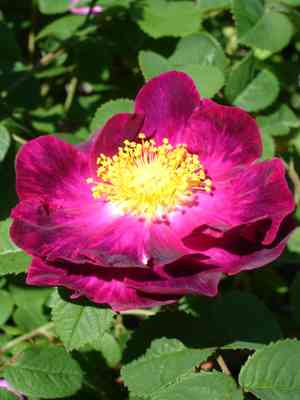
1
French roses flourish optimally with early spring fertilization to bolster their flowering period.
2
Always hydrate your French rose prior to and following nutrient application to guarantee uniform nutrient spread.
3
Applying mulch aids in preserving soil nutrients and dampness, thereby enhancing the efficacy of your fertilizing endeavors.
Understanding French Rose Nutritional Requirements
Key Nutrients for Robust Development
Like all plants, your French rose requires specific elements to thrive. The main nutrients are Nitrogen (N), Phosphorus (P), and Potassium (K), often called NPK. Nitrogen is vital for rich, green leaves, phosphorus aids root growth and flower production, and potassium boosts overall plant health and disease resistance. French roses also benefit from secondary nutrients such as calcium, magnesium, and sulfur.
Indicators of Nutrient Shortage in French Rose
Early detection of nutrient deficiencies can prevent severe harm to your French rose. Common symptoms include yellowing leaves, stunted development, and poor flowering. Yellow foliage often signals a nitrogen deficit, while insufficient phosphorus typically results in sparse blooms. Potassium deficiency might appear as browning leaf edges. Promptly recognizing and addressing these signs will keep your roses vibrant and healthy.
Selecting the Appropriate Fertilizer for French Rose
Comparing Natural vs. Synthetic Plant Foods
When nourishing your French rose, you can choose between organic and synthetic fertilizers. Organic options, derived from natural sources like compost and manure, release nutrients slowly, enhancing soil structure over time. Synthetic fertilizers, conversely, offer a more immediate nutrient boost. Both types have advantages and disadvantages, but many gardeners prefer organic choices for their sustainability and soil benefits.
Seasonal Fertilizer Choices
Spring is the ideal time to fertilize your French rose. During this period, the plant emerges from dormancy and prepares for its blooming phase. A balanced fertilizer with an NPK ratio of 10-10-10 or 12-6-6 is often suggested for spring application. As the season progresses, switch to a formula richer in phosphorus to encourage flowering. Autumn fertilization can also be beneficial, supplying essential nutrients to the plant's roots before winter dormancy.
Frequency of French Rose Fertilization
Fertilization Schedule for Peak Blooms
For optimal results, fertilize your French rose in early spring and continue every four to six weeks until late summer. This regimen ensures a steady nutrient supply throughout the growing season, promoting lush foliage and abundant flowers. Avoid fertilizing during extreme heat or late fall, as this can stress the plant.
Adjusting Fertilization Based on Plant Vigor and Season
It's crucial to modify your fertilization schedule according to your French rose's health and requirements. If your plant shows signs of nutrient deficiency, you might need to increase the frequency or amount of fertilizer. Conversely, if the plant is growing vigorously and blooming profusely, you could reduce the frequency to prevent over-fertilization. Always consider the season, as different growth stages have varying nutrient demands.
Application Methods for French Rose Fertilization
Correct Techniques for Applying Fertilizer
The effectiveness of your fertilizer largely depends on its application. Begin by saturating the soil around your French rose to prevent root burn. Apply the fertilizer evenly, keeping it away from the plant's base to avoid direct root contact. Water the plant thoroughly after application to help distribute nutrients. Granular fertilizers should be worked into the topsoil layer, while liquid fertilizers can be applied with a watering can.
Common Fertilization Errors to Avoid
Steer clear of common mistakes like over-fertilizing, which can cause nutrient burn and harm your French rose. Similarly, under-fertilizing won't provide enough nutrients for optimal growth. Always adhere to the recommended dosage and frequency on the fertilizer packaging. Another frequent error is neglecting to water the plant before and after fertilization, which can lead to uneven nutrient distribution and root burn. Finally, ensure you're using the correct fertilizer type for your plant's specific season and growth stage.



