Optimal Fertilizer for Growing Staghorn sumac: What You Need to Know
1
Apply a well-balanced, extended-release plant food for superior outcomes.
2
Nourish your plant in springtime to encourage peak development.
3
Observe the plant's condition to modify feeding as required.
Understanding the Nutritional Needs of Staghorn sumac
Essential Nutrients for Healthy Growth
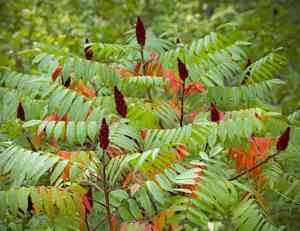
For optimal development, Staghorn sumac requires a balanced supply of vital nutrients. The primary macronutrients needed are nitrogen (N), phosphorus (P), and potassium (K). Nitrogen is crucial for foliage development, phosphorus for root growth and flower production, and potassium for overall plant vigor and disease resistance. A well-balanced soil with these nutrients supports the vivid autumn colors and abundant growth characteristic of the Staghorn sumac.
Signs of Nutrient Deficiencies
Nutrient deficiencies can manifest in various ways. For Staghorn sumac, common indicators include yellowing leaves, stunted development, and poor leaf formation. Yellowing or browning leaf edges might indicate a lack of potassium, while purplish leaves often suggest phosphorus deficiency. Regular inspection of your plant for these signs can help you quickly correct any imbalances.
Choosing the Right Fertilizer for Staghorn sumac
Organic vs. Synthetic Fertilizers
The choice between organic and synthetic fertilizers depends on your gardening preferences and objectives. Organic fertilizers, such as compost or manure, release nutrients gradually and enhance soil structure. They are eco-friendly and support sustainable gardening practices. Synthetic fertilizers, conversely, offer immediate nutrient availability, allowing for more precise control over nutrient application. Both types can be effective for Staghorn sumac, with organic options being a good long-term investment in soil health.
Recommended NPK Ratio
For Staghorn sumac, a balanced NPK ratio of 10-10-10 or 20-20-20 is most effective. This ratio ensures the plant receives equal amounts of nitrogen, phosphorus, and potassium, promoting balanced growth. It's crucial to adhere to the manufacturer's instructions on the packaging to prevent over-fertilization, which can harm the plant and the environment.
Best Time to Fertilize Staghorn sumac
Seasonal Fertilization Schedule
The ideal time to fertilize Staghorn sumac is in the spring. As the plant emerges from dormancy, it needs a nutrient boost to support the vigorous growth that occurs during this season. Apply fertilizer once in early spring and monitor the plant's response throughout the growing season to determine if additional feedings are necessary.
Adjusting Fertilization Based on Plant Health and Age
Young Staghorn sumac plants may require a slightly higher concentration of nutrients compared to established ones, as they are developing their root system and overall plant structure. Conversely, mature plants might need less frequent fertilization. Always look for signs of nutrient deficiencies or excesses, which can help you customize your fertilization practices based on the plant's specific needs and conditions.
How to Apply Fertilizer to Staghorn sumac
Step-by-Step Fertilizer Application Process
Fertilizing Staghorn sumac involves several straightforward steps:Choose a mild day in early spring for fertilizer application.Measure the appropriate amount of fertilizer based on your plant's size and follow package instructions.Evenly distribute the fertilizer around the plant's base, extending to the drip line.Lightly rake the fertilizer into the soil to ensure it reaches the root zone.Water the area thoroughly to help dissolve the fertilizer and carry nutrients to the roots.Monitor the plant over the following weeks to observe its response and adjust future applications accordingly.
Common Mistakes to Avoid When Fertilizing
Avoiding these common errors can ensure your Staghorn sumac benefits most from fertilization:Over-fertilizing: Excessive nutrients can burn the plant's roots and compromise its health.Incorrect timing: Applying fertilizer too late or too early can reduce its effectiveness.Uneven application: Spreading fertilizer inconsistently can lead to nutrient imbalances in different parts of the plant.Ignoring soil health: Healthy soil is the foundation of a healthy plant. Regularly test your soil and amend it as needed to maintain balanced fertility levels.
Monitoring and Adjusting Fertilization for Staghorn sumac
Observing Plant Response Post-Fertilization
After applying fertilizer, observe your plant regularly for signs of response. Healthy Staghorn sumac plants will display vibrant foliage, robust growth, and no deficiency symptoms. If the plant appears stressed or shows signs of nutrient overload (such as leaf burn or excessive growth at the expense of root development), you might need to adjust your fertilization approach.
When to Consider Reapplying Fertilizer
Generally, a single application in spring is sufficient, but there are instances where an additional round of fertilization is beneficial. If the plant shows signs of nutrient deficiency mid-season or if it's grown in poor soil, consider a light reapplication of a balanced fertilizer. Always reassess the plant's health and soil conditions before deciding to reapply to avoid over-fertilization.



