Optimal Fertilizer for Growing Lemonade Berry: What You Need to Know
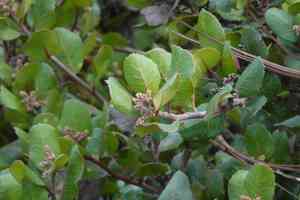
1
Lemonade Berry thrives in soil that drains effectively, preventing root decay and problems caused by excessive watering.
2
Applying organic mulch once a year can aid in moisture retention and enhance the soil's condition.
3
Periodically inspect your Lemonade Berry's foliage to detect nutrient deficiencies early.
Understanding the Nutritional Needs of Lemonade Berry
Essential Nutrients for Lemonade Berry
The Lemonade Berry, or Rhus integrifolia, flourishes with balanced nourishment. Key required nutrients are Nitrogen (N), Phosphorus (P), and Potassium (K). Nitrogen encourages abundant leaf development, Phosphorus aids root growth and bloom production, and Potassium boosts the plant's overall vigor. Additionally, micronutrients such as Iron, Magnesium, and Calcium support the plant's metabolic functions. Ensuring your Lemonade Berry receives comprehensive nutrient provision will promote strong growth and vivid foliage.
Signs of Nutrient Deficiency in Lemonade Berry
Early detection of nutrient shortages can help prevent damage. Common indicators include yellowing leaves, stunted development, and poor blooming. For example, a nitrogen deficit might cause older leaves to yellow, while a lack of phosphorus can result in weak stems and limited flowering. If these symptoms appear, it's vital to modify your feeding strategy to replenish missing nutrients and restore the plant's health.
Choosing the Right Fertilizer for Lemonade Berry
Types of Fertilizers Suitable for Lemonade Berry
When selecting a fertilizer for your Lemonade Berry, a balanced blend like a 10-10-10 or 20-20-20 formula is ideal, providing equal parts Nitrogen, Phosphorus, and Potassium. These general-purpose fertilizers meet the plant's fundamental nutritional requirements. Furthermore, slow-release fertilizers are excellent as they deliver a consistent feed over time, minimizing the risk of over-fertilization.
Organic vs. Chemical Fertilizers: Which is Best?
Both organic and synthetic fertilizers have advantages and disadvantages. Organic fertilizers, derived from natural sources like compost or manure, enhance soil structure and foster beneficial microbial activity. They release nutrients gradually, reducing burn risk but potentially offering slower nutrient availability. Chemical fertilizers provide an immediate nutrient boost, useful for quick deficiency correction, but can cause nutrient runoff and soil degradation if overused. A balanced approach often works best, incorporating both types based on the plant's needs and soil condition.
How to Apply Fertilizer to Lemonade Berry
Step-by-Step Fertilizing Technique
To fertilize your Lemonade Berry, follow these steps:Measure the recommended fertilizer amount based on your plant's size and age.Distribute the fertilizer evenly around the plant's base, maintaining a safe distance from the trunk to prevent root burn.Gently incorporate the fertilizer into the topsoil using a hand rake or trowel.Water the plant thoroughly to help nutrients penetrate the soil and reach the roots. Continuously observe the plant to ensure it responds well to the feeding.
Best Time of Year for Fertilizing Lemonade Berry
Spring is the prime season to fertilize your Lemonade Berry. As the plant emerges from dormancy and enters its active growth phase, it requires a nutrient influx to support new leaf and flower production. Applying fertilizer at the start of spring ensures the plant has ample resources to thrive throughout the growing season. Avoid fertilizing late in the season, which can stimulate new growth vulnerable to early frosts.
Common Mistakes to Avoid When Fertilizing Lemonade Berry
Over-Fertilizing and Its Impact
Excessive fertilization is a common error that can harm your Lemonade Berry. Too many nutrients can lead to 'fertilizer burn,' causing leaves to yellow, brown, or even perish. It can also encourage excessive growth that weakens the plant's structure and makes it more susceptible to pests and diseases. Always adhere to recommended guidelines and opt for slow-release fertilizers when possible to prevent these issues.
Ignoring Soil pH and Its Effects on Fertilizer Efficacy
Soil pH significantly impacts nutrient availability and absorption. Lemonade Berry prefers slightly acidic to neutral pH levels (6.0-7.0). If the soil is too acidic or too alkaline, essential nutrients can become either unavailable or overly available, leading to toxicity. Regularly test your soil's pH and adjust as needed to ensure your fertilizer application is effective and your plant can access all necessary nutrients.
Monitoring Lemonade Berry After Fertilization
Observing Growth Patterns & Adjusting Fertilization
After fertilizing, closely observe your Lemonade Berry for changes in growth and overall health. Look for vibrant green leaves, increased flowering, and new shoots. If the plant responds well, you've likely provided the correct amount of fertilizer. However, if you notice any problems, such as yellowing leaves or stunted growth, re-evaluate your fertilization schedule and quantities. Adjusting these can help optimize nutrient uptake and promote continued healthy growth.
When to Seek Expert Advice on Lemonade Berry Care
If you're uncertain about any aspect of fertilizing your Lemonade Berry, or if the plant shows persistent signs of distress despite your efforts, it might be time to consult a plant care expert or horticulturist. They can offer tailored advice based on a thorough analysis of your plant's needs and soil condition, ensuring you adopt the best approach to care for your Lemonade Berry.



