Optimal Fertilizer for Growing Indian hawthorn: What You Need to Know
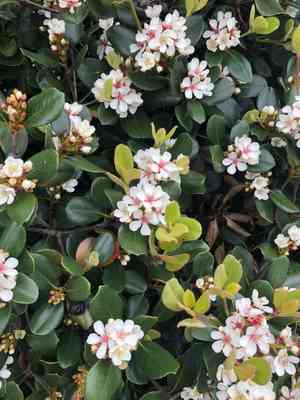
1
Indian hawthorn flourishes optimally with a balanced 10-10-10 plant food in springtime.
2
Granular fertilizers that release slowly are perfect for guaranteeing steady nutrient supply.
3
Excessive fertilization may cause nutrient damage, thus adhering to suggested amounts is vital.
Understanding Fertilization Needs of Indian hawthorn
Essential Nutrients for Healthy Growth
To keep your Indian hawthorn thriving and vibrant, it's crucial to supply vital nutrients like nitrogen, phosphorus, and potassium. These elements support various growth aspects. Nitrogen promotes abundant, green foliage; phosphorus aids root development and blooming, while potassium boosts overall plant health and disease resistance. Furthermore, adding trace elements such as iron and magnesium can enhance your plant's vitality.
Signs of Nutrient Deficiencies
Early detection of nutrient deficiencies allows for prompt intervention. Common indicators include yellowing leaves, stunted development, and poor flowering. For example, a lack of nitrogen often presents as pale leaves, while phosphorus deficiency might cause purplish discoloration. Potassium deficiency typically appears as browning leaf edges. By closely observing these signs, you can modify your fertilization strategy to effectively meet the plant's requirements.
Choosing the Right Fertilizer for Indian hawthorn
Types of Fertilizers: Organic vs Synthetic
When selecting a fertilizer for your Indian hawthorn, you have the choice between organic and synthetic options. Organic fertilizers, like compost and manure, are excellent for gradual, sustained nutrient release and improving soil quality. Conversely, synthetic fertilizers offer more immediate nutrient availability and precise formulations. Both types have benefits, and the decision often depends on your gardening objectives and preferences.
Specific Formulations for Flowering Shrubs
For optimal results, utilize fertilizers specifically designed for flowering shrubs. These typically contain balanced nutrients, such as a 10-10-10 (N-P-K) ratio, which is ideal for Indian hawthorn. Such formulations support both vegetative growth and blooming, ensuring your plant not only appears lush but also produces beautiful flowers.
Optimal Fertilizing Schedule for Indian hawthorn
Best Times to Fertilize Throughout the Year
Spring is the ideal season to begin fertilizing your Indian hawthorn. This period aligns with the plant's active growth phase, facilitating better nutrient absorption. Additionally, you can provide a second, lighter feeding in mid-summer to support continuous growth and flowering. Avoid fertilizing in late autumn or winter when the plant is dormant, as this can lead to nutrient waste and potential harm.
Adjusting Schedule Based on Plant's Response
Each Indian hawthorn may react differently to fertilization, so monitoring the plant's response is crucial. If you observe vigorous growth and vibrant blooms, your schedule is likely effective. However, if growth is slower and leaves seem stressed, consider altering the frequency or type of fertilizer. Remember, less is often more with fertilizing; avoid over-feeding as it can cause nutrient burn and other problems.
Application Techniques for Fertilizing Indian hawthorn
Proper Techniques for Even Distribution
To ensure uniform nutrient distribution, apply the fertilizer evenly around the Indian hawthorn's root zone. Use a rake to gently incorporate granular fertilizers into the soil. For liquid fertilizers, dilute them according to instructions and water the plant's base. Always follow with thorough watering to help nutrients reach the root system effectively.
Avoiding Common Mistakes in Fertilizer Application
Do not apply fertilizer directly against the plant stem, as this can cause damage. Over-fertilizing is another frequent error that can lead to excessive salts in the soil, ultimately harming the roots. Adhere to recommended dosages and timing intervals. Finally, always test your soil periodically to ensure you are not lacking essential nutrients or inadvertently creating imbalances.



