Optimal Fertilizer for Growing Emerald tree: What You Need to Know
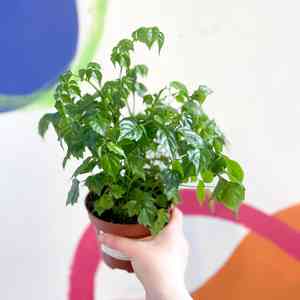
1
The Emerald tree flourishes with a well-rounded nutrient supply for vibrant leaves.
2
Observe for foliage discoloration, indicating a lack of essential nutrients.
3
Apply a weakened fertilizer mixture to prevent damage to the root system.
Grasping the Nutrient Requirements of Emerald tree
Key Nutrients for Emerald tree Development
Your Emerald tree thrives best with a well-rounded fertilizer containing nitrogen (N), phosphorus (P), and potassium (K), commonly known as a complete NPK blend. Nitrogen is vital for lush, green foliage, while phosphorus aids robust root growth and blooming. Potassium enhances overall plant resilience, helping your tree endure environmental stressors. Trace elements like iron, magnesium, and calcium are also crucial for maintaining your Emerald tree's health and vitality.
Indicators of Nutrient Deficiencies in Emerald tree
Nutrient shortages in Emerald tree often show up in its leaves. Typical signs include yellowing leaves, which may signal a nitrogen deficit, and stunted growth, possibly indicating insufficient phosphorus. Brown or yellow leaf edges could point to a potassium deficiency. Additionally, pale or chlorotic leaves might suggest a lack of iron or magnesium. Regular plant inspection and appropriate fertilization adjustments are essential for preserving its health and vigor.
Selecting the Appropriate Fertilizer for Emerald tree
Organic vs. Synthetic Fertilizers: Which is Optimal for Emerald tree?
The choice between organic and synthetic fertilizers can influence your Emerald tree's well-being. Organic options, such as compost or aged manure, release nutrients gradually and enhance soil quality over time, providing a consistent nutrient supply. Conversely, synthetic fertilizers deliver nutrients rapidly and typically offer more precise nutrient ratios. Both types can be effective, but a balanced approach, primarily using organic fertilizers with occasional synthetic boosts, may yield the best outcomes.
Recommended NPK Ratio for Flourishing Emerald tree Foliage
For peak growth, utilize a fertilizer with an NPK ratio of 10-10-10 or 20-20-20, signifying equal parts nitrogen, phosphorus, and potassium. This balanced approach ensures your Emerald tree receives the necessary nutrients for thriving, promoting abundant, green foliage, strong roots, and overall plant health. Dilute the fertilizer to half the suggested strength to prevent over-fertilization and provide a gentle yet steady nutrient delivery.
Ideal Fertilizing Schedule for Emerald tree
Fertilization Frequency for Emerald tree During Active Growth
During the active growth period, especially in summer, your Emerald tree benefits from consistent fertilization. Apply a balanced fertilizer every 2 to 4 weeks. This schedule ensures the plant receives continuous nourishment to support vigorous development. However, be careful not to over-fertilize, as this can harm the plant. Always adhere to the manufacturer's instructions for dilution and application rates.
Winter Care: Adjusting Fertilization for Inactive Months
In the colder months, Emerald tree growth slows down as it enters dormancy. During this time, reduce or completely stop fertilization. Over-fertilizing during dormancy can lead to nutrient accumulation in the soil, potentially causing root damage or other issues. Resume regular fertilization in early spring when the plant begins active growth again.
Applying Fertilizer to Emerald tree
Step-by-Step Guide to Fertilizing Emerald tree
Select the correct fertilizer: Choose a balanced 10-10-10 or 20-20-20 NPK fertilizer.Dilute the fertilizer: Mix it to half strength according to label directions.Hydrate the tree: Ensure the soil is moist before fertilizing to prevent root burn.Apply the fertilizer: Distribute the solution evenly around the tree's base, avoiding direct contact with the trunk.Water again: Gently irrigate the area to help the fertilizer penetrate the soil and reach the roots.
Common Errors to Avoid When Fertilizing Emerald tree
Excessive Fertilization: Too much fertilizer can scorch roots and damage the plant. Always adhere to recommended dosages.Incorrect Timing: Fertilizing too often can cause nutrient overload, while too infrequent application can leave the plant undernourished.Neglecting Soil Moisture: Fertilizing dry soil can harm roots. Always water the soil before and after applying fertilizer.Using the Wrong Ratio: Ensure you're using a balanced fertilizer like 10-10-10 or 20-20-20 for optimal growth.



