Optimal Fertilizer for Growing Water oak: What You Need to Know
1
Nourishing your Water oak in springtime guarantees the tree receives essential nutrients for robust development.
2
Both natural and artificial plant foods can be beneficial, yet selecting one relies on your particular soil and tree requirements.
3
Prioritize safety: Always don gloves and eye coverings when working with plant nutrients.
Understanding the Nutritional Requirements of Water oak
The Significance of Nutrients for Water oak
Nutrients serve as the fundamental components for any plant's development, and the Water oak is no different. These vital elements, including nitrogen, phosphorus, and potassium, facilitate various growth processes. Nitrogen promotes leaf and stem expansion, phosphorus aids in root formation, and potassium assists the tree in building resistance to diseases and pests. Ensuring your Water oak receives a balanced nutrient intake is essential for its vigor, healthy foliage, and overall structural integrity.
Recognizing Indicators of Nutrient Deficiency
Detecting nutrient deficiencies early can prevent potential harm to your Water oak. Common indicators include yellowing leaves, stunted development, and sparse leaf production. If you observe leaves turning brown or dropping prematurely, it might suggest a lack of potassium. Iron deficiency can lead to yellowing between the leaf veins (a condition known as chlorosis). Consistent monitoring of these symptoms can help you take prompt action.
Selecting the Appropriate Fertilizer for Your Water oak
Fertilizer Varieties Suitable for Water oak
Choosing the correct fertilizer depends on your Water oak's specific requirements. For general application, a balanced 10-10-10 (NPK) fertilizer is a good choice, supplying equal proportions of nitrogen, phosphorus, and potassium. If a soil analysis reveals particular nutrient shortages, you might need to adjust these ratios. Slow-release fertilizers are also beneficial as they deliver a consistent supply of nutrients over time, which is particularly advantageous for deep-rooted trees like the Water oak.
Organic Versus Synthetic Fertilizers: Which is Preferable?
The decision between organic and synthetic fertilizers often depends on personal preference and the state of your soil. Organic fertilizers, such as compost and manure, enhance soil structure and encourage microbial activity but release nutrients gradually. Synthetic fertilizers offer immediate nutrient availability and are simple to apply. However, they can sometimes cause nutrient runoff and do not improve soil health long-term. Consider performing a soil test to determine which type will most effectively benefit your Water oak.
Applying Fertilizer to Water oak
Optimal Time to Fertilize Water oak
Spring is the ideal season to fertilize your Water oak, providing the nutrients it requires for the upcoming growing period. Fertilizing in late winter or early spring ensures the tree can absorb the nutrients before its spring growth surge begins. Avoid fertilizing in late summer or fall, as this can stimulate new growth that might not harden before winter, making the tree more vulnerable to damage.
Step-by-Step Fertilization Method
To properly fertilize your Water oak, follow these instructions:Prepare the Area:Clear any grass or debris from the tree's base.Calculate the Quantity:Use the recommended amount of fertilizer based on your tree's size and the product's directions.Apply Evenly:Distribute the fertilizer uniformly around the drip line (the area directly beneath the outer edge of the tree's branches).Water Thoroughly:After application, irrigate the area generously to help the fertilizer penetrate the soil.Mulch:Adding a layer of mulch around the base can help retain moisture and further support nutrient distribution.
Safety Precautions During Fertilization
Handling fertilizers necessitates certain safety measures to protect yourself and the environment. Always wear gloves and eye protection to prevent skin and eye irritation. Adhere to the dosage instructions carefully; over-fertilizing can harm your tree and nearby plants. After application, store any remaining fertilizer in a sealed container, away from children and pets. Finally, avoid applying fertilizers before heavy rains, as this can lead to runoff into local waterways.
Monitoring Water oak After Fertilization
Observing Growth & Health Changes
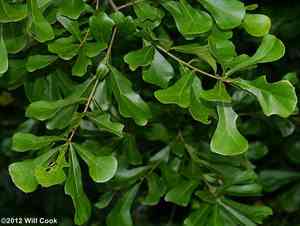
Following fertilization, your Water oak should display signs of improved health and growth. Look for greener, more abundant foliage, and accelerated growth rates. Regularly inspect the leaves for color and vitality; they should maintain a vibrant green hue without yellowing or browning. Also, check the tree's overall structure for any new, healthy branches emerging, which indicates successful nutrient absorption.
When to Seek Professional Advice on Tree Health
If your Water oak shows no improvement after fertilization or if the tree exhibits worsening symptoms, it may be time to consult a professional arborist. Persistent yellowing leaves, poor growth, or visible signs of disease require expert intervention. Professional advice can provide you with a precise nutrient management plan and help diagnose any underlying issues that might not be apparent.



