Optimal Fertilizer for Growing Shingle oak: What You Need to Know
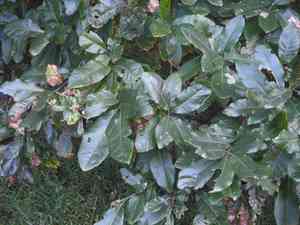
1
Shingle oak thrives with a slow-release plant food given in spring for consistent nourishment during its active growth.
2
Vibrant Shingle oak foliage is dark green; light or yellow leaves may signal a lack of nutrients.
3
Refrain from feeding Shingle oak in late autumn or winter to prevent disrupting its natural resting phase.
Understanding the Nutritional Needs of Shingle oak
Essential Nutrients for Healthy Growth
For optimal development, the Shingle oak requires a balanced intake of vital nutrients. Key elements include nitrogen (N), phosphorus (P), and potassium (K). Nitrogen promotes vibrant, green leaves; phosphorus aids root growth and flower production; and potassium supports overall tree health and disease resistance. Additionally, secondary nutrients like calcium, magnesium, and sulfur, along with micronutrients such as iron, manganese, and zinc, are crucial for maintaining the oak's vigor.
Signs of Nutrient Deficiencies
It's crucial to identify indicators of nutrient deficiencies in your Shingle oak. For instance, a nitrogen shortage often appears as yellowing leaves and stunted development. Oaks lacking phosphorus might display leaves with a purplish hue, especially on older foliage. Insufficient potassium can cause leaf edges to brown and curl. Micronutrient deficiencies typically manifest as chlorosis (yellowing between veins) in younger leaves, frequently linked to iron or manganese shortages. Regular tree observation helps early detection of these issues.
Choosing the Right Fertilizer for Shingle oak
Organic vs. Chemical Fertilizers: Pros and Cons
When selecting a fertilizer, you can choose between organic and synthetic types. Organic fertilizers, such as compost and manure, release nutrients slowly and enhance soil structure over time. They also introduce beneficial microbes to the soil, boosting overall plant health. Conversely, chemical fertilizers offer precise nutrient ratios and are immediately available to plants, but they can degrade soil and may require more frequent applications. The choice often depends on personal preference and the specific needs of your Shingle oak.
Recommended NPK Ratio
For optimal growth, a balanced NPK (nitrogen, phosphorus, potassium) ratio is advised for Shingle oak. A general-purpose fertilizer with a 10-10-10 or 14-14-14 NPK ratio will suffice. However, if a soil analysis reveals specific deficiencies, you might need a formula targeting those particular nutrients. Always follow the manufacturer's instructions for application rates to prevent over-fertilization, which can harm your tree.
When to Fertilize Shingle oak
Best Times of Year for Fertilization
The ideal time to fertilize a Shingle oak is during spring. This period aligns with the tree's active growth phase, enabling it to absorb and utilize nutrients effectively. Fertilizing in early spring (March to April) allows the oak to build a nutrient reserve that will support robust growth throughout the growing season. Avoid fertilizing late in the year as this can disrupt the tree's preparation for dormant winter months.
Understanding Seasonal Growth Cycles
Understanding the Shingle oak's seasonal growth cycles is vital for effective fertilization. In spring, the tree experiences rapid growth, making it an ideal time for nutrient supplementation. During summer, growth slows, but consistent maintenance feeding can support overall health. In autumn, the tree begins preparing for dormancy, rendering fertilization less effective and potentially harmful, as it could stimulate tender growth vulnerable to frost damage.
How to Apply Fertilizer to Shingle oak
Step-by-Step Application Techniques
Applying fertilizer to a Shingle oak involves several steps to ensure effectiveness and safety. First, measure the area beneath the tree's canopy to determine the required fertilizer amount. Spread the fertilizer evenly across the soil surface, avoiding direct contact with the tree trunk. Water the area thoroughly after application to help dissolve nutrients and enhance absorption. For granular fertilizers, lightly rake the soil to incorporate the grains. Repeat this process once per season, preferably in spring, for best results.
Safety Measures and Best Practices
When applying fertilizer, always use protective gear like gloves and masks to prevent direct chemical contact. Store fertilizers in a cool, dry place, away from children and pets. Follow the manufacturer's recommended application rates and avoid over-fertilizing, which can lead to nutrient runoff and environmental pollution. Periodic soil testing is also beneficial to accurately assess nutrient needs and adjust your fertilization practices accordingly.
Monitoring the Effects of Fertilization on Shingle oak
Observing Growth and Health Improvements
After fertilization, closely observe your Shingle oak for signs of improvement. Healthy indicators include lush, green, and abundant foliage, vigorous branch growth, and overall vitality. Pay attention to leaf color and size, as healthier leaves suggest effective nutrient absorption. If you continue to notice deficiency signs, such as yellowing leaves or poor growth, this might indicate a need for soil amendment or a different fertilization strategy.
Adjusting Fertilization Practices Based on Observations
Fertilization should be an adaptive practice based on observations and outcomes. If your Shingle oak isn't showing desired improvements, consider modifying the type or amount of fertilizer. Regular soil testing can offer valuable insights into nutrient levels, helping to customize the fertilization process. Additionally, consulting a local arborist or horticulturist can provide specific recommendations based on your local soil and climatic conditions.



