Optimal Fertilizer for Growing Bradford pear: What You Need to Know
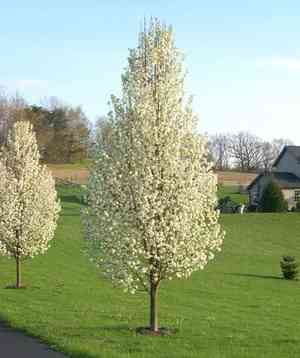
1
Apply fertilizer to Bradford pear trees during early spring to achieve optimal outcomes.
2
Monitor for foliage yellowing or inhibited development, which can indicate insufficient nutrients.
3
Natural fertilizers enhance soil quality over an extended period, whereas chemical fertilizers offer immediate nutrient boosts.
Understanding Fertilizer Needs of Bradford pear
Nutrient Requirements for Optimal Growth
For balanced and strong development, Bradford pear trees require a complete spectrum of nutrients, including nitrogen (N), phosphorus (P), and potassium (K). Each nutrient serves a vital function: nitrogen promotes lush green foliage, phosphorus strengthens root systems and supports blossom and fruit formation, while potassium boosts overall plant resilience and disease resistance. Applying a balanced 10-10-10 NPK fertilizer can supply these essential nutrients in equal measure, addressing the tree's comprehensive nutritional demands.
Signs of Nutrient Deficiencies in Bradford pear
Recognizing nutrient deficiencies can prevent serious health issues for Bradford pear trees. Typical indicators include yellowed leaves, stunted development, poor flower and fruit yield, and leaf shedding. Nitrogen insufficiency often manifests as a general yellowing of older leaves, while a lack of phosphorus may cause purplish leaf discoloration and reduced vigor. Potassium deficiency can lead to browning or scorching along leaf edges. Consistent observation and prompt action can mitigate these problems.
Best Season for Fertilizing Bradford pear
Spring is the ideal time to fertilize Bradford pear trees. As the tree awakens from winter dormancy, it enters a phase of rapid growth where it can efficiently absorb and utilize nutrients. Early spring fertilization ensures the tree has the necessary nourishment to support new leaf and flower development. It's advisable to apply fertilizers as buds begin to swell, preparing the tree for a thriving growing season.
Choosing the Right Fertilizer for Bradford pear
Types of Fertilizers: Organic vs Synthetic
When selecting fertilizers for your Bradford pear, it's crucial to consider the advantages of organic versus synthetic options. Organic fertilizers, such as compost and aged manure, enrich the soil with natural nutrients and enhance soil structure over time. They release nutrients gradually, ensuring a consistent supply. Synthetic fertilizers, conversely, offer immediate nutrient availability and can quickly correct deficiencies. However, they don't contribute to long-term soil health. Combining both types can provide the best of both worlds: rapid nutrient fixes and sustained soil improvement.
Specific Formulations Beneficial for Bradford pear
Bradford pear trees benefit considerably from balanced fertilizers like 10-10-10 formulations, which guarantee a steady supply of nitrogen, phosphorus, and potassium. Additionally, slow-release fertilizers can be advantageous as they provide nutrients gradually throughout the growing season. Specialty fertilizers formulated for flowering trees and shrubs are also excellent choices, supplying the micronutrients necessary for robust growth and vibrant blooms. Always adhere to the manufacturer's directions to prevent over-fertilization, which can harm the tree.
How to Apply Fertilizer to Bradford pear
Step-by-Step Fertilization Technique
Applying fertilizer to a Bradford pear tree involves a few simple steps. First, identify the tree's canopy drip line, as this is where the root zone is most active. Distribute the fertilizer evenly in a circular pattern extending to this drip line. For granular fertilizers, gently rake the area to incorporate the granules into the soil. Water the tree thoroughly to help the fertilizer penetrate the ground. For liquid fertilizers, mix according to the manufacturer's instructions and apply with a watering can or sprayer, ensuring even coverage around the root zone.
Frequency and Timing of Fertilization
Fertilizing Bradford pear trees once annually in early spring is generally sufficient. However, trees in poor soil or exhibiting signs of nutrient deficiency may benefit from a second light application in late spring or early summer. Avoid fertilizing late in the season, as it can stimulate new growth vulnerable to winter damage. Regular soil testing can guide the frequency and amount of fertilizer needed, ensuring a customized fertility plan that meets the tree's specific requirements.
Common Mistakes to Avoid While Fertilizing
Prevent common fertilization errors with Bradford pear trees for healthy development. Over-fertilization can result in nutrient burn, characterized by scorched leaf edges and poor growth. Always follow recommended dosage instructions. Avoid applying fertilizer too close to the tree trunk, which can damage the root collar. Instead, focus on the tree's canopy drip line. Also, never apply fertilizer to dry soil; ensure the area is adequately watered to facilitate nutrient absorption. Finally, avoid fertilizing in late fall or winter, as it can stimulate growth prone to frost damage.
Monitoring the Health of Bradford pear After Fertilization
Indicators of Successful Fertilization
After fertilization, observe the Bradford pear tree for signs of improved health. Indicators of effective fertilization include vibrant green leaves, vigorous new growth, and increased flower and fruit production. Healthy trees will also demonstrate resistance to pests and diseases. Consistent observations throughout the growing season can help assess the effectiveness of your fertilization efforts and guide any necessary adjustments.
Adjusting Fertilization Practices Based on Tree Response
Each Bradford pear tree reacts differently to fertilization, and it's crucial to adapt practices based on observed results. If growth appears strong but foliage is pale, increasing nitrogen may be necessary. Conversely, if there is abundant leafy growth but poor flowering, increasing phosphorus might help. Regular soil testing provides insights into nutrient levels, allowing for fine-tuning of fertilization strategies to match the tree's specific needs. Adopting a responsive approach ensures that your Bradford pear receives the precise care it needs for long-term health and vitality.



