Optimal Fertilizer for Growing Chickasaw plum: What You Need to Know
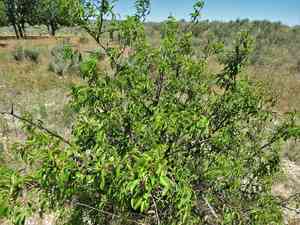
1
The optimal time to fertilize your Chickasaw plum is in early spring, coinciding with the tree's emergence from dormancy.
2
Organic fertilizers enhance the soil's composition over time, offering sustained advantages for your Chickasaw plum.
3
Excessive fertilization can cause nutrient disparities and potentially damage your Chickasaw plum â apply sparingly!
Understanding the Nutritional Requirements of Chickasaw Plum
Essential Nutrients for Chickasaw Plum
Like all flora, the Chickasaw plum requires various nutrients to flourish. The primary macronutrients vital for robust development include nitrogen (N), phosphorus (P), and potassium (K). Nitrogen promotes abundant, green foliage, phosphorus is crucial for strong root growth and flower production, and potassium aids in overall plant vitality and disease resistance. Additionally, trace elements such as magnesium, calcium, and iron are important, though in smaller quantities. Collectively, these nutrients ensure your Chickasaw plum remains vibrant and productive throughout the year.
Indicators of Nutrient Deficiencies in Chickasaw Plum
Detecting nutrient deficiencies early can prevent prolonged stress for your Chickasaw plum. Common signs include yellowing leaves, which may signal a nitrogen deficiency, or poor blooming and fruiting, suggesting a lack of phosphorus. Stunted development and weak branches can be symptoms of potassium deficiencies. Paying close attention to these indicators allows for prompt adjustment of your fertilization strategy, ensuring your tree stays healthy and fruitful.
Selecting the Appropriate Fertilizer for Chickasaw Plum
Organic vs. Synthetic Fertilizers for Chickasaw Plum
When choosing a fertilizer, both organic and synthetic options present advantages and disadvantages. Organic fertilizers, such as compost, manure, or fish emulsion, release nutrients gradually and enhance soil structure over time. This slow release aligns well with the natural nutrient absorption of Chickasaw plums. Synthetic fertilizers, conversely, offer immediate nutrient availability, which can be beneficial for rapidly correcting deficiencies. However, they can sometimes cause nutrient imbalances or salt accumulation in the soil if not used carefully. Balancing your tree's immediate needs with long-term soil health is key in deciding which type to employ.
Seasonal Fertilization Approaches
The optimal time to fertilize Chickasaw plums is in early spring. As warmer weather arrives, the tree emerges from dormancy and begins active growth, readily absorbing provided nutrients. A balanced, slow-release fertilizer at this stage can support vigorous growth throughout the season. In some instances, a follow-up application in mid-summer can provide an additional nutrient boost. Avoid fertilizing in late fall or winter, as this can stimulate new growth that may not withstand colder temperatures. Tailoring your fertilization schedule to the seasonal growth patterns of your Chickasaw plum ensures peak health and productivity.
How Frequently to Fertilize Chickasaw Plum?
Fertilizing During the Active Growth Period
During the growing season, typically from early spring to late summer, Chickasaw plums benefit from regular fertilization. A general guideline is to apply fertilizer once at the beginning of the growing season and again in mid-summer. This bi-annual method supplies the necessary nutrients when the plant is actively developing leaves, flowers, and fruit. However, frequency can vary based on soil conditions and specific tree requirements. Monitoring your tree's growth and adjusting as needed is a practical approach.
Adjusting Fertilization During Dormant Phases
During dormant periods, typically fall and winter, fertilizing Chickasaw plums is generally unnecessary and potentially detrimental. During dormancy, trees reduce their metabolic activities and nutrient uptake, meaning added fertilizer might leach away or encourage untimely growth. Instead, focus on mulching to protect the root system and conserve soil moisture. This resting period prepares your Chickasaw plum for robust growth in the spring.
Correct Fertilizer Application for Chickasaw Plum
Steps for Proper Fertilizer Application
Applying fertilizer correctly ensures your Chickasaw plum receives maximum benefit without the risk of over-fertilizing. Here are the steps for proper fertilization:Measure the Correct Amount: Use the recommended quantity based on the fertilizer package instructions and the size of your tree.Even Distribution: Spread the fertilizer uniformly around the root zone, which typically extends to the tree's drip line.Water Thoroughly: After application, water the area well to help the fertilizer dissolve and penetrate the soil, reaching the roots.Timing: Apply fertilizer in the early morning or late evening to prevent nutrient evaporation and to protect the roots from burning during hot days. Following these steps helps ensure your tree gets the nourishment it needs effectively and safely.
Common Errors to Avoid When Fertilizing Chickasaw Plum
Avoiding common pitfalls when fertilizing your Chickasaw plum can significantly impact its health. Here are a few mistakes to be aware of:Over-Fertilization: Applying too much fertilizer can lead to nutrient imbalances and may burn the roots.Inconsistent Application: Skipping applications or applying irregularly can result in uneven growth and nutrient absorption.Ignoring Soil pH: If the soil pH is too high or too low, the plant cannot absorb nutrients effectively, regardless of the amount of fertilizer applied. By steering clear of these common errors, you ensure your Chickasaw plum receives balanced and effective nutrition throughout the growing season.



