Optimal Fertilizer for Growing White poplar: What You Need to Know
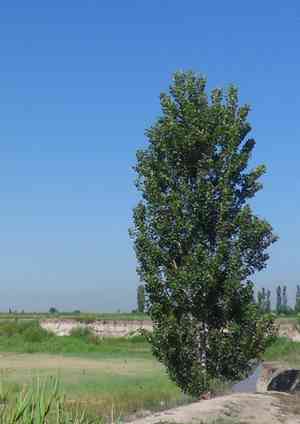
1
White poplar thrive in soils that drain effectively and are abundant in organic material for optimal nutrient uptake.
2
Applying fertilizer to White poplar in the early spring period can greatly enhance their development.
3
Slow-release organic plant foods nourish the soil over time and enhance its composition, which is advantageous for White poplar.
Understanding White poplar's Fertilization Requirements
Crucial Nutrients for White poplar
For prime White poplar development, a correct equilibrium of vital nutrients is key. These trees primarily need nitrogen (N), phosphorus (P), and potassium (K). Nitrogen aids in vigorous leaf and stem formation, phosphorus bolsters strong root networks, and potassium is essential for overall health and disease resistance. Secondary elements such as magnesium, calcium, and sulfur, along with micronutrients like iron and zinc, also support the plant's vitality. A well-proportioned fertilizer containing these components is vital for sustaining the White poplar's strength.
Indicators of Nutrient Deficiency in White poplar
Nutrient shortages in White poplar can show up through various symptoms, which can hinder the tree's development and general well-being. Leaves might become yellow from a nitrogen deficit, while a lack of phosphorus can cause stunted growth and dark green foliage. Potassium deficiency often appears as brown or yellow leaf margins. Noticing these signs and acting swiftly is vital. Regularly checking your White poplar for these indications and adjusting your feeding schedule accordingly can help keep the tree thriving.
Selecting the Appropriate Fertilizer for White poplar
Fertilizer Varieties Suitable for White poplar
Choosing the correct fertilizer is vital for your White poplar's health. Several fertilizer types are fitting for these trees: complete fertilizers with balanced N-P-K ratios, slow-release options that deliver nutrients over an extended period, and specific formulas that target particular deficiencies. Additionally, nutrient-rich compost can complement these fertilizers by enhancing soil structure and microbial activity. Ensuring the selected fertilizer meets the primary and secondary nutrient requirements of White poplar will promote robust growth and overall tree vitality.
Organic vs. Synthetic Fertilizers: Advantages and Disadvantages
The choice between organic and synthetic fertilizers can impact your White poplar's growth and health in distinct ways. Organic fertilizers, sourced from natural materials like compost, manure, and bone meal, release nutrients gradually, enhancing soil structure and microbial life. They are eco-friendly but might take longer to show results. Synthetic fertilizers, conversely, are man-made and offer immediate nutrient availability. They are simple to apply and yield quicker outcomes but can sometimes lead to nutrient imbalances and soil degradation over time. Combining both types can produce the best results for your White poplar.
When and How to Feed White poplar
Optimal Season for Fertilizing White poplar
The best time to fertilize White poplar is in early spring. During this period, the tree commences its active growth phase, and fertilizer application can significantly boost development. Fertilizing in early spring supplies the necessary nutrients as the growing season begins, allowing the tree to develop a strong root system and healthy foliage. Avoid fertilizing late in the season to prevent promoting new growth that may not toughen before winter.
Detailed Instructions for Fertilizing White poplar
Effectively fertilizing your White poplar requires a structured approach. Here's a step-by-step guide:Soil Analysis: Perform a soil test to identify nutrient shortfalls.Select the Correct Fertilizer: Choose a balanced fertilizer that addresses your soil's needs.Determine the Quantity: Follow the fertilizer package instructions to calculate the proper amount.Application: Distribute the fertilizer uniformly around the tree's base, extending to the drip line. Avoid placing it too near the trunk.Watering: Thoroughly water the area after application to help the fertilizer dissolve and permeate the soil.Follow-Up: Reapply as recommended, typically every 6-8 weeks during the growing season, particularly if using slow-release fertilizers.
Post-Fertilization Care for White poplar
Watering Practices After Fertilization
Correct watering techniques are crucial after fertilization to ensure nutrients reach the White poplar's root zone. Water the area thoroughly post-fertilizer application to help it dissolve and penetrate the soil. Consistent and deep watering should be maintained throughout the active growing season, especially during dry spells. This aids in optimal nutrient uptake and prevents tree stress.
Observing Development and Vigor
After fertilization, it's vital to monitor your White poplar for enhanced growth and overall health. Look for indicators of robust growth, healthy foliage, and strong branching. Regularly check for any deficiencies or pest problems and address them promptly. Keeping a record of fertilization schedules and subsequent actions can help you refine practices for future optimal tree health.



