Optimal Fertilizer for Growing Jaboticaba tree: What You Need to Know
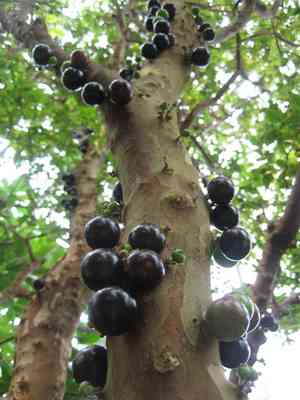
1
To promote optimal development, feed your Jaboticaba tree in early spring before new shoots emerge.
2
An N-P-K blend like 10-10-10 is perfectly suited for Jaboticaba trees.
3
Always drench your Jaboticaba tree completely with water after applying fertilizer to ensure even nutrient distribution.
Deciphering the Fertilization Needs of Jaboticaba Trees
The Significance of Adequate Nourishment
Jaboticaba trees flourish with proper sustenance. Similar to human dietary requirements, these trees demand a balanced mix of crucial nutrients for vigorous growth and fruit production. Fertilizing supports the tree's development, enriches its foliage, and guarantees an abundance of delectable fruit. Without sufficient nutrition, the plant may exhibit stunted development, poor fruiting, and increased vulnerability to diseases.
Essential Nutrients for Jaboticaba Trees
The primary elements vital for Jaboticaba trees are nitrogen (N), phosphorus (P), and potassium (K), commonly known as N-P-K. Nitrogen is key for leaf expansion, phosphorus aids root and flower formation, and potassium contributes to general plant health and disease resistance. In addition, zinc, magnesium, and iron are important micronutrients needed in smaller quantities.
Indicators of Nutrient Shortfalls
Early detection of nutrient deficiencies is vital for maintaining a healthy Jaboticaba tree. Common signs include yellowing leaves (pointing to nitrogen lack), sparse flowering (low phosphorus), and browning leaf edges (potassium deficit). If the tree's growth is subpar, an absence of essential micronutrients could be the cause. Regular checks and prompt actions can prevent lasting damage.
Optimal Fertilization Practices for Jaboticaba Trees
When to Apply Fertilizer to Your Jaboticaba Tree
The best time to fertilize your Jaboticaba tree is in the spring, just before the active growth period commences. This timing is ideal as the tree will readily absorb nutrients when new growth begins. Early fertilization ensures the tree has all it requires for robust foliage and fruit throughout the growing season.
Selecting the Appropriate Fertilizer
Choosing the correct fertilizer is crucial. For Jaboticaba trees, a balanced fertilizer with a 10-10-10 N-P-K ratio is generally advised. This provides equal amounts of nitrogen, phosphorus, and potassium. For an added boost, consider using a slow-release fertilizer that delivers a steady nutrient supply over time. Organic fertilizers are an option if you prefer a more natural approach.
Application Methods
Correct fertilizer application can significantly enhance its efficacy. Begin by spreading the fertilizer evenly around the tree's drip line, which is the ground area beneath the outermost extent of its branches. Avoid applying fertilizer too close to the trunk to prevent burning. Lightly rake the fertilizer into the soil to improve absorption, then water the area thoroughly to help nutrients reach the root zone.
Monitoring Fertilization Outcomes
After applying fertilizer, observe your tree for any alterations. Vigorous new growth and improved coloration indicate successful fertilization. Conversely, if you observe leaf burn or other adverse symptoms, it might suggest over-fertilization. Consistent monitoring allows for adjustments to the fertilizer type or quantity in future applications.
Preventing Common Fertilization Errors with Jaboticaba Trees
Risks of Excessive Fertilization
While essential, too much fertilization can be detrimental. Over-fertilization can lead to nutrient imbalances, causing issues such as leaf burn, wilting, and diminished fruit quality. To avoid this, always adhere to the recommended dosage on the fertilizer packaging and apply sparingly.
Understanding Soil pH and Nutrient Uptake
Soil pH plays a critical role in fertilizer effectiveness. The Jaboticaba tree favors slightly acidic to neutral soil (pH 5.5 to 6.5). Test your soil's pH and make necessary adjustments with amendments. Fertilizers may not be efficiently absorbed if the soil pH is too high or too low, resulting in wasted nutrients.
Effective Post-Fertilization Irrigation
Watering after fertilization is vital for dissolving and distributing nutrients to the roots. Ensure the soil is moist but not saturated, as excessive water can wash away nutrients. Consistent yet moderate watering encourages healthy root development and nutrient uptake, benefiting the overall health of the Jaboticaba tree.



