Optimal Fertilizer for Growing Swedish ivy: What You Need to Know
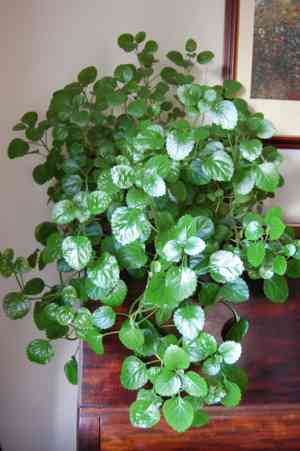
1
Prior to applying fertilizer, ensure Swedish ivy is watered to avoid root scorching.
2
Excessive fertilization may cause root harm and leaf browning; adhere to package instructions for dosage.
3
Under dim lighting, this plant needs less fertilizer than specimens situated in well-lit environments.
Understanding Swedish Ivy's Feeding Requirements
Nutrient Needs and Development Patterns
Swedish ivy is a cherished indoor plant known for its trailing foliage and simple upkeep. While relatively easy to care for, this plant benefits from consistent feeding to ensure vigorous development. Swedish ivy thrives with a balanced feeding regimen that supplies vital nutrients like nitrogen, phosphorus, and potassium. During its active growth phase, typically spring and summer, Swedish ivy needs more nourishment to support its abundant leaf growth and overall vitality.
Indicators of Nutrient Deficiency in Swedish Ivy
Nutrient shortages in Swedish ivy can appear through several signs. Yellowing leaves, stunted development, and foliage that is smaller or pale can signal a lack of essential nutrients. Another clear indicator is if the plant seems dull or less robust than usual. Ensuring your plant gets the correct amount of nutrients can greatly boost its growth and health, making regular observation and prompt action crucial.
Selecting the Appropriate Fertilizer for Swedish Ivy
Composition of Commercial Plant Foods
When choosing a fertilizer for your Swedish ivy, a balanced 10-10-10 or 20-20-20 formula is ideal. These figures denote the ratio of nitrogen (N), phosphorus (P), and potassium (K), three key nutrients vital for plant well-being. A balanced fertilizer ensures the plant receives an even distribution of nutrients to sustain all aspects of its development. Commercial plant foods often include added micronutrients beneficial for overall plant health.
Organic Versus Synthetic Options
Organic fertilizers, such as compost or worm castings, offer a gradual release of nutrients and enhance soil structure. They are an excellent choice for gardeners aiming for eco-friendly practices. Synthetic fertilizers, conversely, provide more precise nutrient control and often yield quicker results as they are designed for rapid release. Both options can be effective; the choice depends on your personal preference and the specific needs of your Swedish ivy.
Optimal Practices for Fertilizing Swedish Ivy
Seasonal Feeding Techniques
The best time to fertilize Swedish ivy is during its active growth period from spring through late summer. Apply fertilizer once a month, reducing the frequency in cooler seasons when the plant's growth slows. Fertilizing during dormancy, typically fall and winter, should be avoided as the plant requires fewer nutrients then.
Correct Application Methods
Always adhere to the instructions on the fertilizer packaging for dosage. Excessive fertilization can harm your plant. Dissolve water-soluble fertilizers in water and apply to the soil. For granular fertilizers, ensure they are thoroughly mixed into the soil and water immediately after application. Watering before fertilizing is also recommended to minimize the risk of root burn.
Over-fertilization Risks and Prevention
While consistent feeding is vital, overdoing it can cause more harm than good. Symptoms of over-fertilization include browning or scorched leaf edges, wilting, and a crusty layer of fertilizer salts on the soil surface. To prevent these issues, strictly follow recommended dosages and flush the soil with plain water occasionally to remove excess salts.
Post-Fertilization Care for Swedish Ivy
Monitoring Development and Health
After feeding your Swedish ivy, it's important to observe the plant for any signs of improvement or negative reactions. Look for increases in leaf size, color vibrancy, and overall vigor. If the plant shows signs of distress, such as yellowing or browning leaves, re-evaluate your fertilization method and adjust accordingly.
Adjusting Care Based on Plant's Response
Every plant is unique, and even the same species might react differently to care routines. Pay close attention to how your Swedish ivy responds after fertilization and be ready to modify your approach. If the plant appears overly lush and growth is rapid, consider reducing the fertilizer quantity. Conversely, if growth remains stunted, increasing feeding frequency or quantity might be necessary. Consistent monitoring and adjustments will help you achieve the perfect balance for your Swedish ivy.



