Optimal Fertilizer for Growing Balloon flower: What You Need to Know
1
Supplying nutrients to your Balloon flower at the start of Spring can stimulate its development and flowering.
2
Moderation is crucial; excessive fertilization can damage the plant, whereas insufficient feeding might impede its progress.
3
Balloon flowers thrive with both natural and manufactured plant foods, but they need an even mix of nitrogen, phosphorus, and potassium.
Understanding Fertilization Needs of Balloon flower
The Importance of Proper Fertilization
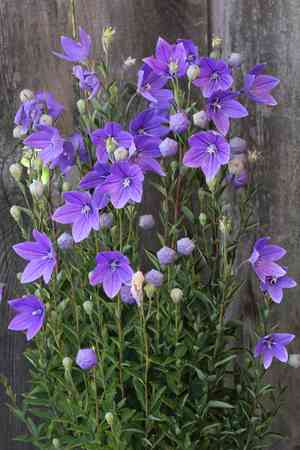
Supplying your Balloon flower with appropriate nutrients at the correct times is crucial for its well-being and abundant blossoms. Fertilization delivers vital elements that the plant's native soil might lack, promoting vigorous development and disease resistance. A well-nourished Balloon flower is recognized by its vibrant green foliage and a profusion of eye-catching, balloon-shaped flowers.
Types of Nutrients Required by Balloon flower
Balloon flowers flourish with a balanced intake of essential nutrients. The primary elements—Nitrogen (N), Phosphorus (P), and Potassium (K)—each serve distinct roles: Nitrogen fosters lush, leafy growth; Phosphorus aids strong root development and blooming; and Potassium boosts overall plant health and resilience to diseases. In addition, micronutrients such as Magnesium, Calcium, and Iron are also vital in smaller quantities for peak growth.
Choosing the Right Fertilizer for Balloon flower
Organic vs. Synthetic Fertilizers
The choice between organic and synthetic fertilizers for your Balloon flower hinges on your gardening preferences and the plant's requirements. Organic options, like compost and aged manure, release nutrients slowly and enhance soil structure over time. Conversely, synthetic fertilizers offer immediate nutrients and precise application, though they don't contribute to long-term soil health. Both can be effective, so the decision involves balancing immediate plant needs with lasting soil benefits.
Recommended NPK Ratio for Balloon flowers
For Balloon flowers, an even NPK ratio such as 10-10-10 or 14-14-14 is typically ideal. This balance ensures the plant receives equal amounts of nitrogen, phosphorus, and potassium, supporting all facets of its development. During the blooming phase, you might consider a slightly higher phosphorus content to stimulate flower production. It is crucial to adhere to the recommended dosage on the fertilizer package to avoid over-fertilization.
How Often to Fertilize Balloon flower
Fertilization Frequency During Growing Season
Balloon flowers are generally fertilized in Spring, as this marks the start of their active growth period. Applying fertilizer at this time helps kickstart their development and supplies the necessary nutrients precisely when the plant needs them most. Depending on the product, you might fertilize every 4-6 weeks throughout Spring and Summer to ensure continuous nutrient availability.
Adjusting Fertilization in Dormant Periods
During dormancy, typically in late Fall and Winter, Balloon flowers require little to no additional fertilizer. This is because the plants are not actively growing and therefore have reduced nutrient needs. Excessive fertilization during this time can be harmful, leading to salt accumulation in the soil and potential damage to the roots.
Step-by-Step Guide to Fertilizing Balloon flower
Preparing the Fertilizer Solution
To mix a fertilizer solution, follow the instructions provided on the product packaging. If using a liquid fertilizer, dilute it with water as directed, usually around 1 tablespoon per gallon (3.78 liters) of water. For granular fertilizers, measure the recommended amount and spread it evenly around the plant's base, taking care not to let it contact the stems directly to prevent burning.
Application Techniques for Optimal Uptake
Apply the fertilizer solution to the soil at the base of the Balloon flower. For liquid fertilizers, pour the solution uniformly, ensuring it penetrates the root zone where the plant can absorb it effectively. For granular fertilizers, gently work them into the topsoil using a hand rake or your fingers. Water the plant thoroughly after applying granular fertilizer to help distribute the nutrients into the soil and reach the roots.
Troubleshooting Common Fertilization Issues
Signs of Over-fertilization and How to Mitigate
Over-fertilization is a frequent problem and can manifest as yellowing leaves, browning leaf edges, or a white residue on the soil surface. If you suspect over-fertilization, thoroughly flush the soil with ample water to wash away excess nutrients. Reduce the frequency and quantity of fertilizer, and use a balanced, diluted solution going forward to prevent recurrence.
Dealing with Nutrient Deficiency Symptoms
Nutrient deficiencies might appear as stunted growth, pale or yellow leaves (indicating nitrogen deficiency), or poor flowering (a sign of phosphorus deficiency). Address nutrient deficiencies by applying a balanced fertilizer or specific nutrient supplements. Regularly monitoring plant health and adjusting the fertilization schedule as needed will help maintain optimal growth and vitality.



