Optimal Fertilizer for Growing Staghorn fern: What You Need to Know
1
Staghorn ferns thrive with increased atmospheric moisture during their active growth phase, making spring an optimal period for nutrient application.
2
A well-rounded nutrient solution, like one with a 20-20-20 NPK balance, is typically appropriate for Staghorn ferns.
3
Refrain from providing nutrients to Staghorn ferns when they are inactive, usually in autumn and winter, as this could damage the plant.
Grasping Staghorn Fern's Nutritional Requirements
What Makes Staghorn Fern's Nutrient Needs Distinct?
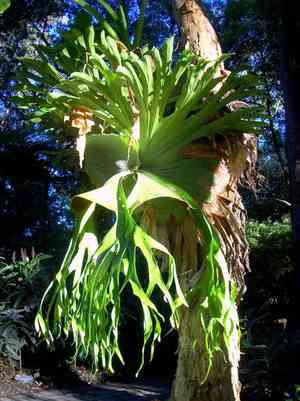
The Staghorn fern (Platycerium superbum) is a captivating epiphytic plant that thrives on other plants or surfaces, drawing sustenance from the air and accumulated debris. Unlike typical houseplants, it doesn't rely on soil for nutrients, making its feeding requirements singular. Its large, shield-like fronds gather organic matter, providing a natural food source, but this is often insufficient indoors. Therefore, supplementary feeding is vital to mimic its natural habitat and support vigorous development.
Indicators Your Staghorn Fern Requires Feeding
Recognizing when your Staghorn fern needs nutrients can help maintain its lush, verdant appearance. Common signs include sluggish growth, yellowing leaves, or a general lack of vitality. Furthermore, if the plant looks dull and lacks its usual vibrancy, it might be deficient in essential elements. Establishing a regular feeding schedule during its active growth phaseâspringâensures these issues are addressed before they impact the fern's overall well-being.
Selecting the Appropriate Fertilizer for Staghorn Fern
Organic Versus Synthetic Fertilizers: Which is Optimal?
When choosing the right fertilizer for your Staghorn fern, both organic and synthetic options have their advantages. Organic fertilizers, such as fish emulsion or compost tea, offer a slow-release nutrient supply and enhance the plant's microenvironment. They are less likely to cause nutrient burn but might require more frequent application. Synthetic fertilizers, conversely, provide precise nutrient ratios and can be more convenient, delivering rapid results. A balanced approach, considering both types, often yields the best outcomes for healthy, flourishing Staghorn ferns.
Crucial Nutrients for Robust Staghorn Fern Development
Ensuring your Staghorn fern receives the correct nutrients is vital for its growth and maturation. Key nutrients include nitrogen for foliage development, phosphorus for root establishment, and potassium for overall health and disease resistance. Additionally, trace minerals like magnesium, calcium, and iron are essential for maintaining the fern's structural integrity and vibrant appearance. A balanced, water-soluble fertilizer with a ratio such as 20-20-20 NPK can effectively meet these nutritional demands.
Step-by-Step Guide to Fertilizing Staghorn Fern
How Frequently Should You Fertilize?
Fertilizing frequency for Staghorn ferns depends on their growth stage. During the active growing season in spring, fertilize every two to four weeks using a diluted liquid fertilizer. This consistent schedule helps ensure a steady nutrient supply, promoting vigorous growth. Reduce the frequency or cease fertilizing entirely during the plant's dormant periods in fall and winter to avoid overstressing the fern.
Best Practices for Fertilizer Application
Applying fertilizer to Staghorn ferns requires a delicate approach due to their unique growth habits. Use a liquid fertilizer diluted to half its recommended strength. Apply the fertilizer directly to the base of the fronds or mix it in the water and soak the fernâs mounting medium. Ensure thorough watering before and after fertilization to help distribute nutrients evenly and prevent root burn. Be careful to avoid overly concentrated fertilizers, as they can harm the fern's delicate structure.
Monitoring Staghorn Fern After Fertilization
Signs of Over-Fertilization and How to Remedy
Excessive fertilization can be harmful to your Staghorn fern. Symptoms include brown leaf tips, wilting despite adequate moisture, and a salty crust on the mounting medium. If you suspect nutrient burn, flush the mounting medium with water to remove surplus fertilizer and reduce future application rates. Adjusting your fertilization practices promptly can help alleviate any negative effects and restore the fern's health.
When to Anticipate Visible Growth and Health Improvement
Following fertilization, you can expect to observe noticeable improvements in your Staghorn fern within a few weeks to a few months. New fronds will begin to emerge with a vibrant green hue, and overall growth rates will increase. Consistent, appropriate fertilization, combined with proper care habits like adequate humidity and indirect light, fosters a flourishing fern, rewarding you with its distinctive and impressive appearance.



