Optimal Fertilizer for Growing Kōhūhū: What You Need to Know
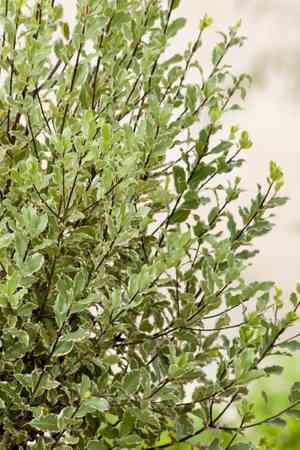
1
KÅhÅ«hÅ« flourishes optimally with spring fertilization to stimulate post-dormancy development.
2
Seek out an even NPK proportion, like 10-10-10, for KÅhÅ«hÅ«'s most favorable outcomes.
3
Excessive fertilization can damage your KÅhÅ«hÅ«, thus a conservative approach is frequently superior for plant nourishment.
Understanding KÅhÅ«hÅ«'s Dietary Requirements
Essential Nutrients for Robust Development
For your KÅhÅ«hÅ« to flourish, supplying vital nutrients is paramount. The main elements required are nitrogen (N), phosphorus (P), and potassium (K). Nitrogen fosters abundant, verdant foliage; phosphorus aids strong root growth and flowering; and potassium enhances overall plant vitality and disease resistance. Supplying these nutrients appropriately helps maintain vigorous and healthy growth year-round.
Indicators of Nutrient Deficiencies
Recognizing typical signs of nutrient shortages allows for prompt corrective action. For instance, yellowing leaves can signal a nitrogen deficit, while poor blooming might indicate insufficient phosphorus. Weak stems and generally stunted growth often point to potassium deficiencies. Consistent observation and timely intervention can keep your KÅhÅ«hÅ« in peak condition.
Selecting the Appropriate Fertilizer for KÅhÅ«hÅ«
Natural vs. Synthetic Fertilizers
When choosing fertilizers for your KÅhÅ«hÅ«, you have the option of organic or synthetic varieties. Organic fertilizers, like compost and manure, are eco-friendly and improve soil health over time. Synthetic fertilizers, conversely, offer immediate nutrient availability but may not enhance soil structure. A blend of both can yield excellent outcomes, ensuring quick nutrient absorption while sustaining long-term soil fertility.
Recommended NPK Balance
For KÅhÅ«hÅ«, a balanced NPK ratio such as 10-10-10 is effective. This ensures the plant receives equal amounts of nitrogen, phosphorus, and potassium, promoting balanced development. An alternative is a slightly higher nitrogen content, like 12-6-6, if your KÅhÅ«hÅ« shows signs of struggling with foliage growth. Always consult label directions to prevent over-fertilization.
Optimal Fertilization Practices for KÅhÅ«hÅ«
When to Fertilize KÅhÅ«hÅ«
The ideal time to fertilize KÅhÅ«hÅ« is in spring, as new growth commences. This timing aligns with the plant's natural growth cycle, enabling it to maximize nutrient utilization. A light additional feeding in early summer can also support continued development if needed. Avoid fertilizing in late autumn or winter as the plant prepares for dormancy.
How to Apply Fertilizer
When applying fertilizer to KÅhÅ«hÅ«, it's important to distribute it evenly around the plant's base. Instead of placing it directly at the stem, spread it across the broader root zone. This ensures better nutrient absorption. Water the plant thoroughly after application to help dissolve the fertilizer and deliver nutrients to the roots. For liquid fertilizers, follow dilution instructions to prevent root or leaf burn.
Common Errors to Avoid
Preventing fertilization errors is vital for KÅhÅ«hÅ«'s well-being. Over-fertilization is a frequent mistake, leading to root damage and stunted growth. Always adhere to the suggested dosage. Another error is applying fertilizer during dormant periods, which can disrupt the plant's natural rhythm. Lastly, avoid using poor-quality or expired fertilizers that may lack essential nutrients.
Monitoring KÅhÅ«hÅ« After Nutrient Application
Observing Post-Fertilization Growth and Vigor
After fertilizing, observe your KÅhÅ«hÅ« to gauge the impact of the added nutrients. Look for indications of vigorous growth, such as fresh, green leaves, sturdy branches, and healthy blooms. Any negative signs like leaf scorching or discoloration should be addressed promptly, possibly by adjusting the fertilizer type or amount.
Modifying Fertilization Based on Plant Feedback
Your KÅhÅ«hÅ«'s reaction to fertilization will guide future practices. If the plant responds with robust growth, your current regimen is likely effective. However, if growth is slow or shows signs of nutrient stress, consider altering the NPK ratio or application frequency. Experimentation, combined with careful observation, will help refine your approach.



