Optimal Fertilizer for Growing Aluminum plant: What You Need to Know
1
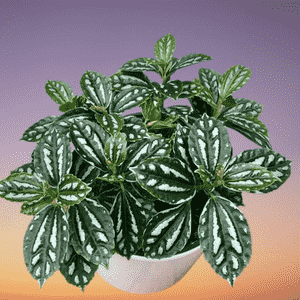
Nourishing your Aluminum plant during the warmer months can enhance its development and the intensity of its leaves.
2
An Aluminum plant thrives with a well-proportioned 10-10-10 plant food, providing balanced levels of nitrogen, phosphorus, and potassium.
3
It's crucial to weaken liquid plant foods to half their suggested concentration to avoid harming the plant with too many nutrients.
Deciphering the Dietary Requirements of Aluminum Plant
Crucial Nutrients for Robust Development
The Aluminum plant, admired for its distinct metallic luster, demands a balanced intake of vital nutrients to uphold its lively appearance. Primarily, nitrogen (N) promotes abundant, verdant foliage, a hallmark of a thriving Aluminum plant. Phosphorus (P) is essential for root formation, helping your plant establish a deep and firm foundation. Potassium (K) improves overall plant vitality by fostering strong cell function and disease resistance. Together, these elements create a combined effect that guarantees the plant's complete well-being.
Indicators of Nutrient Deficiency
Spotting nutrient shortages early can prevent lasting harm to your Aluminum plant. If your plant's leaves begin to yellow, it could signal a lack of nitrogen. Insufficient phosphorus typically appears as stunted development and dark green or purplish leaves. Potassium deficiency often manifests as browned or scorched leaf edges. By watching for these signs, you can promptly address any nutritional gaps, ensuring your plant stays healthy and vibrant.
Selecting the Appropriate Fertilizer for Aluminum Plant
Fertilizer Varieties: Natural vs. Synthetic
When it comes to feeding your Aluminum plant, you have two primary choices: natural and manufactured fertilizers. Natural fertilizers, derived from sources like compost, manure, or bone meal, release nutrients gradually and improve soil quality over time. Manufactured fertilizers, on the other hand, offer immediate nutrient availability, which can quickly correct any deficiencies. Each type has its advantages, and your choice depends on your gardening philosophy and specific requirements.
Specific Formulations Suitable for Aluminum Plant
For prime growth, consider utilizing a balanced fertilizer with an N-P-K ratio of 10-10-10 or 20-20-20. This guarantees the plant receives equivalent amounts of the three main nutrients. Liquid or water-soluble fertilizers are also excellent selections, as they allow for effortless application and rapid nutrient absorption. Remember, it's vital to adhere to the suggested dosage guidelines to prevent over-fertilization, which can harm the plant.
Administering Fertilizer to Aluminum Plant
When to Fertilize: Timing and Frequency
The ideal period to fertilize your Aluminum plant is during its active growing phase, typically from late spring through early summer. Fertilizing every 4-6 weeks during this interval provides a consistent nutrient supply, promoting healthy development. It's best to refrain from fertilizing during the dormant season, as the plant's nutritional needs decrease significantly, and excessive fertilization can lead to nutrient burn.
Correct Application Methods
When applying fertilizer, always ensure the soil is uniformly moist to assist nutrient absorption. Dilute liquid fertilizers to half the recommended strength to avoid overwhelming the plant's root system. Applying the fertilizer directly to the soil and away from the leaves can prevent leaf scorch. For a more controlled release, consider using slow-release granules, which gradually provide nutrients over time.
Monitoring and Adjusting Fertilizer Usage
Observing Plant Reaction
Following fertilization, observe your Aluminum plant for any alterations in appearance or growth patterns. Positive indicators include new leaf development, vivid coloration, and an overall healthy look. Conversely, if the plant shows signs of distress, such as yellowing foliage or stunted growth, it may point to over-fertilization or an imbalance in nutrient provision.
Modifying Fertilization Practices Based on Plant Vigor
If your plant displays any adverse reactions, consider altering your fertilizing routine. You might need to decrease the frequency or concentration of the fertilizer. Organic alternatives or foliar feeding techniques, where nutrients are sprayed directly onto the leaves, can offer a gentler option. Adapting your approach based on the plant's responses ensures it receives the care it needs without the risk of nutrient-related issues.



