Optimal Fertilizer for Growing Obedient plant: What You Need to Know
1
The Obedient plant performs optimally with fertilization in the spring, supplying essential nutrients for its forthcoming robust growth period.
2
Applying a controlled-release fertilizer ensures a consistent nutrient delivery over time, minimizing the requirement for regular treatments.
3
Excessive fertilization can result in abundant leaves at the expense of blossoms; moderation is crucial.
Deciphering the Fertilization Requirements of Obedient Plant
The Essential Role of Fertilization for Obedient Plant
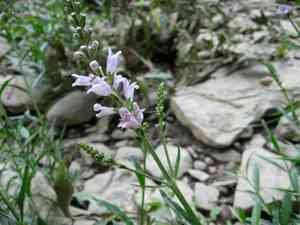
Fertilization is a vital component of successful Obedient plant care. This perennial not only enhances your garden's aesthetic with its striking pink, white, or lavender flower spikes, but also relies on adequate nutrients for sustained health and vibrancy. Fertilizing replenishes the soil with crucial elements that the plant naturally uses up. It promotes strong development, robust stem formation, and abundant blooming, ensuring your plant achieves its full potential each growing cycle.
Indicators Your Obedient Plant Needs Nutritional Support
Your Obedient plant will display specific cues when it requires fertilization. Primary signals include yellowing foliage, restricted growth, and decreased flower production. If the plant appears dull, with fewer blooms than usual, it clearly indicates insufficient soil nutrient levels. Consistent observation and prompt attention to these warnings can prevent deficiencies and keep your plant thriving.
Selecting the Appropriate Fertilizer for Your Obedient Plant
Fertilizer Varieties Suitable for Obedient Plant
Choosing the correct fertilizer for your Obedient plant involves understanding the available choices. Typically, a balanced fertilizer containing equal proportions of nitrogen (N), phosphorus (P), and potassium (K) is optimal. These are commonly labeled as 10-10-10 or 20-20-20. Furthermore, slow-release fertilizers that gradually supply nutrients over time can be highly advantageous, reducing the need for frequent applications and ensuring a steady nutrient flow to the plant.
Organic vs. Synthetic Fertilizers: Best Choice for Obedient Plant?
Both organic and synthetic fertilizers offer benefits for the Obedient plant. Organic options, such as compost and manure, improve soil structure and foster microbial activity, which can boost plant health. Synthetic fertilizers, conversely, deliver nutrients in a readily available form that plants can rapidly absorb. While synthetic choices offer precise nutrient delivery, organic fertilizers contribute to long-term soil vitality. A combination of both can be a well-rounded strategy for effectively fertilizing your Obedient plant.
Effective Fertilization Techniques for Obedient Plant
A Step-by-Step Method for Fertilizing Obedient Plant
Effectively fertilizing your Obedient plant involves a few straightforward steps:Prepare the Soil: Start by loosening the earth around the plant's base to allow the fertilizer to penetrate.Measure the Fertilizer: Following the instructions on the fertilizer packaging, measure the correct amount for your plant's size and garden area.Apply the Fertilizer: Distribute the fertilizer evenly around the base, keeping it away from the plant stem to avoid burning.Water Thoroughly: After application, generously water the soil to help dissolve the fertilizer and deliver it to the roots.Mulch for Retention: Adding a layer of mulch can help maintain moisture and keep nutrients in place.
Optimal Time to Fertilize Obedient Plant
Spring is the ideal period to fertilize your Obedient plant. As the plant emerges from its dormant state and begins active growth, it requires a consistent supply of nutrients to support vigorous development and blooming. Fertilizing in early spring provides the essential nutrients needed during this crucial growth phase, setting the stage for a healthy and thriving season.
Post-Fertilization Care for Obedient Plant
Observing Plant Vigor After Fertilization
After fertilizing your Obedient plant, it is crucial to closely monitor its well-being. Look for positive changes, such as new shoots, vibrant foliage, and an increase in flowers. However, also watch for any negative reactions like leaf scorching or excessively lush growth, which could signal over-fertilization. Regular observation helps confirm the plant is responding positively and that any issues are addressed promptly.
Modifying Fertilization Schedule Based on Plant Reaction
The frequency of fertilization for your Obedient plant should be adjusted according to its response. If the plant exhibits strong growth and abundant flowering, maintaining a consistent fertilization routine is adequate. However, if the plant appears sluggish or overly robust with minimal blooms, adjustments may be necessary. Reducing the quantity or frequency of fertilizing can balance the plant's growth and flowering patterns. Remember, moderation is often key with fertilization, and it's always best to err on the side of caution.



