Optimal Fertilizer for Growing New zealand flax: What You Need to Know
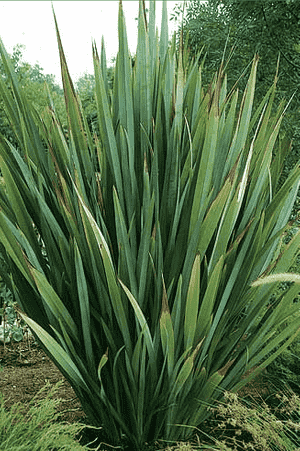
1
New Zealand flax flourishes with summer feeding, promoting its vigorous growth phase.
2
Sustain an even nitrogen-to-potassium balance for abundant leaves while preserving root vitality.
3
Always irrigate the plant right after applying fertilizer to aid nutrient absorption and lessen the chance of burn.
Grasping the Nutritional Requirements of New Zealand Flax
Crucial Nutrients for New Zealand Flax
Understanding the vital nutrients New Zealand flax needs is the initial step to guarantee its vigorous development. Key nutrients include nitrogen (N), phosphorus (P), and potassium (K). Nitrogen is essential for leaf formation and overall plant vitality. Phosphorus aids in root growth and bloom development, and potassium fortifies the plant, making it more resilient to disease and environmental stress. A balanced NPK ratio is crucial to meet all these demands effectively.
Indicators of Nutrient Deficiency in New Zealand Flax
Identifying nutrient deficiencies early can prevent your New Zealand flax from stunted growth or discoloration. Common signs include yellowing leaves, often indicating a nitrogen shortage, and poor root development, a sign of phosphorus deficiency. Brown leaf edges might signal a potassium deficiency. Observing these symptoms allows for swift action, ensuring your plant remains healthy and robust.
Selecting the Appropriate Fertilizer for New Zealand Flax
Organic vs. Synthetic Fertilizers
The choice between organic and synthetic fertilizers depends on your gardening philosophy and specific plant requirements. Organic fertilizers, like compost and manure, release nutrients slowly and enhance soil structure, but their nutrient content can be less predictable. Synthetic fertilizers, conversely, offer immediate nutrient availability and precise nutrient ratios, but they may not benefit the soil long-term. For New Zealand flax, a balanced approach using both types could yield optimal results.
Optimal Season for Fertilizing New Zealand Flax
The best time to fertilize New Zealand flax is during the summer, coinciding with its active growth phase. Fertilizing at this time ensures the plant has access to the nutrients it requires to produce lush, healthy foliage and strong roots. Applying fertilizer in the summer supports the plant's natural growth cycle and maximizes its development.
Recommended Fertilizer Varieties for New Zealand Flax
For peak growth, select fertilizers with a balanced NPK ratio, such as a 10-10-10 blend. Slow-release fertilizers are particularly effective as they provide consistent nutrient availability over time. Additionally, a seaweed or fish emulsion fertilizer can boost micronutrients, enhancing overall plant health. Choosing the correct fertilizer type ensures New Zealand flax receives a comprehensive nutrient supply.
Applying Fertilizer to New Zealand Flax
Fertilization Frequency for New Zealand Flax
During its active growing season, New Zealand flax should be fertilized every 6-8 weeks. Regular feeding ensures continuous nutrient availability, supporting steady growth. However, be careful not to over-fertilize, as this can lead to nutrient burn or excessive foliage growth at the expense of root health.
Step-by-Step Fertilization Procedure
Fertilizing New Zealand flax involves a straightforward process:Choose a balanced fertilizer suitable for your plant's needs.Measure the recommended amount based on the plant's size.Apply the fertilizer evenly around the plant's base.Gently work the fertilizer into the topsoil to avoid root disturbance.Water the plant thoroughly to help dissolve the fertilizer and promote absorption.
Tips for Uniform Application and Preventing Burn
To prevent fertilizer burn, never apply fertilizer directly to the plant's leaves or close to the stem. Always adhere to the product's recommended dosage and increase the amount gradually if necessary. Watering immediately after fertilizing dilutes the nutrients, reducing the risk of burn and helping them reach the root zone effectively.
Evaluating the Effect of Fertilization on New Zealand Flax
Monitoring Growth After Fertilization
After fertilizing, observe your New Zealand flax for noticeable growth improvements, such as greener, fuller leaves and stronger root development. Regular observation helps you detect any early signs of nutrient imbalance or over-fertilization.
Adjusting Fertilization Practices Based on Plant Response
If your New Zealand flax shows signs of excessive growth, nutrient burn, or persistent deficiency, it may be necessary to modify your fertilization practices. Reducing the frequency or amount of fertilizer and opting for formulations with different nutrient ratios can help achieve a better balance. Tailoring your approach based on the plant's response ensures sustained health and vibrant growth.



