Optimal Fertilizer for Growing Heartleaf philodendron: What You Need to Know
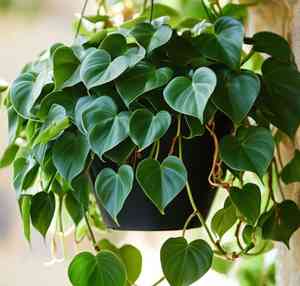
1
A Heartleaf Philodendron benefits from nutrient supplementation during its primary growth phase, typically summer.
2
Proper nutrient application supports lush foliage and robust root development, leading to a vigorous plant.
3
Prevent excessive feeding by applying a well-balanced, weakened fertilizer once every four weeks during periods of active growth.
Understanding Fertilization Needs of Heartleaf philodendron
Why Fertilize Your Heartleaf philodendron?
Nourishing your Heartleaf philodendron is crucial for encouraging vibrant development and overall plant vitality. While this tropical species is resilient and adaptable, supplying it with the correct nutrients is vital for achieving optimal lushness and robust foliage. Fertilization supports the plant's nutrient demands, particularly indoors where soil nutrients can diminish. Moreover, fertilizing helps replicate its natural, rich organic habitat, keeping your philodendron healthy and strong.
Signs Your Heartleaf philodendron Needs Fertilization
Several clear indicators suggest your Heartleaf philodendron might require feeding. Discolored (yellowing) leaves, slowed growth, and a general lack of vigor point to nutrient deficiency. The plant may also exhibit weakness and reduced leaf production. Regular observation of your plant will help detect these symptoms early, allowing for prompt action.
Choosing the Right Fertilizer for Your Heartleaf philodendron
Types of Fertilizers: Liquid, Granular, and Slow-Release
When fertilizing your Heartleaf philodendron, understanding the available fertilizer types is important. Liquid fertilizers are diluted with water and applied directly to the soil, enabling rapid nutrient uptake. Granular fertilizers are spread on the soil surface and release nutrients more gradually. Slow-release fertilizers are incorporated into the soil and deliver nutrients steadily over time. Your choice depends on your plant's requirements and your maintenance preferences.
Key Nutrients for Heartleaf philodendron Health
The essential nutrients for Heartleaf philodendron include nitrogen (N), phosphorus (P), and potassium (K). Nitrogen promotes leaf development, phosphorus aids root growth, and potassium enhances general health and disease resistance. A balanced fertilizer containing these nutrients will help your plant thrive. Additionally, micronutrients like calcium, magnesium, and iron, though needed in smaller quantities, significantly contribute to the plant's overall wellness.
How Often to Fertilize Heartleaf philodendron?
Fertilizing During the Growing Season
The active growth period for Heartleaf philodendron typically occurs in summer. During this time, the plant actively produces new leaves and expands its root system. It's best to feed your plant monthly with a balanced, diluted fertilizer (a 10-10-10 or 20-20-20 blend works well). This routine ensures a steady supply of nutrients, supporting strong growth and dense foliage.
Winter Fertilization: Do's and Don'ts
In winter, Heartleaf philodendron enters a period of reduced growth and needs considerably less fertilizer. It's advisable to decrease fertilization to once every two to three months or stop entirely during the coldest period. Excessive fertilization in winter can lead to nutrient accumulation and potential root burn, so allow your plant to rest.
Step-by-Step Guide to Fertilizing Heartleaf philodendron
Preparing Your Fertilizer Mix
Start by selecting a balanced liquid or water-soluble fertilizer. Dilute the fertilizer to half the recommended concentration to prevent over-fertilization. For instance, if the instructions suggest 1 tablespoon per gallon (3.8 liters) of water, use 1/2 tablespoon instead. This ensures a gentle nutrient delivery while preserving the plant's health.
Application Techniques for Optimal Nutrition
Apply the diluted fertilizer directly to the soil, ensuring it reaches the root system. Avoid getting fertilizer on the leaves to prevent burning. Water the plant thoroughly before and after fertilizing to aid nutrient absorption and minimize the risk of root burn. Consistency is vital, so use a reminder for your monthly fertilization schedule.
Common Mistakes to Avoid in Fertilizing Heartleaf philodendron
Over-fertilizing and Its Consequences
Excessive fertilization can cause numerous issues, including nutrient burn, root damage, and stunted growth. Too many nutrients can build up in the soil, creating an imbalance and hindering proper nutrient uptake. Always adhere to the recommended dilution rates and resist the urge to believe that more fertilizer will result in faster growth.
Ignoring Soil pH and Its Impact on Fertilizer Efficacy
Soil pH significantly affects how effectively fertilizers work. Heartleaf philodendron thrives in slightly acidic to neutral soil (pH 5.5 to 7.5). If the soil's pH falls outside this range, nutrient absorption can be impeded regardless of the fertilizer applied. Regularly test your soil's pH and adjust it as needed to ensure your plant receives the full benefit from the provided nutrients.



