Optimal Fertilizer for Growing Peperomia polybotrya: What You Need to Know
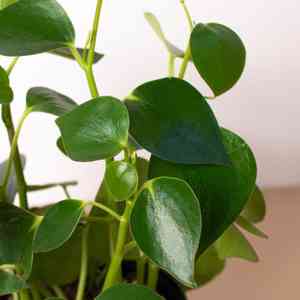
1
Coin leaf peperomia flourishes with a well-proportioned plant food containing equivalent amounts of nitrogen, phosphorus, and potassium (NPK 10-10-10).
2
Always weaken your plant food to half its recommended strength to prevent over-saturating your Coin leaf peperomia with nutrients.
3
The optimal period to nourish Coin leaf peperomia is during its vigorous growth phase, primarily the warmer months.
Understanding Nutrient Requirements for Coin leaf peperomia
Why is Feeding Coin leaf peperomia Necessary?
Providing nutrients is crucial for your Coin leaf peperomia because it supplies vital elements often lacking in potting mixes. These plants, like all indoor greenery, depend on you to supplement their food. Fertilizing encourages robust development, vibrant foliage, and boosts the plant's overall resistance to ailments and pests. Without proper feeding, your peperomia might show stunted development or pale, discolored leaves.
What Essential Elements Does Coin leaf peperomia Require?
Coin leaf peperomia plants thrive with various nutrients, primarily nitrogen (N), phosphorus (P), and potassium (K). Nitrogen is vital for leaf development and general plant vigor. Phosphorus aids in root formation and bloom production, while potassium supports overall physiological processes, including disease defense. Trace elements, such as iron, magnesium, and calcium, also play a key role in maintaining the plant's health.
Selecting the Appropriate Fertilizer for Coin leaf peperomia
Natural vs. Chemical Fertilizers
The choice between natural and chemical fertilizers depends on individual preference and your Coin leaf peperomia's specific needs. Natural fertilizers, derived from organic sources, gradually release nutrients and enhance soil quality over time. They help introduce beneficial microbes to the soil. However, they might not offer the quick nutrient boost required if the plant displays deficiency symptoms. Chemical fertilizers, conversely, are formulated to deliver nutrients rapidly and are generally easy to measure and apply. They give you greater control over the nutrient balance.
Recommended NPK Ratio for Coin leaf peperomia
The optimal fertilizer for Coin leaf peperomia should feature a balanced NPK ratio, such as 10-10-10. This ratio ensures your plant receives equal proportions of nitrogen, phosphorus, and potassium, which are vital for balanced growth and well-being. Always review the fertilizer label to confirm the correct ratio and adhere to the dilution guidelines provided by the manufacturer.
How and When to Feed Coin leaf peperomia
Optimal Time of Year for Nutrient Application
The best period to fertilize your Coin leaf peperomia is during the warmer months when the plant is actively growing. During this phase, the plant's nutrient absorption is at its peak, ensuring the fertilizer is efficiently utilized. Avoid feeding in winter or late autumn when the plant's growth significantly slows down.
Step-by-Step Feeding Procedure
Follow these instructions to properly fertilize your Coin leaf peperomia:Select a balanced liquid fertilizer (NPK 10-10-10).Dilute the fertilizer to half-strength according to manufacturer directions.Water your plant thoroughly before applying the fertilizer to prevent root damage.Pour the diluted fertilizer directly onto the soil, avoiding contact with the foliage.Allow excess fertilizer to drain; do not let the plant sit in standing water.
How Frequently Should You Fertilize?
Coin leaf peperomia should receive fertilizer every four weeks during its active summer growing season. This consistent schedule ensures a steady supply of nutrients. During the dormant winter months, you can reduce the frequency to once every two months or cease entirely to avoid stimulating growth when the plant is resting.
Preventing Excessive Fertilization in Coin leaf peperomia
Indicators of Over-Fertilization
Excessive fertilization can harm your Coin leaf peperomia and typically shows through specific signs. Watch for yellowing leaves, brown leaf tips, wilting, and a buildup of salt deposits on the soil surface. These indicate your plant is receiving too much fertilizer.
How to Remedy Over-Fertilization Effects
If you suspect over-fertilization, act immediately by flushing the soil with ample water to wash away surplus nutrients. Ensure the plant has good drainage to prevent root rot. In severe cases, repotting the plant with fresh soil might be necessary. Always revert to a balanced feeding routine to avoid repeating the same problem.



