Optimal Fertilizer for Growing Baby rubber plant: What You Need to Know
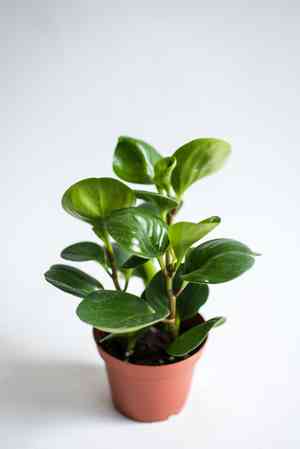
1
The optimal growth for a Baby rubber plant is achieved with a well-balanced 20-20-20 nutrient solution.
2
Excessive fertilization is a frequent error leading to root damage in Baby rubber plants.
3
Summer is the ideal period to nourish your Baby rubber plant, as it undergoes its primary growth phase then.
Grasping the Nutritional Requirements of Baby Rubber Plant
Crucial Nutrients for Baby Rubber Plant Wellness
For fostering a robust and lively Baby Rubber Plant, comprehending its specific dietary needs is vital. These botanicals primarily demand three core elements: nitrogen (N), phosphorus (P), and potassium (K). Nitrogen aids in lush, verdant foliage; phosphorus promotes strong root growth; and potassium supports overall plant health and disease resistance. A balanced plant food delivers these elements in appropriate quantities to ensure flourishing.
Indicators of Nutrient Scarcity in Baby Rubber Plant
Identifying nutrient shortages is essential for maintaining your Baby Rubber Plant's health. Typical signs include yellowing leaves, stunted development, and shedding foliage. If the plant lacks nitrogen, a general yellowing of older leaves will be noticed, while a phosphorus deficit often results in dull, dark green leaves and a purple tint on the undersides. Potassium deficiency might manifest as browning on leaf margins. Promptly recognizing and addressing these shortfalls can keep your plant in prime condition.
Selecting the Appropriate Fertilizer for Your Baby Rubber Plant
Fertilizer Varieties Suitable for Baby Rubber Plant
Choosing the correct plant food for your Baby Rubber Plant can significantly impact its development. Options include liquid feeds, granular slow-release fertilizers, and water-soluble nutrients. Liquid fertilizers provide rapid nutrient uptake, perfect for an immediate boost, whereas granular slow-release versions offer a steady nutrient supply over time. Water-soluble fertilizers dissolve easily, ideal for consistent feeding during watering cycles.
Organic vs. Synthetic Fertilizers: Optimal Choice for Baby Rubber Plant?
The decision between organic and synthetic plant foods can affect your Baby Rubber Plant's vitality. Organic fertilizers, like compost or worm castings, provide a gradual release of nutrients and enhance soil quality by encouraging beneficial microorganisms. In contrast, synthetic fertilizers, such as those with a 20-20-20 NPK ratio, deliver nutrients more rapidly and uniformly. For those preferring a natural approach, organic is the way to go, while synthetic options are effective for quick, precise nourishment.
How Frequently Should You Fertilize Your Baby Rubber Plant?
Fertilization Frequency During Active Growth
During the active growth period, particularly in warmer months, your Baby Rubber Plant requires more nutrients to sustain its development phase. Fertilize every two weeks with a balanced liquid fertilizer, diluted to half-strength. This consistent feeding regimen helps maintain steady growth and vibrant foliage. Always adhere to the instructions on the fertilizer packaging to prevent over-fertilizing.
Adjusting Fertilization During Inactive Periods
During its dormant phase, typically in colder months, your Baby Rubber Plant needs less frequent fertilization as its growth substantially slows. Decrease fertilizing to once every two months or even less. Excessive fertilization during dormancy can lead to nutrient accumulation in the soil, potentially causing root damage and other issues.
Applying Fertilizer to Your Baby Rubber Plant: Optimal Methods
Step-by-Step Guide to Fertilizing Baby Rubber Plant
Properly applying fertilizer to your Baby Rubber Plant ensures it receives necessary nutrients without the risk of over-fertilization. Follow these guidelines:Thoroughly water the plant a day before fertilizing to prevent root burn.Prepare a half-strength fertilizer solution according to package directions.Apply the fertilizer uniformly to the soil, avoiding direct contact with leaves.Lightly water the plant after fertilizing to help nutrients absorb.Rinse off any fertilizer that splashes onto the foliage.
Common Errors to Avoid When Fertilizing
Steer clear of these frequent mistakes to keep your Baby Rubber Plant thriving:Over-fertilization: Too much fertilizer can cause salt accumulation in the soil, leading to root burn and other problems. Less is often more effective.Poor timing: Fertilizing during the dormant period can stress the plant. Adhere to the active growing season for regular feeding.Incorrect application: Applying fertilizer directly to leaves or dry soil can harm the plant. Always dilute and pre-water the soil first.
Monitoring Your Baby Rubber Plant After Fertilization
Observing Changes in Growth and Health
Following fertilization, closely observe your Baby Rubber Plant to track its response. Look for positive indicators such as new leaf development, vivid coloration, and overall vitality. Also, watch for any negative reactions like leaf yellowing, which could signal over-fertilization or another problem requiring attention.
Post-Fertilization Adjustments: What to Seek
Based on your observations, you might need to modify your fertilization routine. If growth appears sluggish, consider slightly increasing the frequency or concentration of your feedings. Conversely, if you notice signs of nutrient excess, such as scorched leaf tips, reduce your fertilization rate or switch to a weaker solution.



