Optimal Fertilizer for Growing Emerald ripple peperomia: What You Need to Know
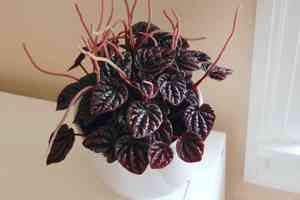
1
Utilize a well-balanced, liquid fertilizer for your potted Emerald Ripple Peperomia to prevent nutrient damage.
2
Nourish your Emerald Ripple Peperomia bi-weekly throughout the summer months to encourage robust development.
3
Observe for indicators of nutrient shortfalls, such as leaf discoloration, signaling a necessity to modify your fertilization routine.
Deciphering Fertilization Requirements for Emerald Ripple Peperomia
Nutrient Essentials: The Fundamentals
The Emerald ripple peperomia prospers with a well-rounded intake of vital nutrients. Nitrogen, phosphorus, and potassium (often denoted as N-P-K) are crucial for its development. Nitrogen promotes luxuriant, verdant foliage, phosphorus is key for root formation, and potassium boosts overall plant vitality. Trace elements like magnesium, calcium, and iron also contribute to maintaining lively, robust leaves.
How Growth Stages Impact Fertilization
Knowing the optimal times to fertilize your Emerald ripple peperomia is essential. During its active growth period in warmer months, the plant absorbs nutrients at its peak. This phase necessitates more frequent nutrient application. Conversely, during the dormant period in winter, the plant's growth decelerates, requiring minimal to no feeding. By aligning your fertilization regimen with the plant’s developmental stages, you can foster vigorous growth and vibrant leaves.
Selecting the Appropriate Fertilizer for Emerald Ripple Peperomia
Fertilizer Varieties: Advantages and Disadvantages
Several fertilizer types are suitable for your Emerald ripple peperomia. Granular fertilizers provide a gradual release of nutrients, while liquid fertilizers offer a rapid nutrient boost. Granular options are excellent for consistent feeding but may require precise measurement to prevent over-application. Liquid fertilizers, conversely, are simpler to control in terms of dosage but demand more frequent administration.
Organic Versus Synthetic Fertilizers: Which is Superior?
Organic fertilizers, derived from natural sources, enhance soil health and deliver a slow, sustained release of nutrients, making them a superb option for long-term plant wellness. However, their nutrient concentration can sometimes be lower than that of synthetic fertilizers, which are chemically engineered for specific nutrient ratios. Synthetic fertilizers yield immediate results and precise nutrient delivery but can potentially harm soil structure and the environment if overused. Adopting a balanced strategy, possibly incorporating both types, can be very advantageous for your Emerald ripple peperomia.
Administering Fertilizer to Emerald Ripple Peperomia
Optimal Fertilization Period
The best time to fertilize your Emerald ripple peperomia is during the summer, its prime growing season. In these warmer months, the plant's metabolic activity and growth rate are elevated, making it the ideal moment to supply extra nutrients. Aim to fertilize every two weeks throughout the summer to ensure it receives all the nourishment needed for vigorous growth.
Step-by-Step Fertilization Method
Here’s a straightforward, step-by-step guide for fertilizing your Emerald ripple peperomia:Select the correct fertilizer: Choose a balanced, water-soluble fertilizer with an equivalent N-P-K ratio.Prepare the solution: Dilute the fertilizer to half the manufacturer's recommended strength to avoid nutrient burn.Pre-water the plant: Ensure the soil is damp before applying fertilizer to prevent root damage.Administer the fertilizer: Carefully pour the diluted fertilizer solution around the plant's base.Maintain a regular schedule: Repeat this procedure bi-weekly during the summer months.
Observing and Adjusting Fertilization
Indicators of Over-Fertilization and Remedial Actions
Excessive fertilization can cause nutrient burn, evidenced by yellowing leaves, stunted development, or wilting. If these symptoms appear, flush the soil by watering thoroughly to remove surplus nutrients. In severe instances, repotting the plant in fresh soil might be necessary. Consistent observation and careful modification of your feeding routine can avert these issues.
When to Reduce Fertilizer Application
During the winter months, the Emerald ripple peperomia enters a period of dormancy, slowing its growth. This is when you should decrease or completely cease fertilization. Over-fertilizing during this phase can be detrimental, leading to nutrient accumulation in the soil. Observing your plant’s growth patterns and adjusting fertilization accordingly ensures its health throughout the year.



