Optimal Fertilizer for Growing Egyptian starcluster: What You Need to Know
1
Supply nutrients to your Egyptian starcluster during the summer to match its most active growth phase.
2
Liquid feeds deliver a rapid surge of nutrients, but take care not to apply too much.
3
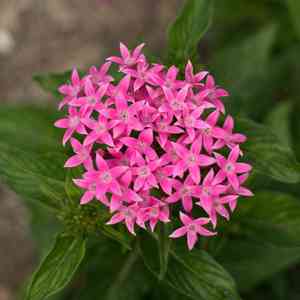
Minor elements such as magnesium and calcium are crucial for sustaining the rich hues of Egyptian starcluster flowers.
Deciphering the Nutritional Requirements of Egyptian Starcluster
The Crucial Role of Nitrogen, Phosphorus, and Potassium
The Egyptian starcluster, a tropical species, flourishes with an optimal balance of essential nutrients. Nitrogen (N) is vital for developing rich, verdant foliage. Phosphorus (P) supports robust root systems and abundant blooms, while Potassium (K) enhances overall plant vitality, including disease resistance. A balanced fertilizer, such as one with a 10-10-10 N-P-K ratio, can be particularly advantageous for this plant.
Minor Elements Beneficial for Egyptian Starcluster
Beyond the primary nutrients, trace elements are equally critical for your Egyptian starcluster's health. Magnesium, for example, is indispensable for photosynthesis and maintaining the plant's vibrant coloration. Iron and calcium also contribute significantly to overall plant well-being by bolstering structural integrity and assisting in nutrient absorption. Incorporating a micronutrient supplement into your feeding routine can yield noticeable improvements.
How Frequently Should Egyptian Starcluster Be Fed?
For optimal development, the Egyptian starcluster should receive fertilizer every two weeks during its active growing period, which occurs in summer. This ensures a steady nutrient supply without risking nutrient toxicity. Adhering to the recommended dosage on your fertilizer product is crucial to prevent over-fertilization.
Selecting the Appropriate Fertilizer for Your Egyptian Starcluster
Man-made Versus Natural Fertilizers
Both synthetic and organic fertilizers offer distinct advantages and disadvantages. Synthetic fertilizers provide readily available nutrients and can be precisely formulated for the specific N-P-K requirements of the Egyptian starcluster. However, excessive application can lead to salt accumulation in the soil. Organic fertilizers, conversely, improve soil structure and foster microbial activity but act more slowly. Depending on your cultivation preferences and soil conditions, a combination of both might be suitable.
What Information to Seek on a Fertilizer Label?
Interpreting a fertilizer label can seem complex, but focusing on key details can simplify the process. Look for the N-P-K ratios clearly displayed on the packaging. For Egyptian starcluster, a balanced formula like 10-10-10, or one slightly favoring phosphorus such as 10-30-10, can encourage blooming. Furthermore, it's beneficial to select products that list trace elements like magnesium, iron, and calcium.
Application Advice for Maximum Uptake
To ensure your Egyptian starcluster fully utilizes the applied fertilizer, water the plant a day before application to ensure the soil is damp but not saturated. This promotes better nutrient absorption and minimizes the risk of root burn. When using liquid fertilizers, apply in the early morning or late evening to reduce evaporation and avoid stressing the plant.
Steps to Nourish Your Egyptian Starcluster
Preparing Your Plant and Soil
Prior to fertilizing, confirm that your Egyptian starcluster is adequately hydrated. This entails thoroughly watering the plant the day before you intend to apply fertilizer. Examine the soil for compaction and consider aerating if necessary to enhance nutrient delivery. Potted plants can benefit from fresh potting mix containing compost to balance nutrient levels.
Applying the Fertilizer: Methods and Timing
Distribute the chosen fertilizer around the plant's base, taking care to avoid direct contact with stems and leaves to prevent scorching. For synthetic fertilizers, adhering to dilution and dosage instructions is paramount. Organic fertilizers should be gently incorporated into the top layer of soil. Fertilize during the cooler parts of the day, such as early morning or late afternoon, to lessen evaporation and reduce plant stress.
Monitoring Development and Adjusting Care
Indicators of a Well-Nourished Egyptian Starcluster
Lush, vibrant foliage with deeply green leaves is a primary sign that your Egyptian starcluster is receiving sufficient nutrition. Additionally, a strong flowering pattern throughout the summer is another positive indicator. Consistent growth and the absence of yellowing or wilting serve as good metrics for assessing overall plant health.
Addressing Common Issues
Excessive fertilization can result in leaf scorching, stunted growth, and a buildup of salts in the soil. If these symptoms appear, drench the soil with ample water to help flush out surplus nutrients. Conversely, under-fertilized plants may exhibit symptoms such as pale foliage and diminished flowering. Adjust your fertilization schedule and consider a soil test to better understand any nutrient deficiencies.



