Optimal Fertilizer for Growing Empress tree: What You Need to Know
1
Apply fertilizer to your Empress tree in early spring to initiate its annual growth.
2
Employ a well-balanced 10-10-10 fertilizer to supply essential nutrients to your Empress tree.
3
Refrain from applying fertilizers rich in nitrogen, as this may promote foliage development over bloom production.
Deciphering the Nutritional Requirements of Empress Tree
What Essential Nutrients Does Empress Tree Need?
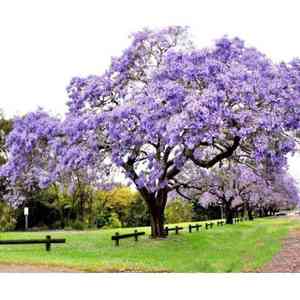
The Empress tree, a rapid-growing ornamental species known for its expansive leaves and striking purple blooms, thrives on a balanced nutrient blend. Its primary nutritional demands include Nitrogen (N), Phosphorous (P), and Potassium (K). Nitrogen is vital for foliage development, phosphorus promotes robust root systems, and potassium enhances overall plant vitality and disease resistance.
Indicators of Nutrient Scarcity in Empress Tree
Spotting nutrient deficiencies early can prevent severe harm to your Empress tree. Common symptoms involve discolored leaves, stunted development, and sparse flowering. If leaves yellow while their veins remain green, it points to a nitrogen deficit. Purple-tinged leaf edges might signal a lack of phosphorus, whereas curled leaves and browned tips can indicate insufficient potassium.
Selecting the Appropriate Fertilizer for Empress Tree
Fertilizer Varieties: Which is Optimal?
A range of fertilizers is available, each designed for specific plant requirements. For the Empress tree, a balanced 10-10-10 formulation is highly recommended. This type guarantees an even distribution of nitrogen, phosphorus, and potassium, fostering balanced development. Slow-release fertilizers are also a good option, providing a consistent nutrient supply over time.
Organic Versus Synthetic Fertilizers for Empress Tree
Both organic and synthetic fertilizers offer distinct advantages and disadvantages. Organic options, such as compost and well-rotted manure, improve soil structure and health while releasing nutrients gradually. Synthetic fertilizers, conversely, provide precise nutrient ratios and faster results. For the Empress tree, a combined approach can be beneficial—using organic fertilizers in autumn to enrich soil health and synthetic ones in spring for an immediate nutrient boost.
Best Practices for Fertilizing Empress Tree
When to Fertilize Empress Tree
Timing is paramount when fertilizing your Empress tree. The ideal period is early spring, just as new growth emerges. This ensures the tree receives the necessary nutrients to support vigorous development throughout the growing season. Refrain from fertilizing in late summer or fall, as this can stimulate new growth that may not toughen before winter.
How to Administer Fertilizer to Empress Tree
Correct fertilizer application is essential for your Empress tree's health. Begin by spreading the fertilizer uniformly around the tree's drip line—the area directly beneath its outermost branches. This method allows roots to readily absorb the nutrients. Water the area thoroughly after application to help dissolve the fertilizer and transport it to the roots. For liquid fertilizers, adhere to the manufacturer's guidelines regarding dilution and application rates.
Frequent Fertilizing Errors to Avoid with Empress Tree
Excessive Fertilization: Risks and Outcomes
While it may be tempting to use more fertilizer for quicker growth, over-fertilization can be detrimental. Surplus amounts of nutrients, especially nitrogen, can result in abundant foliage but weak, vulnerable stems. It can also cause root burn, leading to damage and reduced capacity to absorb water and nutrients. Always adhere to the recommended dosage to prevent over-fertilization.
Insufficient Fertilization: Recognizing an Underfed Empress Tree
Under-fertilizing your Empress tree can lead to poor development and diminished flowering. Signs of an underfed tree include pale or yellowish leaves, slow growth, and sparse foliage. Regular monitoring of the tree's condition and vigilance for these indicators can help you adjust the fertilization schedule to ensure your tree remains healthy and vibrant.



