Optimal Fertilizer for Growing Maypop: What You Need to Know
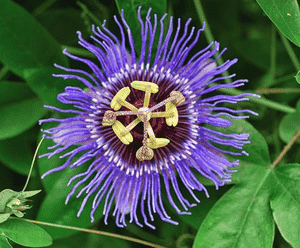
1
Maypop flourishes in soil that drains effectively, with a pH range of 6.0 to 7.5.
2
A 10-10-10 NPK fertilizer, balanced in nutrients, is suitable for general Maypop vitality.
3
Fertilize in the early spring to encourage robust development and bloom production.
Understanding Maypop's Nutritional Requirements
Key Nutrients for Maypop
Maypop, also known as passionflower, needs various nutrients to flourish. These include vital macronutrients such as nitrogen (N), phosphorus (P), and potassium (K), along with several micronutrients like iron, zinc, and manganese. Each nutrient is crucial for the plant's overall health and its ability to produce beautiful blooms and fruit.
Macronutrients' Role in Maypop Development
Macronutrients are essential for Maypop's vigorous growth. Nitrogen supports leaf and stem development, phosphorus promotes root and flower formation, and potassium enhances general plant health and disease resistance. When these macronutrients are properly balanced, your Maypop will exhibit lush foliage and abundant flowers.
Micronutrients' Importance for Healthy Maypop Growth
While macronutrients are vital, the importance of micronutrients should not be underestimated. Micronutrients such as iron, manganese, and zinc, though required in smaller amounts, are critical for various physiological processes, including chlorophyll production and enzyme activation. Ensuring your Maypop receives sufficient micronutrients will result in a healthier and more resilient plant.
Selecting the Appropriate Fertilizer for Maypop
Organic vs. Synthetic Fertilizers
When choosing a fertilizer for Maypop, you can opt for organic or synthetic varieties. Organic fertilizers, like compost or aged manure, release nutrients slowly and improve soil structure. Synthetic fertilizers, conversely, offer a rapid nutrient boost and are formulated for precise nutrient ratios. Both have benefits, and the best choice depends on your gardening preferences and soil conditions.
Recommended NPK Ratios for Maypop
For optimal growth, a balanced NPK ratio such as 10-10-10 is generally effective for Maypop. This ratio provides equal amounts of nitrogen, phosphorus, and potassium, supporting overall plant health. If soil tests reveal specific nutrient deficiencies, you might need to adjust the ratio. Always follow the fertilizer manufacturer's instructions to prevent overapplication.
Optimal Fertilization Practices for Maypop
When to Fertilize Maypop
The ideal time to fertilize Maypop is in early spring, as new growth emerges. This timing allows the plant to absorb nutrients at the start of its growth cycle, leading to robust growth and prolific flowering throughout the season. A second application in midsummer can support continued blooming and fruiting.
Fertilizer Application Frequency
Fertilization frequency depends on the fertilizer type. Organic fertilizers typically require less frequent applicationâabout once or twice per growing season. Synthetic fertilizers may need more regular applications, every 4-6 weeks during the growing season. Monitor your Maypop's health and adjust the frequency as needed.
Methods for Applying Fertilizer to Maypop
There are several ways to apply fertilizer to Maypop. For granular organic or synthetic fertilizers, spread them evenly around the plant's base, avoiding direct contact with stems. Water thoroughly afterward to help nutrients penetrate the soil. Liquid fertilizers can be diluted per manufacturer's instructions and applied directly to the soil or as a foliar spray for rapid absorption.
Addressing Common Fertilization Issues with Maypop
Signs and Solutions for Overfertilization
Overfertilization can harm Maypop, causing symptoms like yellowing leaves, scorched leaf edges, or stunted growth. If overfertilization is suspected, flush the soil by thoroughly watering the area to remove excess nutrients. Adjust future fertilizer applications to lower amounts and frequency to prevent recurrence.
Detecting Nutrient Deficiencies in Maypop
Nutrient deficiencies in Maypop can appear as various symptoms: yellowing or pale leaves might indicate nitrogen deficiency, while poor flowering and weak growth could suggest phosphorus deficiency. Micronutrient deficiencies like iron may cause interveinal chlorosis (yellowing between leaf veins). Perform a soil test to accurately diagnose and correct any nutrient deficiencies.
Environmental Factors' Impact on Fertilization
Soil Type's Influence on Fertilizer Choices
Soil type significantly affects fertilizer choices for Maypop. Sandy soils drain quickly and may need more frequent fertilization, while clay soils retain nutrients longer and require less frequent applications. Amending your soil with organic matter can improve its texture and nutrient-holding capacity, providing a more stable environment for Maypop growth.
How Weather Affects Fertilizer Effectiveness
Weather conditions play a crucial role in fertilizer efficacy. Heavy rainfall can wash away nutrients before plants can absorb them, while drought conditions can limit nutrient uptake due to water stress. Apply fertilizers when weather is stable, and ensure plants receive adequate but not excessive water to maximize nutrient absorption and overall growth.



