Optimal Fertilizer for Growing Blue passionflower: What You Need to Know
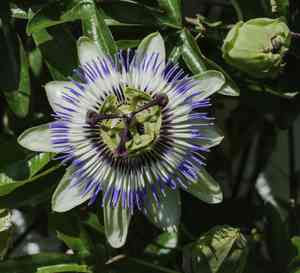
1
For optimal health, the Blue passionflower benefits from a balanced plant food applied during its primary growth period in spring.
2
Observe your Blue passionflower for indications of nutritional shortcomings, such as leaf discoloration or diminished development, to assess its need for more nutrients.
3
Excessive fertilization can be as detrimental as insufficient feeding. Always adhere to the dosage instructions provided on your fertilizer product.
Deciphering the Fertilization Requirements of Blue passionflower
Crucial Nutrients for Blue passionflower
Just like any other flora, the Blue passionflower, Passiflora caerulea, demands a particular array of nutrients to flourish. The primary macronutrients include nitrogen (N), phosphorus (P), and potassium (K). Nitrogen is vital for foliage growth, phosphorus promotes root development and blooming, while potassium enhances overall plant vigor and disease resistance. Furthermore, secondary elements like calcium, magnesium, and sulfur play key roles in the plant's physiological functions. A well-balanced fertilizer typically contains these indispensable nutrients in appropriate ratios to encourage robust growth and flowering.
Indicators of Nutrient Scarcities in Blue passionflower
Recognizing the signs of nutrient deficiencies can help you take prompt action and ensure your Blue passionflower stays healthy. Common indications include yellowing foliage, which can signify a lack of nitrogen, and poor blooming or root development, potentially indicating insufficient phosphorus. If the leaf edges turn brown or appear scorched, your plant might be experiencing a potassium deficiency. Addressing these scarcities swiftly by modifying your fertilization strategy is essential for the overall health of your Blue passionflower.
Selecting the Appropriate Fertilizer for Blue passionflower
Fertilizer Varieties: Advantages and Disadvantages
Choosing the correct type of fertilizer can significantly impact your Blue passionflower's development. Generally, fertilizers can be categorized into granular, liquid, and slow-release forms. Granular fertilizers are simple to apply and offer a steady nutrient supply, but they might require more frequent applications. Liquid fertilizers provide rapid absorption and are excellent for immediate nutrient correction but can wash away if not applied carefully. Slow-release fertilizers deliver a continuous nutrient supply over an extended period, making them low-maintenance and efficient. Each type has its own set of merits and drawbacks, so consider your specific needs and the plant’s demands when making your selection.
Natural vs. Chemical Fertilizers for Blue passionflower
When deciding between organic and synthetic fertilizers, it’s crucial to evaluate the benefits and drawbacks of each. Organic fertilizers, such as compost, manure, or bone meal, improve soil structure and microorganism health while offering a gradual release of nutrients. However, their nutrient content can be less predictable and slower to act. Synthetic fertilizers, conversely, provide an immediate nutrient boost with precise nutrient ratios but may not enhance soil health over time and can lead to nutrient accumulation with overuse. It’s often advantageous to use a blend of both to optimize the health and growth of your Blue passionflower.
Applying Fertilizer to Blue passionflower
Optimal Fertilization Times for Blue passionflower
The best period to fertilize your Blue passionflower is during its active growth phase in spring. This is when the plant begins to produce new growth and prepares for flowering. Applying fertilizer at this juncture ensures that your plant has the necessary nutrients to support vigorous development and blooming. Refrain from fertilizing during the dormant winter period as the plant’s nutrient uptake is minimal, and excess fertilizer can accumulate in the soil.
Method of Fertilizer Application for Optimal Absorption
To ensure efficient fertilizer absorption, follow these instructions: First, generously water your plant before applying fertilizer to prevent root burn. Second, distribute the fertilizer evenly around the base of the plant, keeping it several inches away from the stem. This helps prevent direct contact with the roots, which can cause damage. If using liquid fertilizers, mix them with water according to the package instructions and apply them directly to the soil. For granular fertilizer, gently rake it into the top few centimeters (inches) of soil and water it in to help dissolve the nutrients. Consistently follow up with watering to aid nutrient uptake.
Monitoring Blue passionflower Health After Fertilization
Observing Shifts in Growth and Development
Following fertilization, observe your Blue passionflower for indications of improved growth and vitality. Look for vibrant, green foliage, robust new growth, and prolific blooming. These are positive signals that the plant is effectively absorbing the nutrients. Conversely, watch for signs of over-fertilization, such as scorched leaves or excessive salt deposits on the soil surface. Adjust your fertilization regimen if you notice any adverse effects.
Modifying Fertilization Routine Based on Plant's Reaction
Your plant's response to fertilization will guide you in refining your approach. If the plant exhibits strong growth and health improvements, you are on the correct path. However, if there are signs of nutrient deficiencies or over-fertilization, adjust the type, quantity, and frequency of your fertilizer application accordingly. Regular soil analysis can also offer insights into nutrient imbalances and help you create a more customized fertilization plan for your Blue passionflower, ensuring it remains in peak condition.



