Optimal Fertilizer for Growing Oriental poppy: What You Need to Know
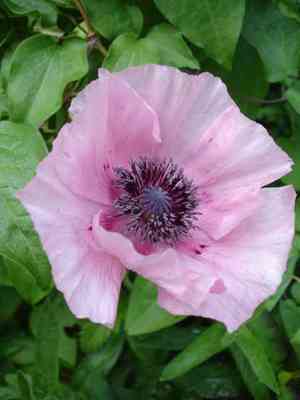
1
Oriental poppy flourishes in soil that drains effectively and may struggle in excessively moist environments.
2
A 10-10-10 balanced plant food is perfect for Oriental poppy to encourage robust leaves and vivid flowers.
3
Ensure your Oriental poppy is watered prior to applying any plant food to avoid scorching the roots.
Understanding the Nutritional Requirements of Oriental poppy
Essential Nutrients for Oriental poppy
For optimal growth, Oriental poppy requires a balanced blend of vital nutrients. Primarily, these include nitrogen (N), phosphorus (P), and potassium (K). Nitrogen is vital for robust leaf development, phosphorus aids in strong root formation and abundant flower production, while potassium enhances resilience and disease resistance. Trace elements such as magnesium, calcium, and iron also contribute to the plant's overall well-being.
Indicators of Nutrient Deficiencies
Nutrient deficiencies in Oriental poppy present in various ways. Discolored, yellowing leaves might signal a nitrogen shortage, whereas sparse blooming could indicate insufficient phosphorus. Stunted development and weak stems may suggest a need for more potassium. Watch for these signs to determine if your plant lacks nutrients and requires intervention.
Selecting the Appropriate Fertilizer for Oriental poppy
Fertilizer Types: Organic vs. Synthetic
When choosing fertilizers, you have two primary options: organic and synthetic. Organic fertilizers, like compost or manure, originate from natural sources and gradually improve soil structure. They release nutrients slowly, minimizing the risk of plant damage. Synthetic fertilizers, conversely, provide a rapid nutrient boost and are often tailored for specific plant needs. However, they can lead to nutrient runoff and might necessitate more frequent application.
Optimal Fertilizer Formulations for Flowering Plants
For abundant blooms, Oriental poppy benefits from fertilizers designed for flowering plants. A balanced formula, such as a 10-10-10 NPK ratio, works well, supplying an equal mix of nitrogen, phosphorus, and potassium. For organic choices, consider bone meal for phosphorus and compost to provide a slow-release blend of essential nutrients.
When and How to Fertilize Oriental poppy
Ideal Time of Year for Fertilization
Spring is the best season to fertilize Oriental poppy. As the plant emerges from dormancy and prepares for growth, the soil begins to warm, creating the perfect conditions for nutrient uptake. An early spring application ensures the plant has access to necessary nutrients during its most crucial growth phases.
Step-by-Step Fertilization Methods
Fertilizing Oriental poppy is straightforward:Step 1:Thoroughly water the plants a day prior to fertilization. This prepares the roots to absorb nutrients without the risk of fertilizer burn.Step 2:Apply the chosen fertilizer around the plant's base, being careful to avoid contact with the foliage. For granular types, use approximately 1/2 cup (120 ml) per plant; for liquid fertilizers, follow product instructions for dilution and apply to the soil.Step 3:Gently rake the fertilizer into the soil surface to ensure even distribution.Step 4:Water the soil again to help dissolve the fertilizer and facilitate nutrient absorption.
Maintaining Oriental poppy Health After Fertilization
Monitoring Plant Response to Fertilization
After fertilizing, observe your Oriental poppy for signs of improvement or distress. Robust growth, vibrant blooms, and rich green foliage indicate successful fertilization. However, symptoms like yellowing leaves or poor flowering might suggest over-fertilization or specific nutrient imbalances. Adjust your care routine accordingly and, if necessary, conduct a soil test to identify and resolve any persistent issues.
Routine Care Advice After Fertilizing
Post-fertilization, continue to care for your Oriental poppy with consistent watering, ensuring the soil remains uniformly moist but well-drained. Mulching around the base can help retain moisture and suppress weeds. Deadhead spent flowers to encourage further blooming and remove any yellowing or damaged foliage to maintain plant health. With this routine care, your Oriental poppy will flourish, gracing your garden with its stunning blooms.



